Japanese Cleaning Motivation
Introduction to Japanese Tidying Philosophies
More Than Tidying
In Japan, tidying is often viewed as more than just a chore. It’s a practice in mindfulness, a way to create harmony in your living space and in your mind. This approach isn't about achieving a sterile, perfect home, but about creating an environment that supports your well-being. It’s a philosophy rooted in cultural and spiritual traditions that value simplicity, order, and a deep respect for the objects we own.
Cleaning according to Japanese Zen Buddhist principles can transform the act from a chore into a mindful practice.
Two modern philosophies bring these ideas to life: the KonMari Method and Danshari. Both offer a path to not just a cleaner home, but a clearer mind.
The KonMari Method
Marie Kondo’s KonMari Method became a global phenomenon for a simple reason: it reframes tidying from a task of removal to an act of selection. Instead of looking for things to get rid of, you actively choose what to keep. The entire process is guided by one simple question you ask of each item you own.
Does it spark joy?
If the answer is a wholehearted yes, you keep it. If not, you thank the item for its service and let it go. This simple test shifts your focus to gratitude and positivity. It forces you to connect with your belongings and consider the role they play in your life.
Another key principle of KonMari is to tidy by category, not by location. Instead of cleaning the bedroom, then the living room, you tackle all of your clothes at once, then all your books, and so on. This prevents you from simply shuffling clutter from one room to another and allows you to see the true volume of what you own.

The Danshari Approach
While KonMari is about choosing joy, Danshari, developed by Hideko Yamashita, is about the art of letting go. It draws on yogic and Zen principles to help you detach from material possessions. The name itself is a guide to the process.
Refuse, Dispose, Separate
Danshari is composed of three characters, each representing a core action in the tidying process.
| Character | Action | Meaning |
|---|---|---|
| 断 (dan) | Refuse | Stop accepting things you don't need. |
| 捨 (sha) | Dispose | Get rid of the clutter you already have. |
| 離 (ri) | Separate | Detach from the desire for things. |
This philosophy encourages you to focus on your relationship with your things, not on the things themselves. It asks you to consider what you need right now, rather than holding onto items for a hypothetical future or out of attachment to the past. It's less about cleaning and more about clearing your life of excess to make room for what truly matters.

Cultural Foundations
These philosophies didn't emerge in a vacuum. They are deeply connected to Japanese culture, particularly the principles of Shinto and Zen Buddhism. Shintoism emphasizes purity and order, believing that a clean space is a sacred one. Zen Buddhism values simplicity, mindfulness, and living in the present moment.
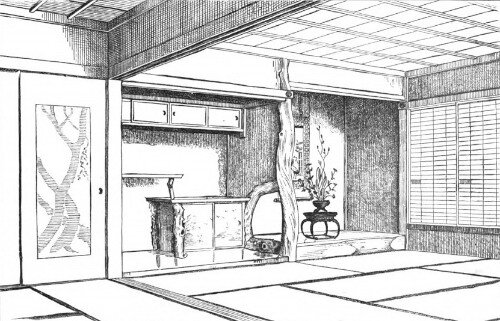
This is reflected in traditional Japanese aesthetics, from architecture to art. Spaces are often uncluttered, allowing for an appreciation of simple beauty and function. The act of tidying, therefore, becomes a form of meditation—a way to restore order both externally in the home and internally in the mind.
By embracing these mindsets, tidying transforms from a dreaded chore into a powerful and motivating practice for self-improvement.
Ready to check your understanding?
What is the central question someone should ask themselves about an item when using the KonMari Method?
The philosophy of Danshari focuses on the art of letting go. What does the 'Dan' character in Danshari represent?
Both KonMari and Danshari provide a framework for viewing our possessions and our homes in a new light. They teach us that organization is not the goal, but a tool for creating a more intentional and joyful life.