Japanese Cleaning Methods Souji
Introduction to Souji
More Than Just Cleaning
In Japan, cleaning isn't just a chore. It's a practice, a discipline, and a cultural tradition known as souji.
Cleaning
On the surface, souji means to clean. But its meaning runs much deeper. It's about purifying a space, both physically and spiritually. This isn't about scrubbing floors until they shine, but about cultivating a state of mindfulness and respect for your environment. The act of cleaning is seen as a way to clear the mind and polish the heart.
A clean space fosters a clear mind. The state of your environment is seen as a reflection of your inner state.
Spiritual Roots
The cultural significance of souji has deep roots in Japan's main spiritual traditions: Zen Buddhism and Shintoism. Zen monks have long practiced daily cleaning as a form of moving meditation. For them, sweeping the temple grounds is as important as sitting in meditation. The focus is on the act itself, not just the outcome. It's a way to practice mindfulness and cultivate discipline.
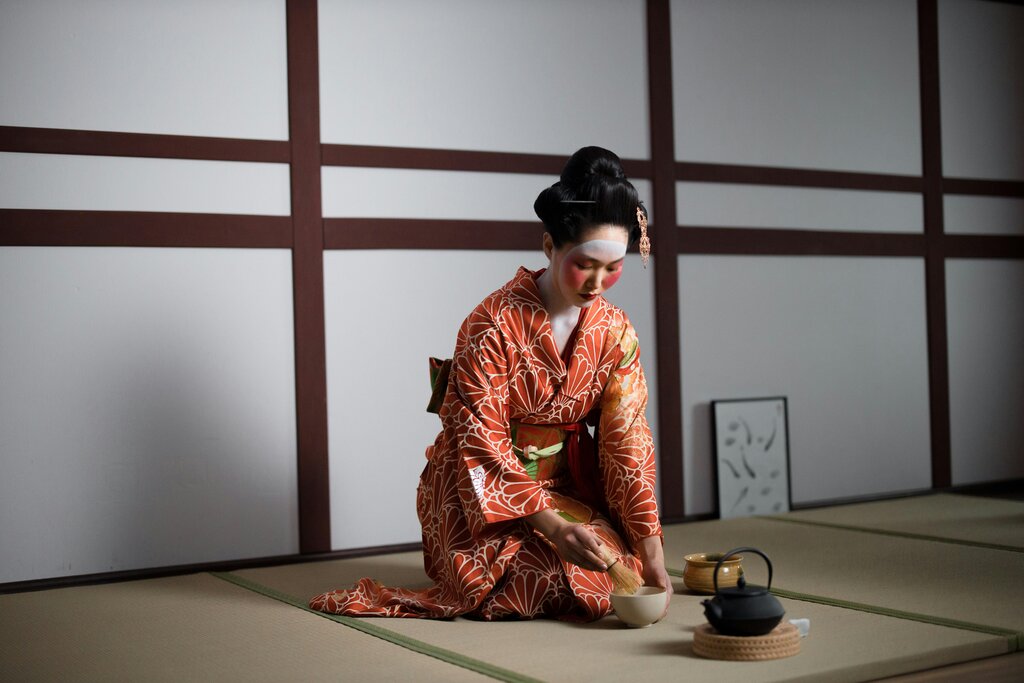
Shintoism, an indigenous Japanese religion, emphasizes purity and cleanliness. Shrines are meticulously maintained, and purification rituals are central to worship. This belief that clean spaces are sacred has permeated Japanese culture, elevating the simple act of cleaning to a spiritual practice. This mindset transforms a mundane task into a respected ritual.
A Daily Practice
The principles of souji are woven into the fabric of daily life in Japan, starting from a young age. One of the most well-known examples is in schools. At the end of each day, students don't just pack their bags and leave. Instead, they take out brooms, rags, and dustpans and clean their own classrooms, hallways, and even bathrooms. There are often no janitors.
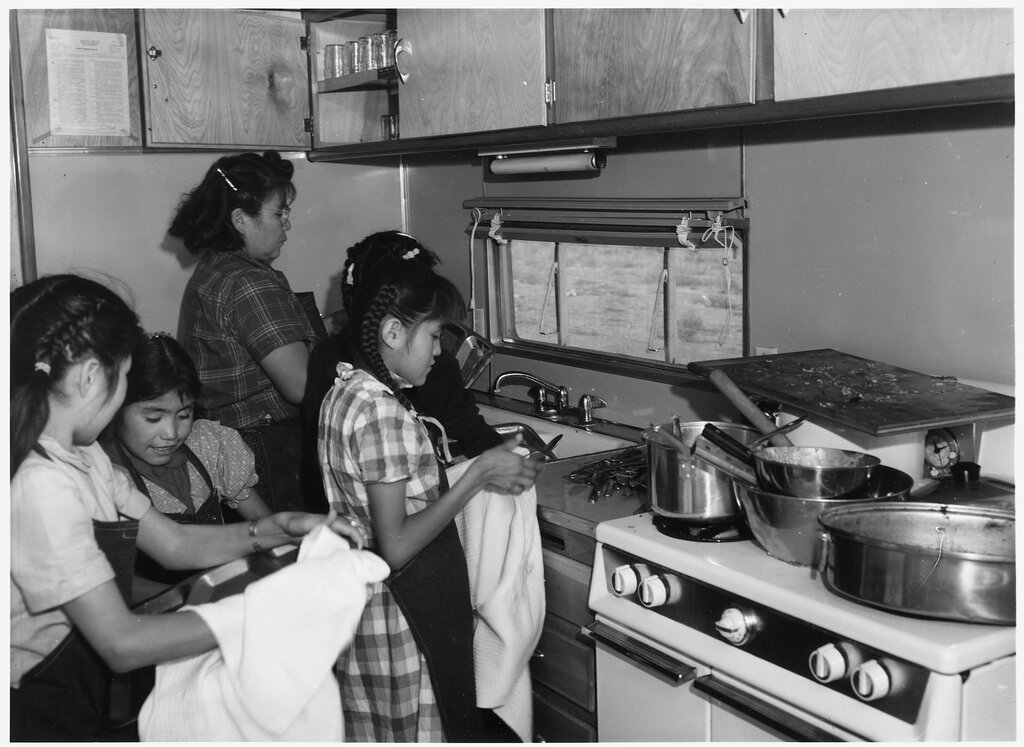
This isn't done to save money. It's an essential part of the curriculum, designed to teach students responsibility, teamwork, and respect for their surroundings. By caring for their shared space, they learn to be more mindful of the mess they create and to appreciate the effort that goes into maintaining order.
This practice extends beyond school. Many office workers start their day by tidying their desks and the surrounding area. At home, there's a tradition called oosouji (大掃除), or "big cleaning," where the entire family works together to deep clean the house at the end of the year to welcome the new year with a fresh, purified space.
Through souji, cleaning becomes an act of community and a shared responsibility, not just an individual burden.
Now that you understand the philosophy behind souji, let's review the main idea.
Ready to test your knowledge?
What is the primary philosophy behind the Japanese practice of souji?
The cultural roots of souji are deeply connected to which two spiritual traditions?
Souji provides a foundation for understanding the Japanese approach to order and mindfulness. It shows how an everyday task can become a meaningful practice.