Japanese Car Cleaning Mastery
Introduction to Japanese Car Cleaning Philosophy
More Than Just a Wash
In many parts of the world, washing the car is a weekend chore. In Japan, it's often something more: a practice rooted in cultural values of cleanliness, order, and respect. This isn't just about removing dirt. It's about maintaining an object with care and precision, reflecting a philosophy that extends to many aspects of Japanese life.
The importance of cleanliness is visible everywhere in Japan, from immaculate public spaces to the careful presentation of food. This mindset naturally applies to personal belongings, especially significant ones like a car. A vehicle is not just a tool for transportation; it’s an extension of one's personal space and a reflection of the owner's character.
The Aesthetics of Clean
Japanese aesthetics play a huge role in the approach to car care. One key concept is kirei, a word that doesn't just mean clean, but also beautiful, neat, and orderly. When something is kirei, it is in a state of pleasing harmony. A car that is perfectly clean, with a glossy, reflective finish and an organized interior, embodies this ideal.
kirei
adjective
A Japanese word meaning clean, beautiful, pretty, and orderly. It describes a state of being that is both aesthetically pleasing and tidy.
This principle drives the incredible attention to detail seen in Japanese car cleaning. It’s not enough for the car to look clean from a distance. Every surface, from the wheel wells to the engine bay, is considered. The goal is to restore the vehicle to a state of pristine beauty, almost as if it just left the factory.
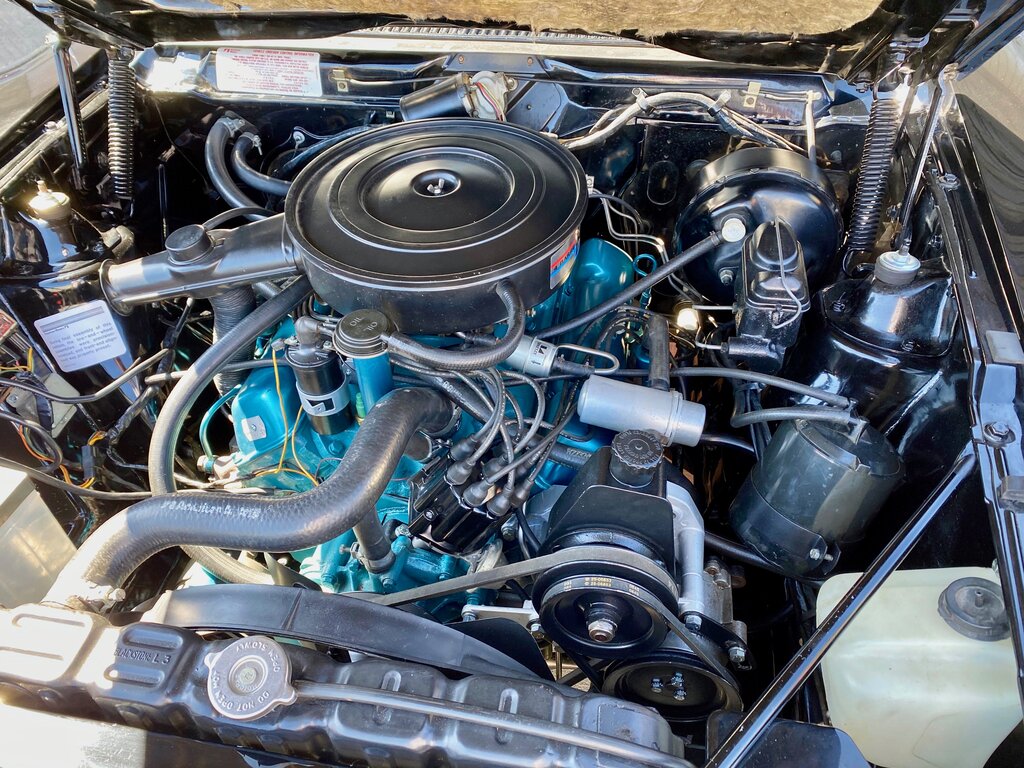
This isn't about flashy modifications. It's about honoring the car's original design through meticulous preservation. The shine on the paint, the clarity of the glass, and the cleanliness of the interior are all part of a cohesive, beautiful whole. It's a quiet expression of pride and respect for the craftsmanship of the vehicle.
A Reflection of Self
Ultimately, the state of one’s car is seen as a direct reflection of oneself. A dirty, cluttered, or neglected car might suggest a disorganized or inconsiderate owner. Conversely, a spotless vehicle signals discipline, responsibility, and a respect for both personal property and the community.
Taking the time to clean your car is a mindful act. The focus and patience required are valued traits, and the pristine result is a source of personal satisfaction.
This attitude is also about consideration for others. Driving a clean car is a non-verbal way of showing respect for the society you are a part of. It contributes to a shared environment of order and care. The process itself—the methodical washing, polishing, and detailing—becomes a ritual of focus and precision.

This philosophy elevates car care from a simple task to a meaningful practice. It's a blend of aesthetic appreciation, personal pride, and social consciousness that turns a routine wash into an art form.