Japanese Art and Tattoo Traditions
Introduction to Japanese Art
Ancient Roots
Long before written history, Japan's earliest inhabitants were creating distinctive pottery. During the Jōmon period, which began around 10,000 BCE, people crafted earthenware vessels by hand from clay. These weren't just simple pots for storage.
They are famous for their intricate patterns, created by pressing cords and ropes into the wet clay before firing. This technique gave the period its name: Jōmon means "cord-marked." Some of the most dramatic examples are the "flame-style" pots, with wild, sculptural rims that look like fire reaching for the sky. These creations show a sophisticated artistic sensibility, moving beyond pure function.
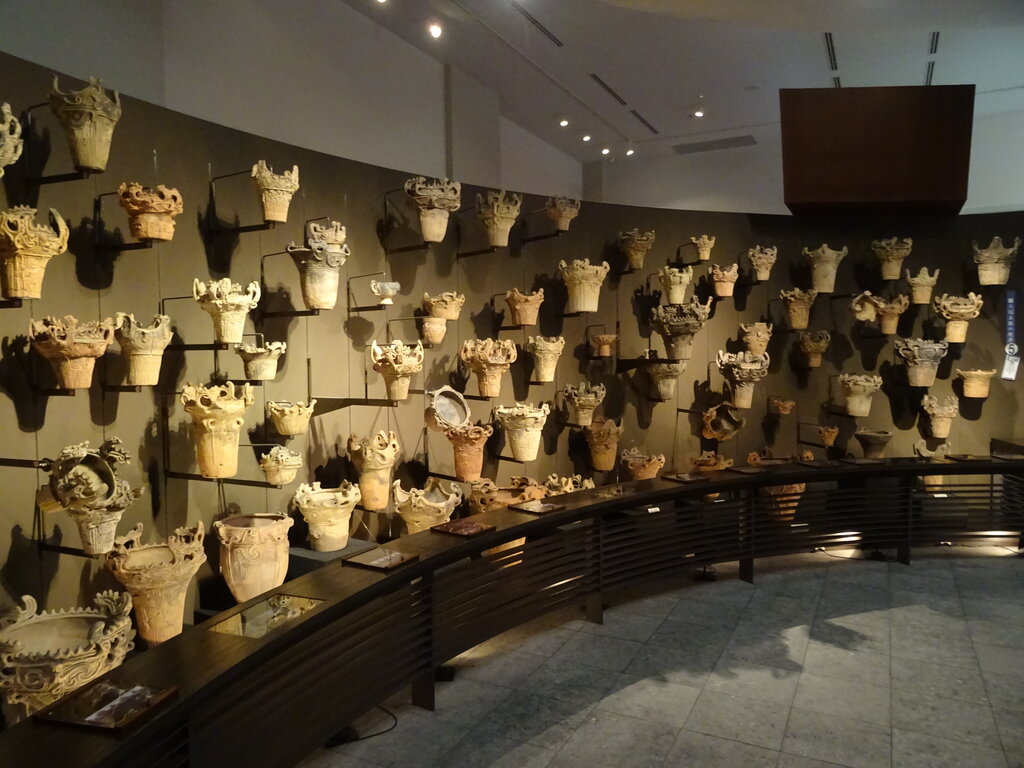
This long era of indigenous art set the stage for Japan's next major artistic chapter, which would arrive from across the sea.
The Buddha's Influence
Around the 6th century, a powerful new influence arrived from mainland Asia: Buddhism. Traveling through China and Korea, it brought not only a new religion but a whole new world of art. Grand temples made of wood were built, housing magnificent sculptures of Buddhas and other deities, often cast in bronze or carved from wood.
Paintings on scrolls and temple walls depicted religious stories and concepts. This art was formal, symbolic, and focused on spiritual ideas, a significant shift from the Jōmon period's earthy, abstract forms. The goal was to inspire devotion and teach complex doctrines through powerful imagery. Japanese artists quickly absorbed these new techniques and styles, adding their own subtle interpretations.
This infusion of Buddhist art established a classical tradition that would influence Japanese aesthetics for centuries to come, emphasizing balance, grace, and spiritual depth.
Pictures of the Floating World
Fast forward to the Edo period (1603–1868), when Japan was largely closed off from the outside world. Inside, cities like Edo (modern-day Tokyo) were thriving. A new merchant class had money and leisure time, and they wanted art that reflected their own lives and interests, not just the gods and nobles of the past.
This demand gave rise to ukiyo-e, which translates to "pictures of the floating world." These were woodblock prints, a form of mass production that made art affordable for ordinary people. Artists created vibrant scenes of city life: beautiful courtesans, famous kabuki actors, scenic landscapes, and moments from popular stories. Ukiyo-e was the popular culture of its day.
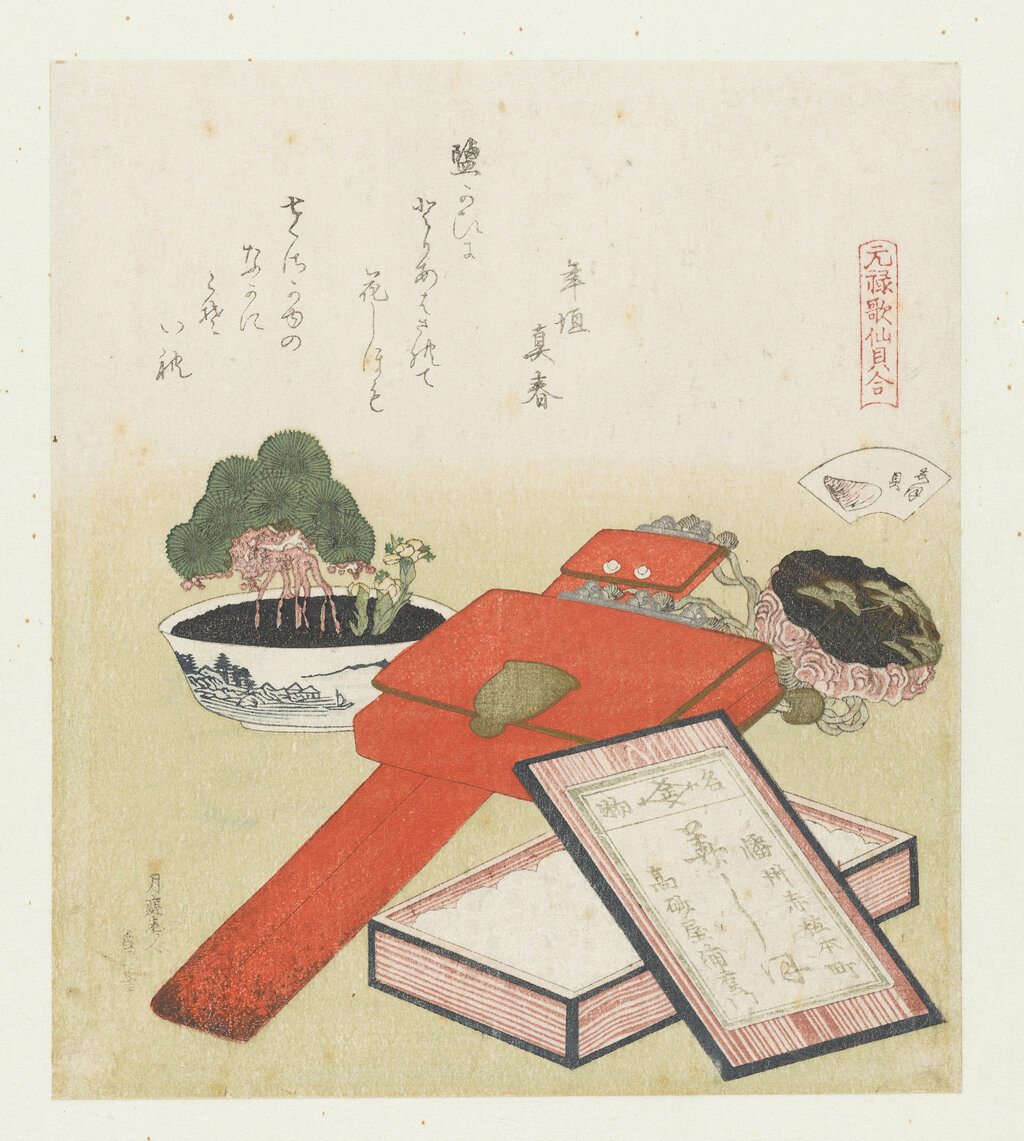
When Japan reopened to the world in the mid-19th century, these prints fascinated Western artists like Van Gogh and Monet, and their bold compositions and flat colors had a major impact on the development of modern art in Europe.
The Art of the Brush
Two of Japan's most revered art forms rely on the same simple tools: a brush, ink, and paper or silk. These are painting and calligraphy.
Traditional Japanese painting developed several distinct styles. Yamato-e ("Japanese painting") focused on native subjects, often telling stories on long handscrolls with bright, flat colors. In contrast, ink wash painting, influenced by Chinese Zen Buddhism, used monochrome ink to create evocative landscapes with minimal, expressive brushstrokes.
calligraphy
noun
The art of producing decorative handwriting or lettering with a pen or brush.
Calligraphy, or shodō ("the way of writing"), is more than just beautiful handwriting. It's a spiritual practice. Each stroke is a moment of focused energy, reflecting the calligrapher's state of mind. The balance, rhythm, and flow of the characters are just as important as their meaning.
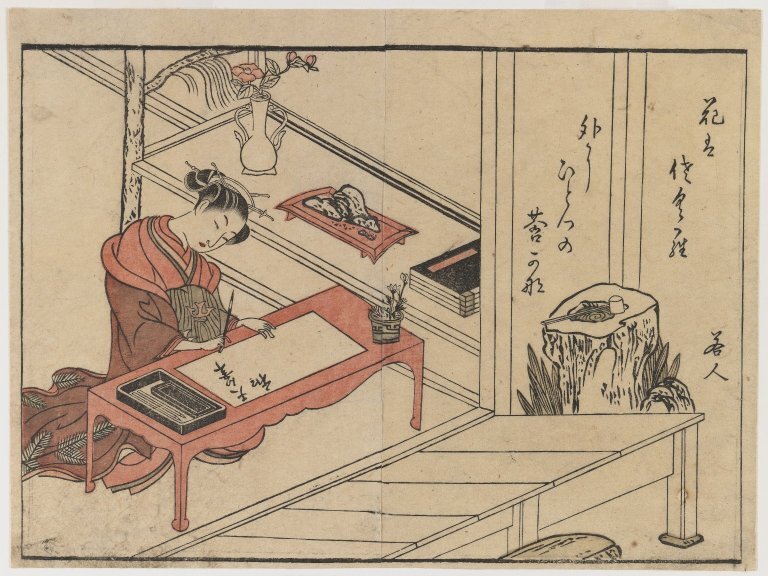
From the bold, dynamic lettering on a temple sign to the delicate poetry on a scroll, calligraphy is a fundamental part of Japan's visual culture.
Let's review some of the key ideas from this overview.
Ready to test your knowledge?
What is the defining characteristic of Jōmon period pottery that gives the era its name?
Buddhist art and architecture were introduced to Japan directly from India around the 6th century.
The story of Japanese art is one of constant evolution, a dialogue between its own deep-rooted traditions and transformative ideas from abroad. This dynamic interplay continues to shape the vibrant art scene in Japan today.