Jane Austen Life and Novels Explored
Historical Context
An Age of Elegance and Upheaval
Jane Austen lived and wrote during a dynamic period in British history known as the Georgian era, which spanned from 1714 to 1830. This was a time of immense contrast. On one hand, it was an age of reason and enlightenment, marked by artistic refinement, architectural grandeur, and intellectual progress. On the other, it was an era of social unrest, political instability, and burgeoning industrial change that would reshape the nation.
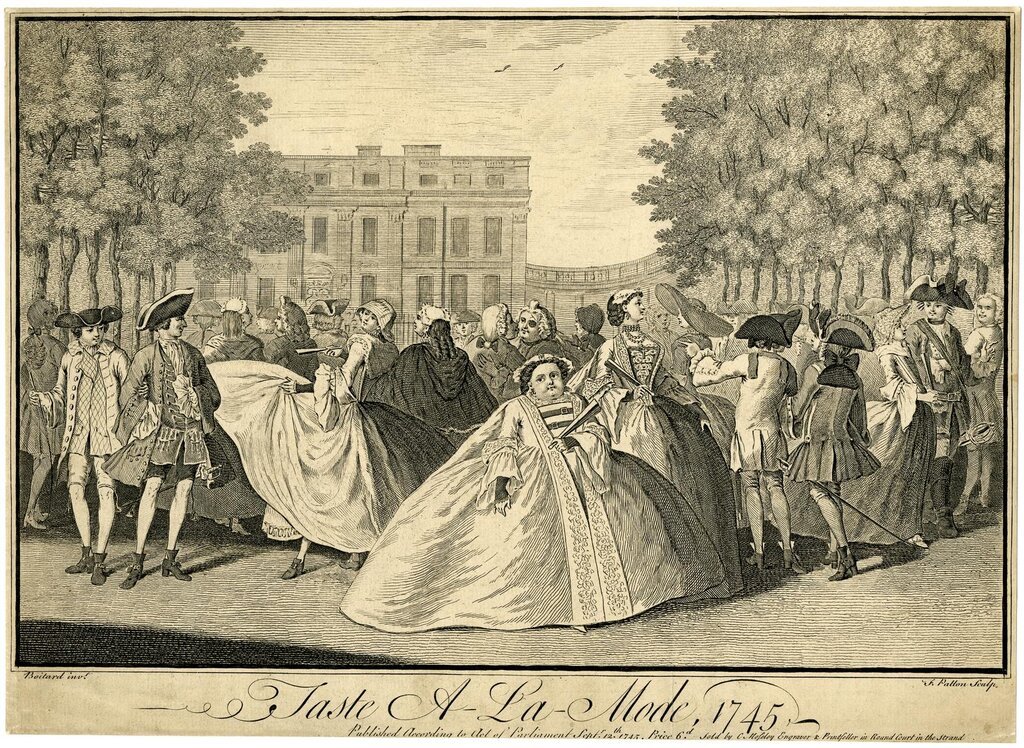
Austen's most productive years fall within a specific slice of this period called the Regency. Officially lasting from 1811 to 1820, this decade was named for the Prince Regent, who ruled in place of his mentally ill father, King George III. The Regency is often remembered for its distinct style and culture. It was a time of high fashion, exemplified by the classical, high-waisted dresses seen in adaptations of Austen's novels, and a focus on refined manners and social accomplishments. Yet, beneath this polished surface, society was grappling with the pressures of war with France and significant economic inequality at home.
The Regency was a short but dazzling era, setting the stage for much of the 19th century's social and cultural developments.
A Society of Ranks
Social class was the bedrock of Georgian society. It was a rigid hierarchy that determined a person's opportunities, lifestyle, and even who they could marry. Your place in this structure was almost always determined by birth and family connections.
At the very top was the aristocracy, consisting of titled nobles who owned vast estates and held immense political power. Below them was the landed gentry, a class to which many of Austen's characters belong. These were families who owned land and lived off rental income, affording them a life of leisure. While they didn't have titles, their property and lineage gave them considerable status.
Beneath the gentry was a growing middle class of professionals like clergymen, lawyers, and naval officers, as well as successful merchants. This group was gaining wealth and influence, sometimes blurring the lines between them and the lower gentry. The vast majority of the population, however, belonged to the working classes, who labored as tenant farmers, servants, and factory workers with few rights or prospects for advancement.
The lines between these classes were sharply drawn. Marriage was often a strategic alliance to preserve or improve a family's social standing and wealth, rather than a matter of personal affection. This pressure is a central tension in many of Austen's stories.
A Woman's Place
For women of the gentry, life was defined by a narrow set of expectations. Their world was almost exclusively domestic. A woman's education focused on making her an appealing marriage prospect. She learned skills known as "accomplishments," such as playing the piano, singing, drawing, and speaking French. These were designed to demonstrate her family's wealth and her own refinement, not to prepare her for a career.
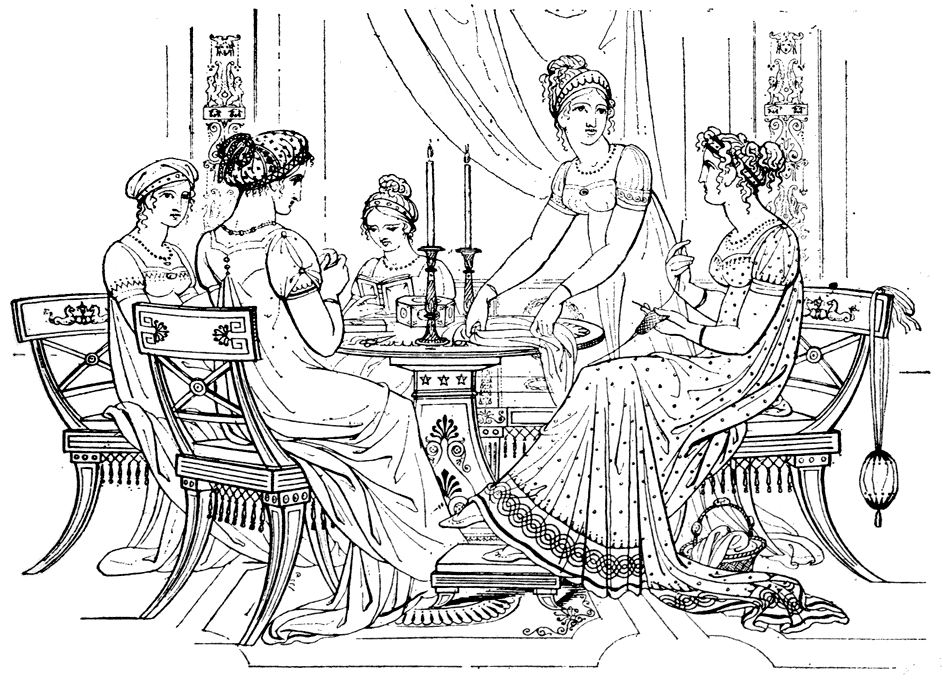
Legally and economically, women had few rights. Upon marriage, a woman's property and any earnings became her husband's. Unmarried women from wealthy families might live comfortably, but they were often dependent on the generosity of male relatives. For a gentlewoman without a fortune, the options were stark: marry well, or face a precarious existence as a governess or paid companion, positions with little social status.
This dependence on marriage for financial security and social respectability is a critical element of the world Austen depicts. The pressure to secure a suitable husband was not just a romantic pursuit; it was a matter of survival.
You will examine key themes in Austen’s novels, such as the roles of family and femininity, of class, manners, status and authority, and you will learn about Austen’s pioneering and distinctive narrative techniques...
Understanding this historical setting is key. The constraints of class, the limited roles for women, and the importance of money and marriage were not just background details in Jane Austen's time. They were the fundamental rules of the game her characters had to play.
The period from 1811 to 1820, during which the Prince Regent ruled in place of his father, King George III, is known as what?
To which social class did most of Jane Austen's characters, who owned land and lived off rental income without holding noble titles, belong?