IVF and Assisted Hatching Explained
Introduction to IVF
What Is IVF?
In Vitro Fertilization, or IVF, is a series of procedures used to help with fertility or prevent genetic problems and assist with the conception of a child. The name comes from Latin; "in vitro" means "in glass." It refers to the process where an egg is combined with sperm outside the body, in a laboratory dish.
in vitro fertilization
noun
A medical procedure whereby an egg is fertilized by sperm in a test tube or elsewhere outside the body.
Originally, IVF was developed for women with blocked or damaged fallopian tubes. These tubes are the natural pathway for an egg to travel from the ovary to the uterus. If they're blocked, fertilization can't happen naturally.
IVF was originally designed to bypass fallopian tubes that were blocked either by disease or tubal ligation (contraception).
Today, the reasons for using IVF have expanded. It's now a common treatment for various infertility issues, including:
- Ovulation disorders: When a woman doesn't release eggs regularly.
- Male infertility: Low sperm count or poor sperm motility can make natural conception difficult.
- Endometriosis: A condition where uterine tissue grows outside the uterus, affecting the function of the ovaries, uterus, and fallopian tubes.
- Uterine fibroids: Benign tumors in the uterus that can interfere with the implantation of a fertilized egg.
- Unexplained infertility: When no cause for infertility can be found after a full evaluation.
- Genetic disorders: IVF can be combined with genetic testing to screen embryos for specific inherited diseases before they are transferred to the uterus.
The IVF Journey
An IVF cycle is a carefully orchestrated process that typically takes several weeks. It involves a few key stages, each one critical for success.
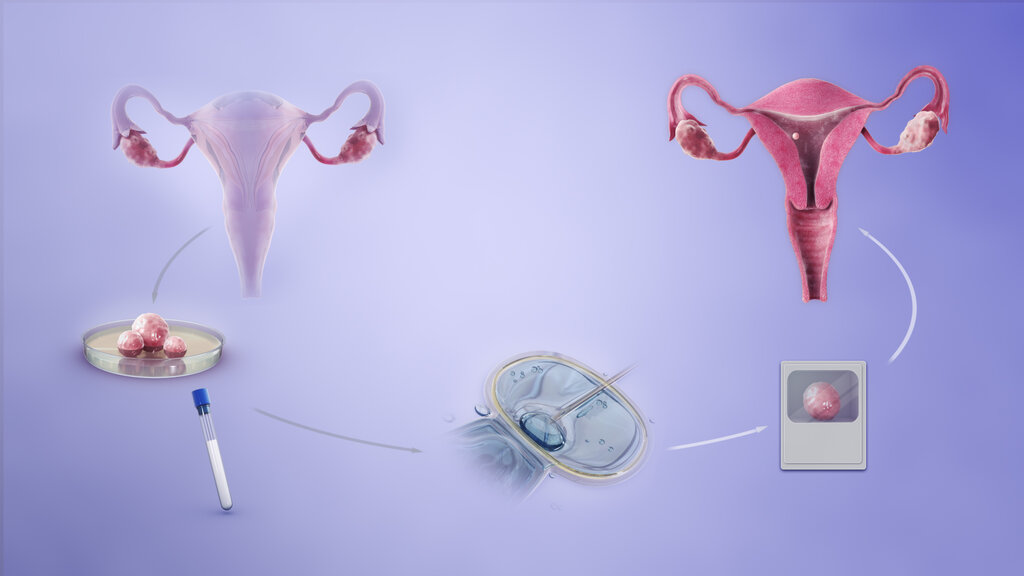
1. Ovarian Stimulation
In a natural menstrual cycle, a woman usually produces one mature egg. For IVF, the goal is to produce multiple mature eggs to increase the chances of developing a viable embryo. This is achieved through fertility medications, typically injectable hormones, that stimulate the ovaries to produce more eggs than usual. Regular monitoring through blood tests and ultrasounds ensures the eggs are developing correctly and helps time the next step perfectly.
2. Egg Retrieval
Once the eggs are mature, they are collected in a minor surgical procedure called follicular aspiration. Using ultrasound for guidance, a thin needle is inserted through the vaginal wall and into the ovaries to gently suction the eggs from their follicles. The procedure is usually done under sedation or light anesthesia.
3. Fertilization
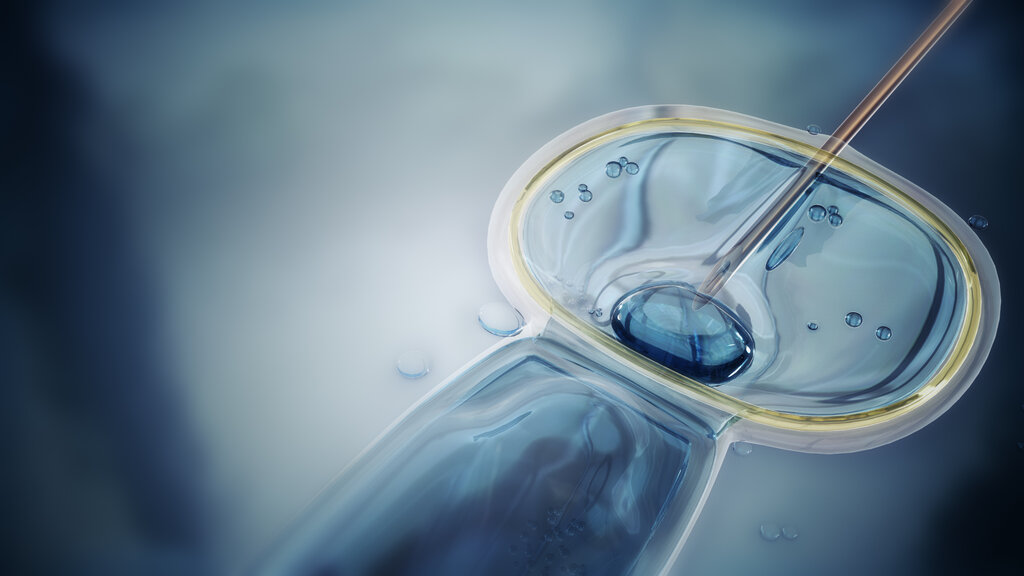
After retrieval, the eggs are taken to the lab. Here, they are mixed with sperm from a partner or a donor. In some cases, a single healthy sperm is injected directly into each mature egg in a process called Intracytoplasmic Sperm Injection (ICSI). The fertilized eggs, now called embryos, are placed in a special incubator to grow.
4. Embryo Culture
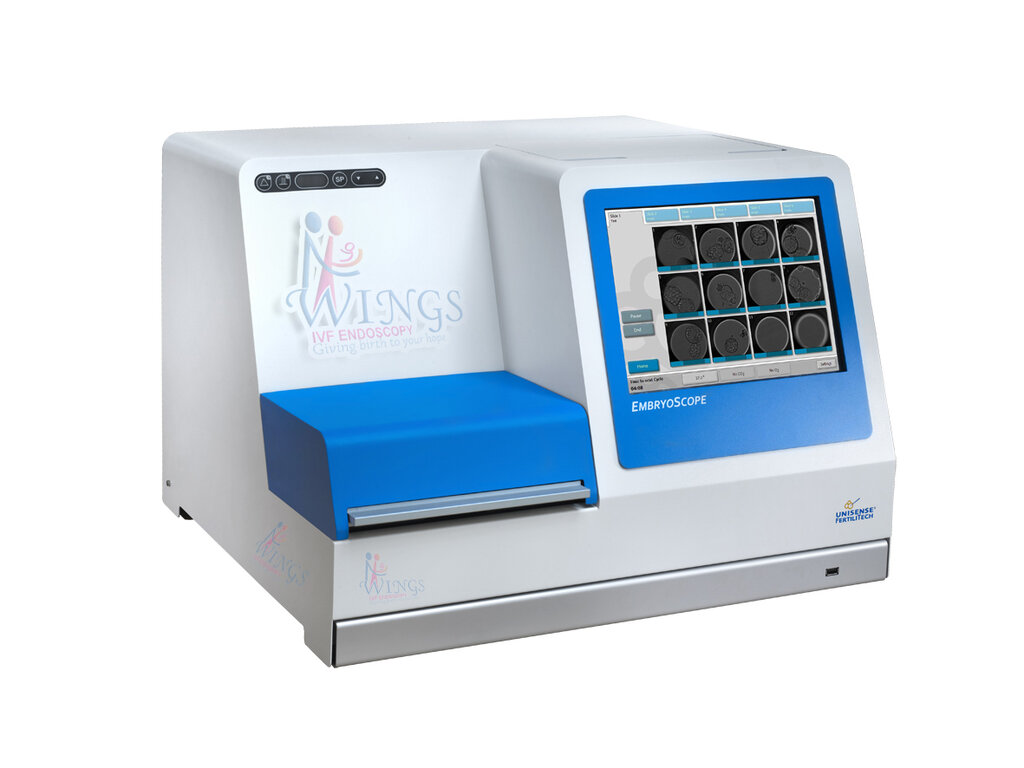
For the next three to five days, the embryos are monitored in a controlled environment as they divide and develop. Embryologists check on their growth to see which ones are developing normally. Sophisticated incubators can even provide time-lapse imaging, allowing for continuous monitoring without disturbing the embryos.
5. Embryo Transfer
The final step is transferring one or more healthy embryos into the uterus. This is a simple procedure that doesn't require anesthesia. A long, thin tube called a catheter is inserted through the cervix into the uterus, and the embryo is gently placed inside. If the embryo successfully implants in the uterine lining, pregnancy begins.
Success Rates and Factors
The success of IVF, typically measured by the live birth rate per cycle, varies widely. Several factors can influence the outcome.
Age is the single most important factor. A woman's age directly impacts the quality and quantity of her eggs. Younger women generally have higher success rates. For women under 35, the chance of a live birth per cycle can be 40% or higher, but this rate declines significantly after age 40.
Other key factors include:
- Cause of infertility: Some conditions are more difficult to treat than others.
- Embryo quality: The health and developmental stage of the transferred embryo is crucial.
- Previous pregnancies: A history of successful pregnancies can indicate a higher chance of success with IVF.
- Lifestyle factors: Smoking, excessive alcohol use, and being significantly overweight or underweight can negatively affect IVF outcomes.
Success is a cumulative process. Many couples require more than one IVF cycle to achieve a successful pregnancy.
Navigating IVF can be an emotional and complex journey, but for many, it offers a path to parenthood that might not otherwise be possible.
What does the term "in vitro" in In Vitro Fertilization literally mean?
What is the primary goal of the ovarian stimulation phase in an IVF cycle?