Italian Patente B Advanced Theory
Italian Traffic Laws
The Rules of the Road
In Italy, like most of Europe, you drive on the right side of the road and overtake on the left. This is the first and most fundamental rule. But traffic flow is more than just staying in your lane. Understanding who has the right to go first, or la precedenza, is critical, especially at intersections.
At an unmarked intersection, the vehicle approaching from your right always has the right-of-way. This is the default rule in Italy.
This principle, known as precedenza a destra (priority to the right), applies whenever you don't see signs or signals like traffic lights, stop signs, or give way signs. If you approach an intersection and another car is coming from the road on your right, you must let them pass before you proceed. This rule keeps traffic moving predictably in the absence of other controls.
Roundabouts, or rotatorie, are also common. The rule here is simpler: vehicles already circulating within the roundabout have the right-of-way over vehicles entering it. Always yield to traffic coming from your left before you enter the circle.
Speed Limits
Speed limits in Italy are standardized based on the type of road. It's crucial to know them by heart, not just for the exam, but for everyday safety. The general limits for a standard car are as follows:
| Road Type | Description | Speed Limit |
|---|---|---|
| Autostrada | Motorway / Highway | 130 km/h |
| Strade Extraurbane Principali | Main Non-Urban Roads | 110 km/h |
| Strade Extraurbane Secondarie | Secondary Non-Urban Roads | 90 km/h |
| Strade Urbane | Urban Roads / In Town | 50 km/h |
These are the maximum speeds allowed under ideal conditions. In case of rain, the limit on motorways drops to 110 km/h, and on main non-urban roads, it drops to 90 km/h. Always pay attention to posted signs, as they can indicate lower limits for specific stretches of road due to curves, construction, or other hazards.
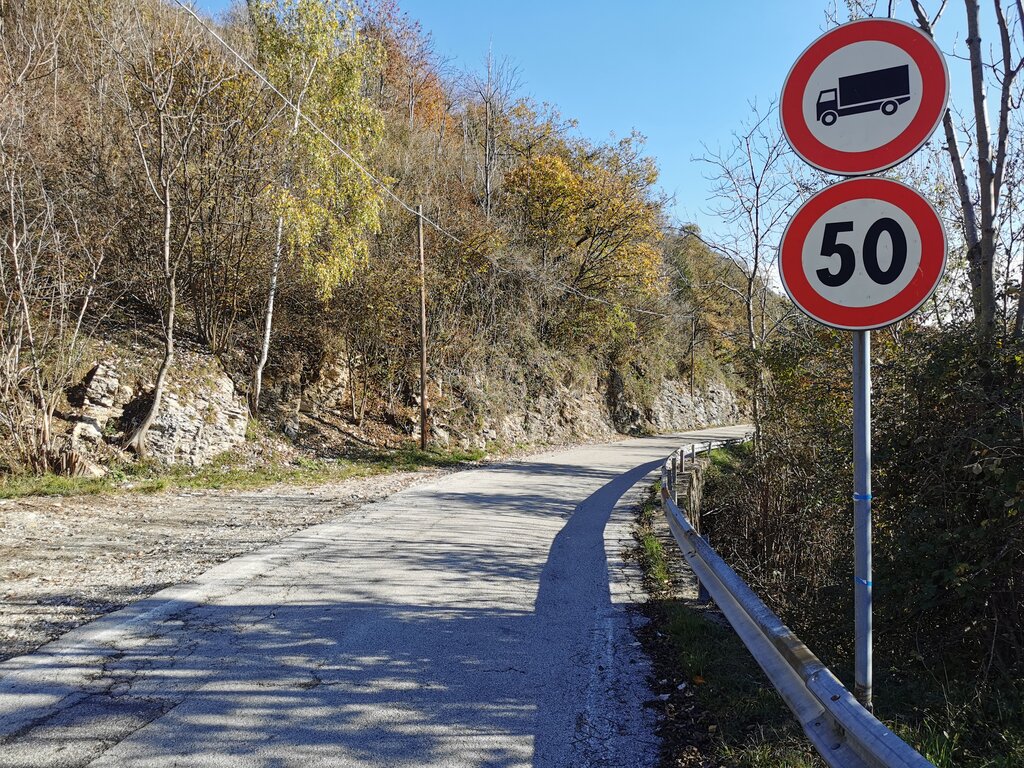
There are also stricter limits for new drivers, known as neopatentati. For the first three years after getting your license, you have different rules to follow.
For the first three years with a Patente B, your maximum speed is 100 km/h on motorways (autostrade) and 90 km/h on main non-urban roads (strade extraurbane principali).
Staying Safe and Legal
Beyond speed and right-of-way, Italian law includes several important regulations designed to keep everyone safe. Seat belts (cinture di sicurezza) are mandatory for the driver and all passengers, in both the front and back seats. Failure to wear one can result in a fine and a loss of points from your license.
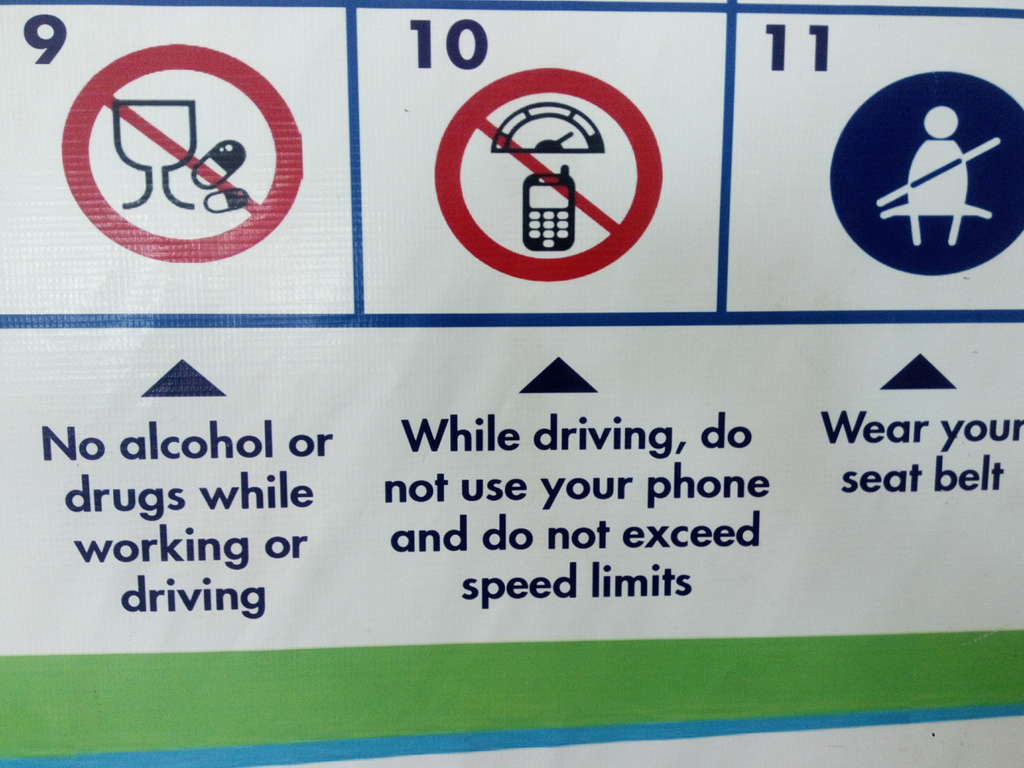
Using a mobile phone while driving is strictly forbidden. You cannot hold it, text, or browse while operating the vehicle. The only legal way to use a phone is through a hands-free system (viva-voce) or with earphones, but only in one ear to ensure you can still hear emergency sirens and other traffic sounds. The penalties for phone use are severe and include hefty fines and point deductions.
Penalties and Recent Changes
Italy uses a points-based system (patente a punti) for driving licenses. When you first get your license, you start with 20 points. If you commit a traffic violation, you lose a certain number of points in addition to paying a fine. For example, speeding might cost you 3 points, while running a red light could cost 6.
If you lose all 20 points, your license is suspended. To get it back, you must retake both the theory and practical driving exams. On the bright side, drivers who go two years without any violations earn a bonus of 2 points, up to a maximum of 30.
The law is continually updated to improve road safety. Recent changes have brought even stricter rules, particularly concerning driving under the influence (DUI) of alcohol. The legal blood alcohol limit is 0.5 g/l, but it is zero for new drivers (in their first three years) and professional drivers.
Penalties for DUI have been significantly increased. They range from large fines to license suspension and even imprisonment, depending on the detected alcohol level. For repeat offenders, the consequences are even more severe. These new laws reflect a zero-tolerance approach to drunk driving.
At an unmarked intersection in Italy, which vehicle has the right-of-way (la precedenza)?
When entering a roundabout (rotatoria) in Italy, you must yield to traffic...
Understanding these laws is the foundation of being a safe and responsible driver in Italy. Always stay alert and prioritize safety.