Italian Music Terms for RCM Level 6
Introduction to Italian Musical Terms
The Universal Language of Music
When you look at a piece of sheet music, you see notes, clefs, and time signatures. These symbols tell you what notes to play and for how long. But how do you know how to play them? Should the music be loud or soft, fast or slow, smooth or sharp? For centuries, composers have used a shared vocabulary to answer these questions, and that vocabulary is overwhelmingly Italian.
This tradition isn't an accident. It dates back to the Renaissance and Baroque periods, from the 15th to 18th centuries, when Italy was the center of the musical world. Italian composers were innovating new forms of music, like opera, and musicians from across Europe flocked to Italy to study. During this time, music printing was also developing, allowing ideas to spread more quickly.
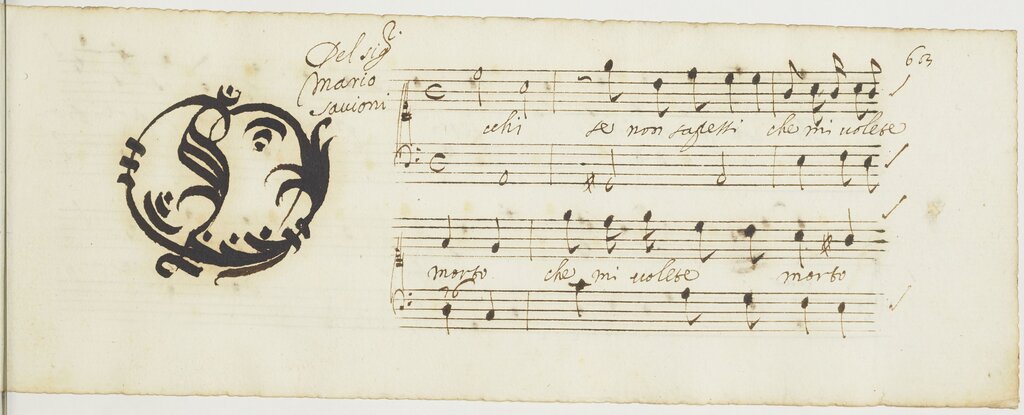
As Italian musicians and composers documented their work, their descriptive words became the standard. Terms like forte (loud) and piano (soft) were written into the scores. When a German composer wanted to communicate with a French performer, they both understood the Italian terms. This created a universal language that transcended borders, ensuring a composer’s intentions could be understood by anyone, anywhere.
More Than Just Instructions
These Italian words do more than just give technical directions. They also convey the mood, character, and emotion of the music. A composer might write allegro, meaning fast and lively, but they could add con brio, meaning 'with vigor,' to ask for an even more spirited and fiery performance. A slow passage marked adagio feels very different from one marked largo, even though both are slow. Adagio implies a graceful ease, while largo suggests a broader, more stately pace.
Italian musical terms are the bridge between the silent notes on a page and a living, breathing performance.
Think of it like stage directions in a play. The script provides the words, but the directions—'angrily,' 'with a sigh'—tell the actor how to deliver them. In music, these Italian terms are the composer's direct line to the performer, guiding their interpretation to bring the piece to life as intended.
Why It Matters for You
As you prepare for music theory exams, like those for RCM Level 6, a solid understanding of this vocabulary is essential. It’s not about simply memorizing a list of words. It's about learning to read the emotional and expressive map the composer has laid out for you. Knowing this language allows you to interpret music more deeply and perform it more authentically.
This foundation will serve you in every piece of music you encounter. By mastering these terms, you gain access to a richer and more nuanced understanding of the music you play and hear.
Let's check your understanding of these core ideas.
Why did Italian become the standard language for musical terms?
The text compares Italian musical terms to what element in a play's script?
In the following sections, we'll begin exploring specific Italian terms and their meanings.