Italian Music Terms for RCM Level 6
Introduction to Italian Musical Terms
The Universal Language of Music
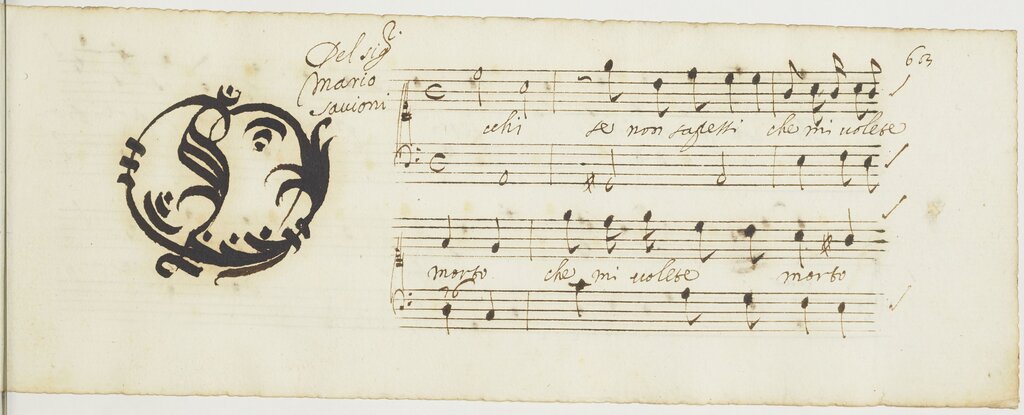
Have you ever looked at a piece of sheet music and seen words like allegro or piano? These terms are part of a long tradition that began in Italy during the Renaissance and Baroque periods, from roughly the 15th to 18th centuries. At that time, Italian composers were at the forefront of musical innovation. They were among the first to write detailed instructions on their scores, moving beyond just the notes and rhythms.
Because Italy was the center of the musical world, composers and musicians from across Europe traveled there to study. When they returned home, they brought Italian musical conventions with them. This is how Italian became the standard language for musical terms. It created a universal vocabulary that allows a composer in Japan to communicate clearly with a performer in Argentina.
The Building Blocks of Expression
These Italian terms aren't random suggestions; they're precise instructions that tell a performer how to play the music. They generally fall into a few key categories, each controlling a different aspect of the performance.
| Category | Purpose | Example |
|---|---|---|
| Tempo | The speed of the music | Adagio |
| Dynamics | The volume of the music | Forte |
| Articulation | How notes are played or styled | Staccato |
| Mood | The overall feeling of the piece | Dolce |
Think of a composer as a director and the musician as an actor. The notes are the script, but the Italian terms provide the stage directions. They indicate whether a passage should feel hurried and energetic, soft and gentle, or bold and dramatic. They transform a simple series of notes into a rich, emotional experience.
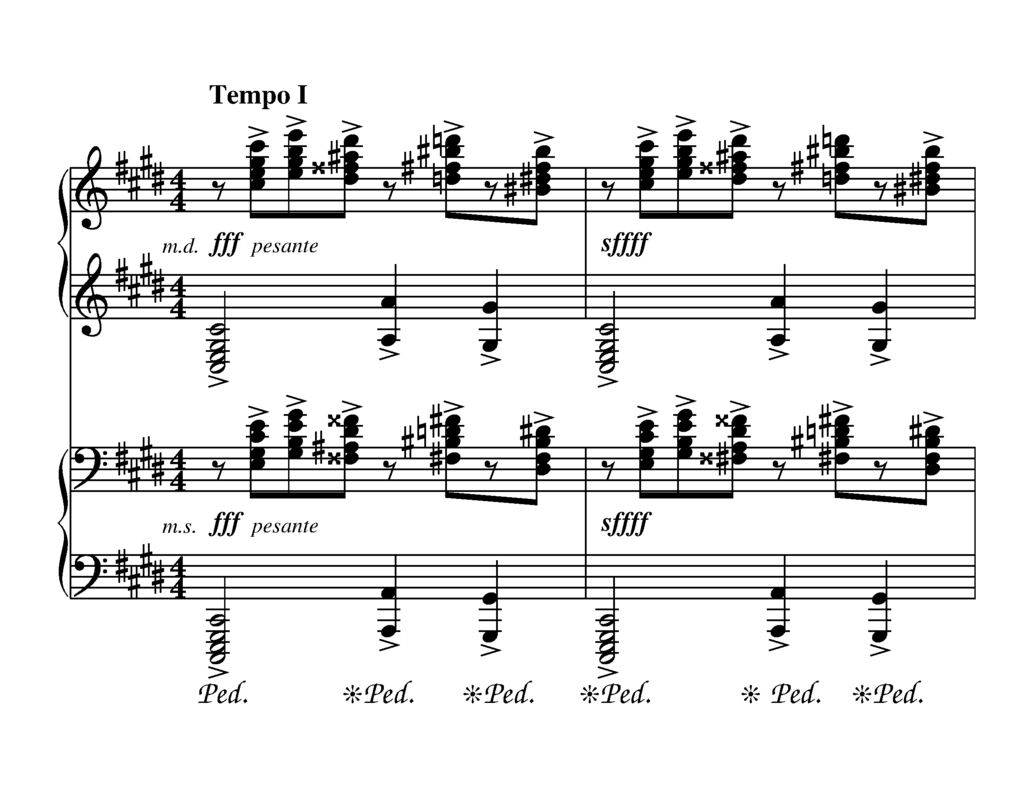
Without this shared language, musicians would have to guess the composer's intent. Thanks to these Italian terms, the core emotional and structural ideas of a piece can be understood and interpreted faithfully by musicians anywhere in the world, centuries after the music was written.