Italian Language Essentials
Italian Alphabet and Pronunciation
The Italian Alphabet
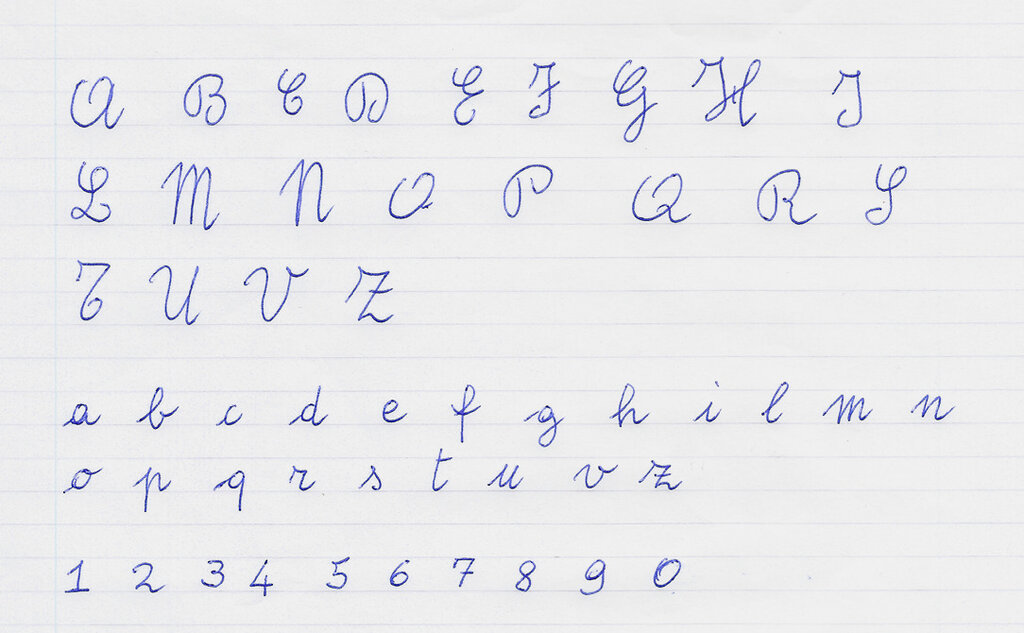
The Italian alphabet, or l'alfabeto italiano, is your starting point. The good news is that it uses the same Latin script as English, so it will look very familiar. The even better news? It's shorter.
The standard Italian alphabet has 21 letters.
A, B, C, D, E, F, G, H, I, L, M, N, O, P, Q, R, S, T, U, V, Z
You might be wondering where J, K, W, X, and Y are. These letters aren't considered part of the native alphabet. You'll only see them in foreign words that have been adopted into Italian, like jeans, weekend, or taxi.
Vowel Power
Vowels are the heart of Italian pronunciation. Unlike the dozen or so vowel sounds in English, Italian has just five pure, consistent sounds. Once you learn them, you can pronounce a huge number of words correctly. Every vowel is always pronounced.
Here are the five vowels and their sounds:
| Vowel | Sound (like in English) | Example |
|---|---|---|
| A | ah as in father | casa (house) |
| E | eh as in bed | bene (good) |
| I | ee as in see | libri (books) |
| O | oh as in go | mondo (world) |
| U | oo as in moon | luna (moon) |
Spoken Italian follows the written language exactly with each letter corresponding to one specific sound.
The letters 'E' and 'O' technically have both "open" and "closed" sounds, but this is a subtle difference that you'll pick up naturally over time by listening to native speakers. For now, focus on the main sounds in the table.
Tricky Consonants
Many Italian consonants sound just like they do in English. But a few have special rules, especially depending on which vowel follows them. Let's look at the most important ones.
The Letters C and G
These two change their sound based on the vowel that comes next. They can have a "hard" sound or a "soft" sound.
| Combination | Sound | Example |
|---|---|---|
| CA, CO, CU | Hard k sound | cane (dog), cosa (thing) |
| CE, CI | Soft ch sound (as in church) | cena (dinner), città (city) |
| GA, GO, GU | Hard g sound (as in goat) | gatto (cat), lago (lake) |
| GE, GI | Soft j sound (as in jam) | gelato (ice cream), giorno (day) |
But what if you need a hard sound before 'e' or 'i'? You add an 'h'.
- CHE, CHI: Makes a hard 'k' sound. For example, che (what) is pronounced "keh."
- GHE, GHI: Makes a hard 'g' sound. For example, spaghetti is pronounced with a hard 'g'.
And to get a soft sound before 'a', 'o', or 'u'? You add an 'i'.
- CIA, CIO, CIU: Makes a soft 'ch' sound. For example, ciao (hello/goodbye). The 'i' is silent.
Special Combinations
A few other letter combinations have their own unique sounds. Mastering these will take your pronunciation to the next level.
GN and GL
The combination gn makes a sound similar to the 'ny' in "canyon." Think of the word gnocchi.
The combination gli sounds like the 'lli' in "million." For example, famiglia (family). When 'gl' is followed by other vowels (gla, gle, glo, glu), it just makes a hard 'g' sound followed by an 'l', as in inglese (English).
The Letter Z
The letter 'Z' can make two sounds. Sometimes it's a 'ts' sound, as in pizza. Other times it's a 'dz' sound, like in zanzara (mosquito). There isn't a strict rule, so this is something you'll learn through exposure.
Double Consonants
When you see a double consonant, like 'nn' in anno (year) or 'tt' in fatto (done), you need to stress the sound. Hold the consonant for just a moment longer than you normally would. This is an important feature of Italian, as it can change the meaning of a word. For example, caro (dear) vs. carro (cart).
How many letters are in the standard Italian alphabet?
Which of the following letters is NOT considered part of the native Italian alphabet?
Getting these basic sounds right is a huge step. Listen to Italian speakers, practice saying the words out loud, and don't be afraid to make mistakes.