Italian Language Basics
Italian Alphabet and Pronunciation
The Italian Alphabet
The Italian alphabet is straightforward. It uses the same Latin script as English but only has 21 native letters. The letters J, K, W, X, and Y are not part of the traditional alphabet, but you'll see them in words borrowed from other languages, like jeans or weekend.
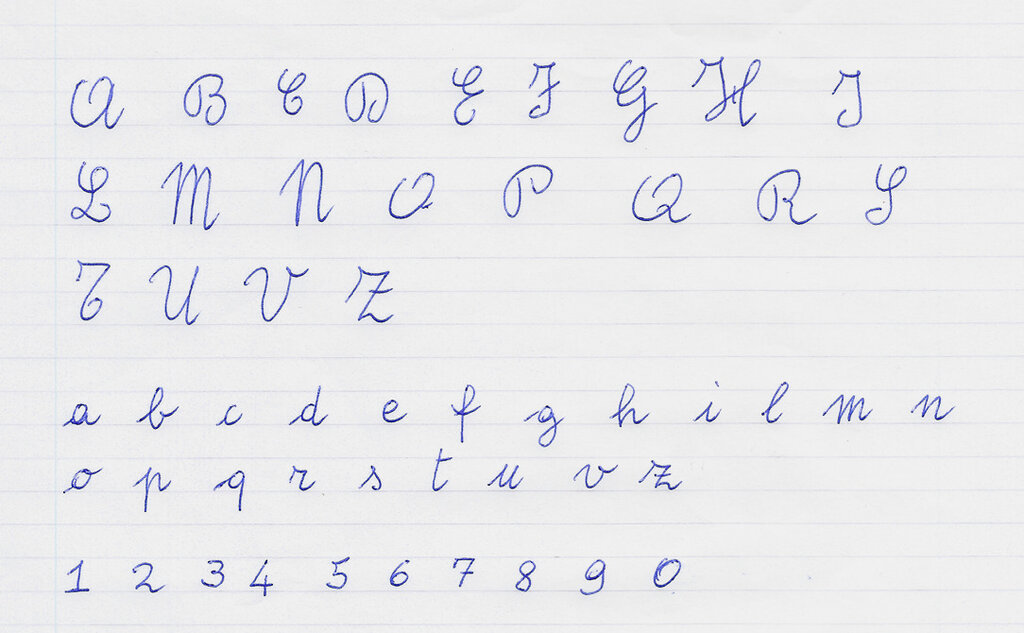
Each letter has a name, which is important to learn for spelling things out loud. Notice how the names are just the letter's sound, usually followed by the vowel sound of the letter itself.
| Letter | Italian Name | Pronunciation of Name |
|---|---|---|
| A a | a | ah |
| B b | bi | bee |
| C c | ci | chee |
| D d | di | dee |
| E e | e | eh |
| F f | effe | ef-feh |
| G g | gi | jee |
| H h | acca | ahk-kah |
| I i | i | ee |
| L l | elle | el-leh |
| M m | emme | em-meh |
| N n | enne | en-neh |
| O o | o | oh |
| P p | pi | pee |
| Q q | qu | koo |
| R r | erre | er-reh |
| S s | esse | es-seh |
| T t | ti | tee |
| U u | u | oo |
| V v | vu | voo |
| Z z | zeta | dzeh-tah |
Pure Vowel Sounds
Italian has five vowels: A, E, I, O, U. Unlike English, these vowels have consistent, pure sounds. They are always pronounced clearly and are never slurred or reduced. Think of them as short, sharp sounds.
| Vowel | Sound like in English | Example |
|---|---|---|
| A | ah, as in father | casa (house) |
| E | eh, as in bed | caffè (coffee) |
| I | ee, as in see | pizza (pizza) |
| O | oh, as in go | notte (night) |
| U | oo, as in moon | luna (moon) |
Key Consonant Sounds
Most Italian consonants sound similar to their English counterparts. However, a few change their sound depending on the letters that follow them. The letters C and G are the most important ones to learn.
Spoken Italian follows the written language exactly with each letter corresponding to one specific sound.
The letters C and G have both a "hard" sound (like 'k' and 'g' in go) and a "soft" sound (like 'ch' in cheese and 'j' in gem). The vowel that follows determines the sound.
| Combination | Sound | Example |
|---|---|---|
| CA, CO, CU | Hard 'k' sound | cane (dog), cosa (thing) |
| CE, CI | Soft 'ch' sound | cena (dinner), ciao (hello) |
| GA, GO, GU | Hard 'g' sound | gatto (cat), gola (throat) |
| GE, GI | Soft 'j' sound | gelato (ice cream), giorno (day) |
What if you want a hard 'k' or 'g' sound before an E or an I? You add an 'H'. The 'H' is always silent in Italian; its only job is to change the sound of the consonant before it.
CHE and CHI make a 'k' sound. For example, che (what) is pronounced "keh."
GHE and GHI make a hard 'g' sound. For example, spaghetti is pronounced "spa-get-tee."
A few other consonant combinations create unique sounds you won't find in English.
GN
other
Pronounced like the 'ny' in the word "canyon." It's a single, fluid sound.
GLI
other
Pronounced like the 'lli' in the word "million." Your tongue touches the roof of your mouth to make a liquid 'lyee' sound.
Putting It All Together
One final key to Italian pronunciation is the use of double consonants, like 'tt' in notte or 'zz' in pizza. When you see a double consonant, you hold the sound for slightly longer. This distinction is important and can change the meaning of a word.
Pala (shovel) has a short 'l' sound. Palla (ball) has a longer, more emphasized 'll' sound.
Similarly, caro means 'dear', but carro means 'cart'. Getting these double consonants right is a big step toward sounding more natural.
Ready to test your knowledge? Let's see how well you've grasped these fundamental sounds.
How many letters are in the traditional Italian alphabet?
Which of the following letters is NOT part of the traditional Italian alphabet?
Mastering these sounds is your first big step. The best way to improve is to listen to native speakers and practice saying the words out loud. Don't be afraid to sound it out!