Italian Grammar Essentials
Italian Alphabet and Pronunciation
The Italian Alphabet
The Italian alphabet is straightforward, especially if you know English. It uses the same Latin script but has only 21 native letters. The letters J, K, W, X, and Y are considered foreign and only appear in borrowed words like jeans or weekend.
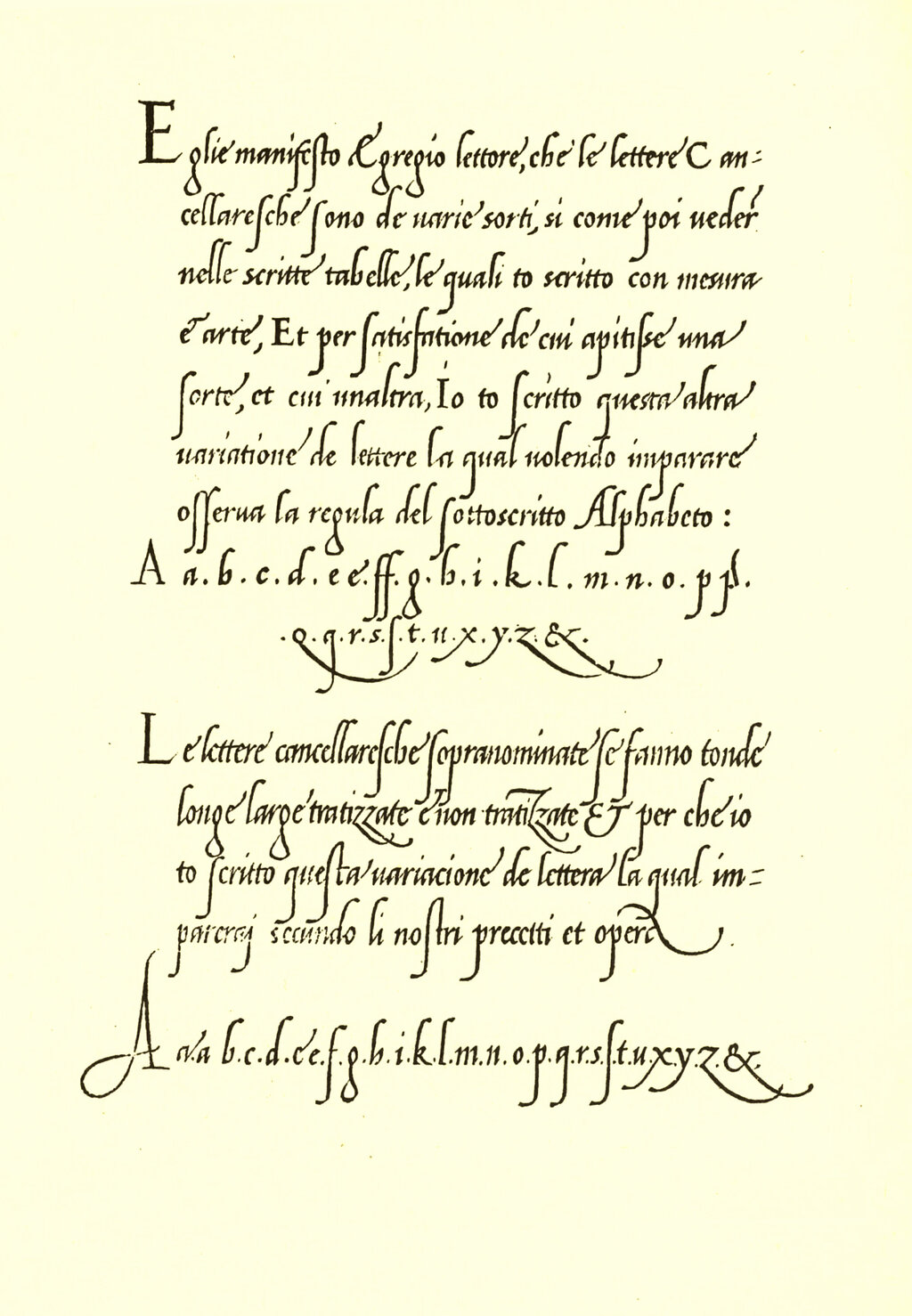
Each letter has a name, which is how you'd say it if you were spelling a word out loud. For example, to spell the word ciao, you would say: ci, i, a, o.
| Letter | Name | Pronunciation Guide |
|---|---|---|
| A, a | a | like the 'a' in "father" |
| B, b | bi | like the 'b' in "bed" |
| C, c | ci | (see special rules below) |
| D, d | di | like the 'd' in "dog" |
| E, e | e | like the 'e' in "hey" |
| F, f | effe | like the 'f' in "fun" |
| G, g | gi | (see special rules below) |
| H, h | acca | always silent |
| I, i | i | like the 'ee' in "see" |
| L, l | elle | like the 'l' in "love" |
| M, m | emme | like the 'm' in "mom" |
| N, n | enne | like the 'n' in "no" |
| O, o | o | like the 'o' in "go" |
| P, p | pi | like the 'p' in "pen" |
| Q, q | cu | like the 'q' in "queen" |
| R, r | erre | a rolled or flipped 'r' |
| S, s | esse | like the 's' in "sun" |
| T, t | ti | like the 't' in "top" |
| U, u | u | like the 'oo' in "moon" |
| V, v | vu | like the 'v' in "victory" |
| Z, z | zeta | like 'ts' or 'dz' |
The Tricky Letters C and G
This is where Italian pronunciation differs most from English. The letters C and G have two different sounds, a "hard" one and a "soft" one. The sound they make depends entirely on the vowel that follows them.
Hard sounds occur before A, O, and U. Soft sounds occur before E and I.
For the letter C:
- Hard C sounds like 'k' in "car." Examples: casa (house), colore (color), cubo (cube).
- Soft C sounds like 'ch' in "cheese." Examples: cena (dinner), città (city).
For the letter G:
- Hard G sounds like 'g' in "go." Examples: gatto (cat), gonna (skirt), gusto (taste).
- Soft G sounds like 'j' in "jet." Examples: gelato (ice cream), giorno (day).
Special Combinations
So what if you want a hard 'c' or 'g' sound before an E or an I? That's where the silent letter H (acca) comes in. It acts as a shield, preserving the hard sound.
- CH sounds like 'k'. Example: che (what), chiave (key).
- GH sounds like 'g' in "go." Example: spaghetti, ghiaccio (ice).
There are a few other important combinations to learn.
- GLI sounds like the 'lli' in "million." Example: famiglia (family).
- GN sounds like the 'ny' in "canyon." Example: gnocchi.
- SC followed by E or I sounds like 'sh' in "shoe." Example: scena (scene). Otherwise, it sounds like 'sk' as in scala (stairs).
The best part about Italian pronunciation is its consistency. Once you learn these rules, you can confidently pronounce almost any word you see. The letters almost always make the same sound, which makes reading much simpler than in English.
Let's test your knowledge of these new sounds.
How many letters are in the native Italian alphabet?
How would you pronounce the 'C' in the word cena (dinner)?
Practice these sounds out loud. Listening to and repeating them will help lock them into your memory.