Italian Democracy Explained
Foundations of Democracy
What is Democracy?
At its heart, democracy is a system where the people hold the power. The word itself comes from two Greek words: demos, meaning “people,” and kratos, meaning “rule.” So, democracy literally means “rule by the people.”
Democracy
noun
A system of government in which supreme power is vested in the people and exercised by them directly or indirectly through a system of representation usually involving periodically held free elections.
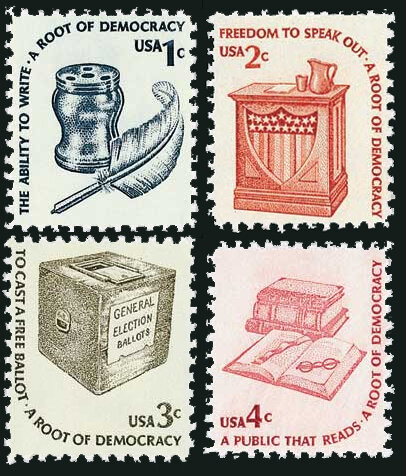
But this system is more than just casting a ballot every few years. It's a set of interconnected ideas and principles that work together to ensure that power isn't just held by the people, but that it's also used fairly and for their benefit. These principles are the foundation upon which a democratic society is built.
The People Rule
The central pillar of democracy is popular sovereignty. This is the idea that the government gets its authority from the consent of the governed—that is, from the people themselves. In a democracy, the people are the ultimate source of all political power.
Think of it this way: the government works for the people, not the other way around.
This principle is put into practice through free and fair elections. By voting, citizens delegate their authority to elected representatives who are tasked with making decisions on their behalf. This ensures the government remains accountable to the people it serves. If the representatives don't do a good job, the people can choose new ones in the next election.
A Government of Laws
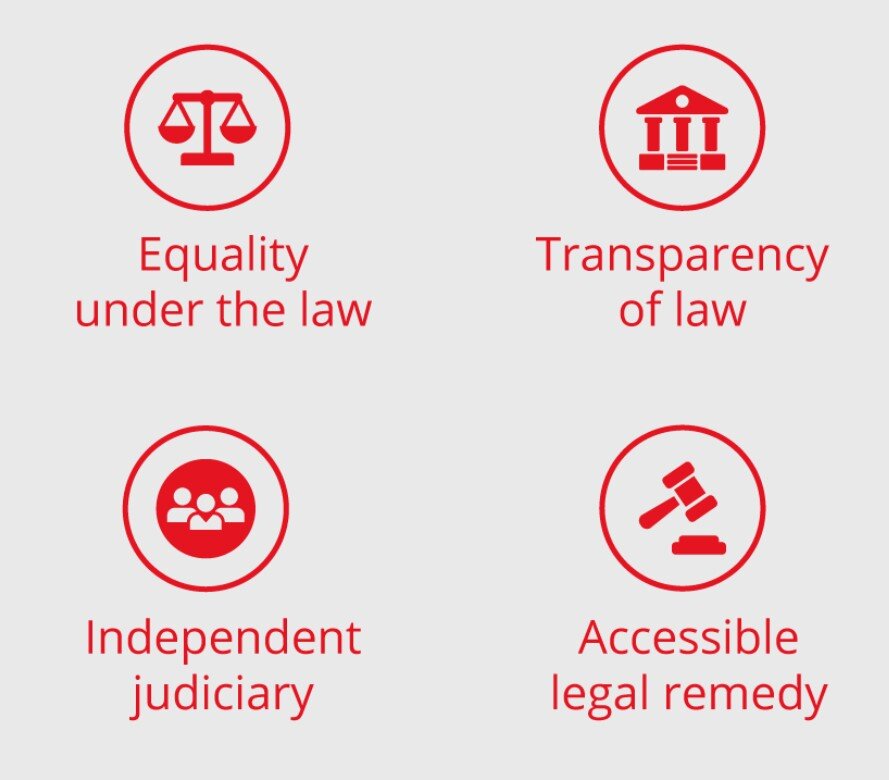
Imagine a game where the referee can change the rules whenever they want to help their favorite team. It wouldn't be a very fair game, would it? The same idea applies to government. In a democracy, everyone plays by the same rules, and those rules are clear, public, and stable. This is the rule of law.
The rule of law means that no one is above the law—not even the government or its leaders. The law applies equally to everyone.
This principle ensures that government actions are not arbitrary. It protects citizens from the random whims of powerful individuals by requiring that decisions are based on established laws. It provides a predictable and stable framework that allows society to function smoothly and fairly. When a police officer pulls you over, they must follow legal procedures, just as a president must abide by the constitution.
Don't Put All Power in One Place
To prevent any single person or group from gaining too much power, democracies use a system called the separation of powers. This principle divides the government into different branches, each with its own distinct responsibilities and powers.
| Branch | Primary Role | Who is in it? |
|---|---|---|
| Legislative | Makes the laws | Parliament, Congress, or Assembly |
| Executive | Enforces the laws | President, Prime Minister, and government agencies |
| Judicial | Interprets the laws | Courts and judges |
These branches don't operate in total isolation. They are designed to interact with and limit each other through a system of checks and balances. For example, the legislative branch might pass a law, but the executive branch could veto it. The judicial branch, in turn, can declare a law unconstitutional, invalidating it completely. This intentional friction makes it difficult for any one branch to overstep its authority.
Finally, a true democracy is committed to the protection of individual rights. These are fundamental freedoms inherent to all human beings. They aren't granted by the government, and therefore, cannot be taken away by it.
The constitution which came into being, began with a Declaration of Rights of Men & Citizens which included the right to life, freedom of speech, freedom of opinion, and equality before law etc., as inalienable rights.
These rights often include freedom of speech, assembly, and religion, as well as the right to a fair trial. Protecting these rights ensures that individuals can live with dignity, express themselves without fear of reprisal, and participate fully in the life of their society. It ensures that the majority cannot simply impose its will on the minority.
Ready to check your understanding of these core concepts?
The principle that a government's authority is derived from the consent of the people is known as:
A new law is passed that says government officials are exempt from paying taxes. Which democratic principle does this most directly violate?
These foundational principles—popular sovereignty, rule of law, separation of powers, and individual rights—are the building blocks of a democratic system. While they may be implemented differently across countries, they form the essential framework for a government of the people, by the people, and for the people.