Italian Cuisine Essentials
Origins of Italian Cuisine
The Ancient Roman Table
Long before pizza and pasta became famous, the Italian peninsula had a rich culinary history. The story begins with the Etruscans and Romans. Their diet was simple and based on what the Mediterranean land offered: grains, grapes, and olives. These three ingredients formed the foundation of their meals.
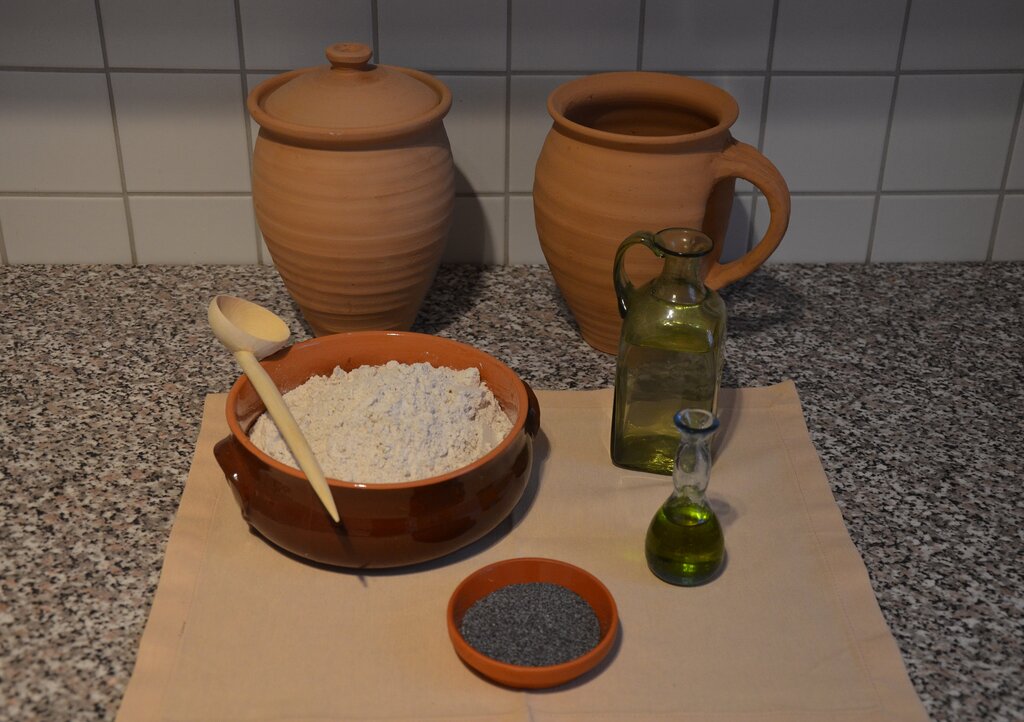
Grains like spelt and barley were ground into flour to make a coarse, flat bread or a porridge called puls. Grapes were pressed into wine, a staple for everyone from soldiers to senators. Olives were eaten whole or crushed to produce liquid gold: olive oil. This oil was used for cooking, flavoring, and even as a source of light. Cheese from sheep or goat milk, vegetables like cabbage and onions, and legumes such as lentils and chickpeas rounded out the everyday diet. Meat was a luxury, usually reserved for special occasions or the wealthy.
Italian cuisine origin happened in the ancient Roman and Etruscan civilizations.
Simplicity was key. The Romans valued fresh, local ingredients and straightforward preparations. Their legacy isn't in complex recipes, but in establishing the core components that would define Italian food for centuries.
New Flavors Arrive
The fall of the Roman Empire brought centuries of change. One of the most significant culinary shifts came from the Arab conquest of Sicily in the 9th century. This event introduced a wave of new ingredients and techniques to the island, which then slowly spread throughout Italy.
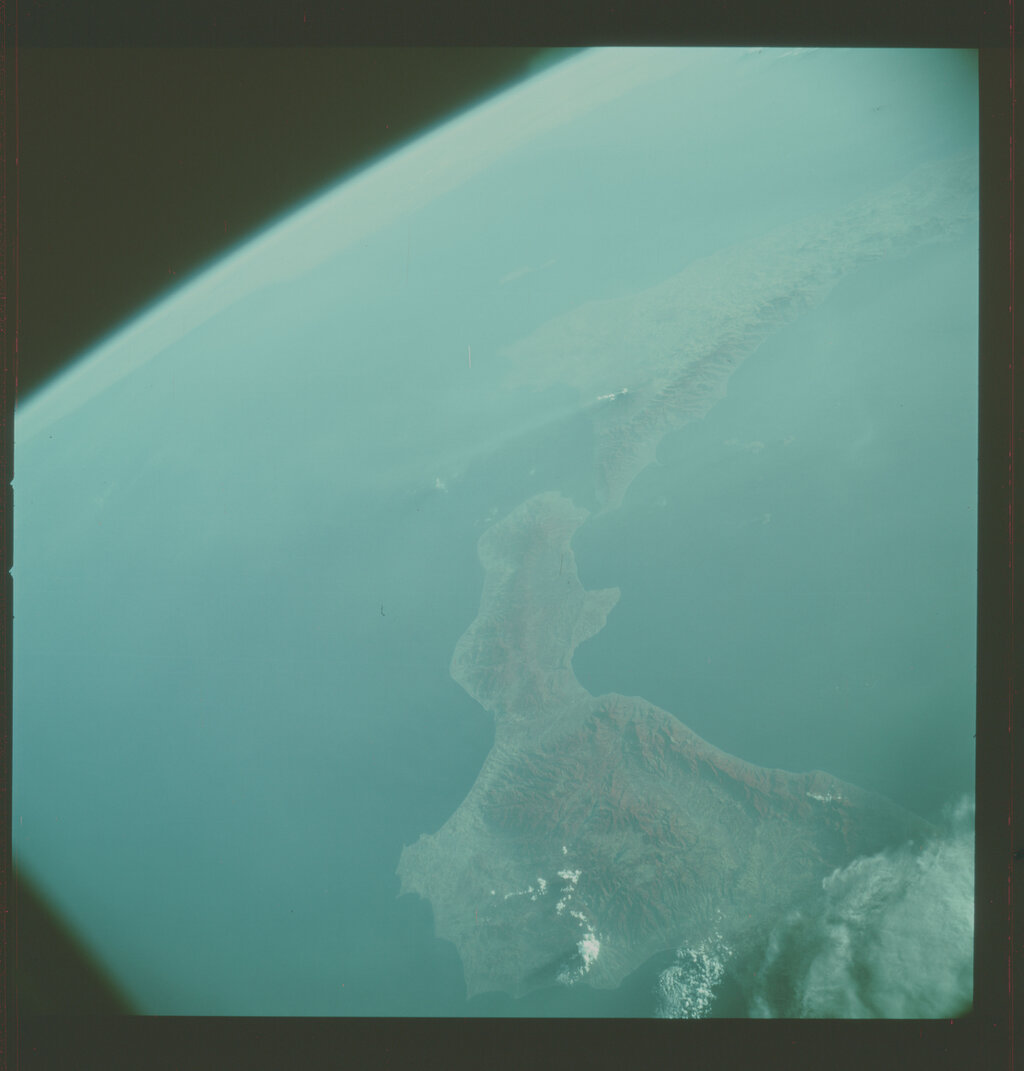
Arabs brought sugar cane, a revolutionary sweetener in a world that relied mostly on honey. They also introduced citrus fruits like oranges and lemons, along with nuts like pistachios and almonds. Spices such as cinnamon and saffron added new aromas and flavors to Sicilian kitchens.
Perhaps their most lasting contribution was dried pasta. While Romans had a fresh pasta-like dish called laganum, the Arabs perfected the art of drying pasta made from durum wheat. This process allowed it to be stored for long periods and transported, making it a valuable food for travelers and sailors. This innovation laid the groundwork for Italy's future love affair with pasta.
Arab influence in Sicily introduced sugar, citrus, and the technique of drying pasta.
The World on a Plate
Italian cooking underwent its most dramatic transformation following the European discovery of the Americas in the 15th century. The Columbian Exchange sparked a global transfer of plants, animals, and culture that reshaped diets worldwide. For Italy, it meant the arrival of ingredients that are now considered essential to its cuisine.
In the 15th Century, when Europeans discovered the Americas and the Caribbean, or the “New World,” Italian cuisine began to change dramatically with the introduction of tomatoes, potatoes, bell peppers, corn, and cocoa.
Imagine Italian food without the tomato. For centuries, this was the reality. Tomatoes arrived in Italy from the Americas in the 16th century but were initially viewed with suspicion. For a long time, they were grown only as ornamental plants. It wasn't until the 18th and 19th centuries that the tomato was widely adopted in the kitchen, especially in the south, leading to the creation of iconic tomato sauces for pasta and pizza.
| Ingredient from New World | Modern Italian Use |
|---|---|
| Tomato | Sauces, salads, pizza topping |
| Corn (Maize) | Polenta |
| Potato | Gnocchi, side dishes |
| Bell Peppers | Roasted, stuffed, sauces |
| Beans (various) | Soups, salads, stews |
Other arrivals like corn (maize) became the basis for polenta, a staple in Northern Italy. Potatoes were used to make gnocchi. These new ingredients didn't replace the old foundation of Italian cooking; they expanded it. They were slowly woven into regional traditions, creating the rich and varied culinary landscape we know today.
Ready to test your knowledge? Let's see what you've learned about how Italian cuisine came to be.
What were the three foundational ingredients of the ancient Roman diet?
Which culture is credited with introducing dried pasta and sugar cane to Italy?
From ancient grains to New World tomatoes, the story of Italian food is a journey through history. Each era added another layer, creating a cuisine loved around the globe.