IT Support Mastery
Introduction to IT Support
What is IT Support?
At its core, IT support is the practice of helping people with their technology problems. Think of it as the go-to resource when a computer freezes, a printer won't connect, or an application crashes. Every organization that uses technology, from a small startup to a global corporation, relies on IT support to keep things running smoothly.
Fundamentally, IT support is a collection of services meant to help consumers with technology-related problems and ensure that digital systems are operating properly.
Without effective support, minor technical glitches can turn into major productivity losses. A sales team that can't access its customer database or a writer locked out of their account can bring business to a halt. IT support specialists are the first line of defense, working to solve these issues quickly and efficiently.
The IT Support Specialist
An IT support specialist is a problem-solver. They are the professionals who diagnose and resolve technical hardware and software issues. Their work is a mix of technical know-how and direct user assistance. They might help a coworker over the phone, through chat, or in person.
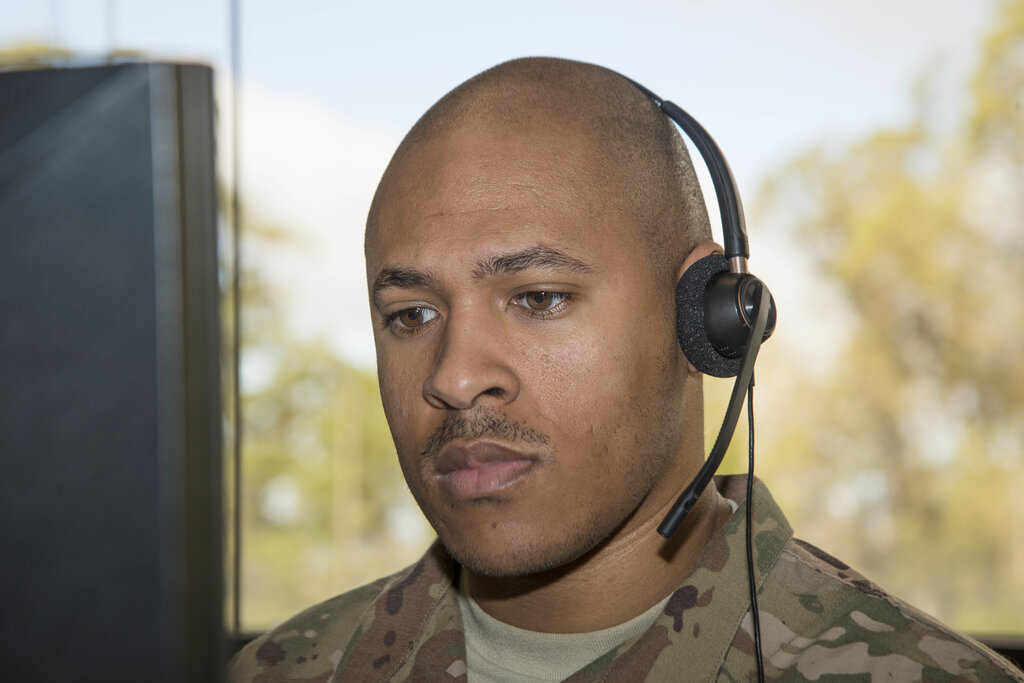
Their day-to-day responsibilities are diverse and crucial for an organization's health. They don't just fix what's broken; they also perform routine maintenance to prevent problems from happening in the first place.
Key responsibilities include troubleshooting system problems, providing help desk support, managing security, scheduling database backups, communicating maintenance schedules, and performing system upgrades.
Understanding IT Infrastructure
To solve problems, a support specialist needs to understand the environment they're working in. This entire digital environment is called the IT infrastructure. It's the foundation upon which all of an organization's technology is built. We can break it down into three main categories: hardware, software, and networks.
Hardware includes all the physical components you can touch. This ranges from computers, servers, and smartphones to printers, routers, and keyboards.
Software refers to the programs and operating systems that run on the hardware. It includes everything from the Windows or macOS operating system to applications like Microsoft Office, Slack, or specialized accounting software.
Networks are what connect everything together. This includes the internet, local office networks (wired and Wi-Fi), and virtual private networks (VPNs) that allow for secure remote access. The network allows hardware and software to communicate, share data, and access resources.
The Human Side of Tech
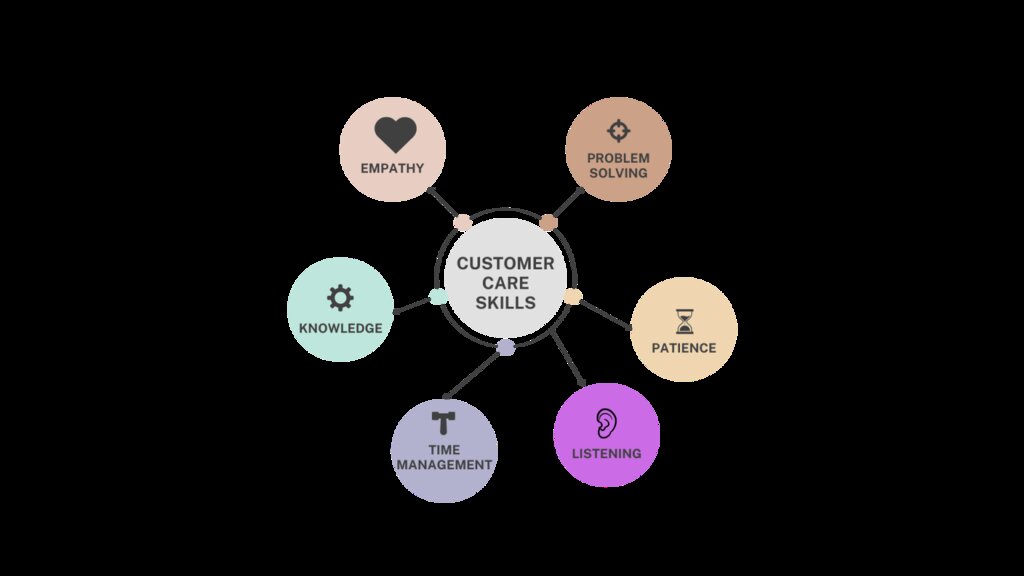
Being a great IT support specialist isn't just about technical skills. In fact, the human element is just as important. When people reach out to IT support, they're often frustrated, confused, or stressed. A good support specialist can turn a negative experience into a positive one through excellent customer service.
Good communication is essential to providing good IT support.
This means listening patiently to understand the user's problem, explaining technical concepts in simple terms, and showing empathy. The goal is to not only fix the issue but also to make the user feel heard and supported throughout the process. Skills like patience, problem-solving, and clear communication are fundamental.
Now that you understand the basics of IT support, let's review some key terms.
Ready to test your knowledge?
What is the core function of IT support within an organization?
An organization's entire digital environment, including all physical components, programs, and connections, is known as the IT _______.
By combining technical knowledge with strong customer service, IT support professionals play a vital role in helping everyone navigate the world of technology.