IT Support in 60 Seconds
Introduction to IT Support
What is IT Support?
Think of IT support as the friendly mechanic for all things technology. When your computer freezes, a program won't open, or the printer refuses to print, an IT support specialist is the person who gets you back on track. Their main job is to help people solve technology-related problems and make sure digital systems are working as they should.
In any organization, from a small business to a large corporation, technology is crucial. When it fails, work stops. IT support exists to minimize this downtime, ensuring everyone can use their tools effectively and without frustration.
Fundamentally, IT support is a collection of services meant to help consumers with technology-related problems and ensure that digital systems are operating properly.
This involves a mix of technical know-how and people skills. Specialists don't just fix computers; they help people who are often stressed or confused by a technical issue.
Core Skills for Success
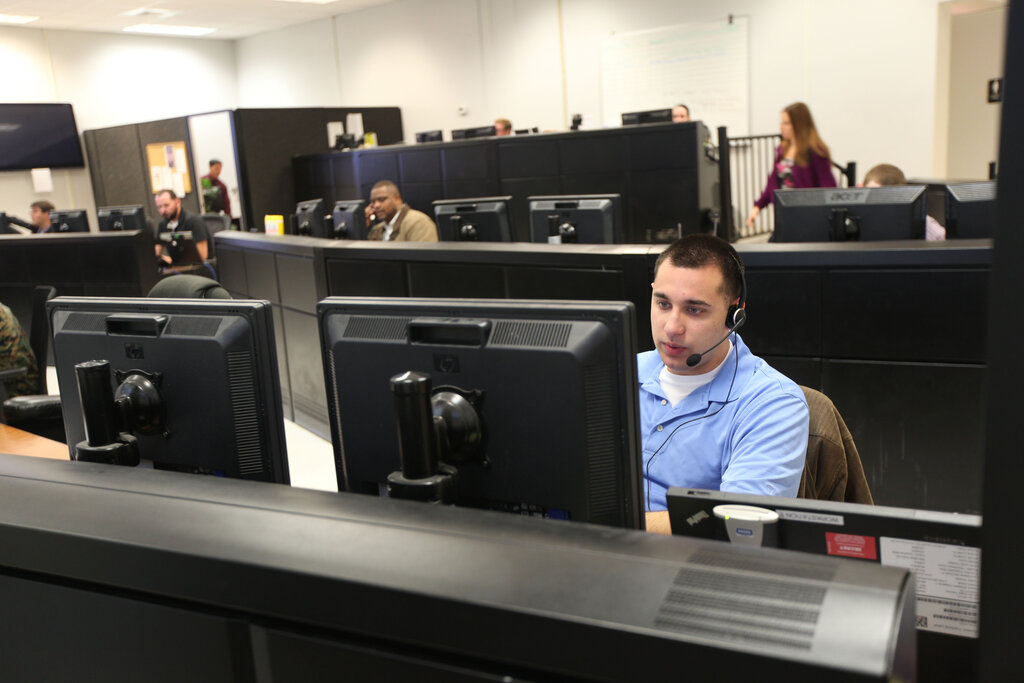
A great IT support specialist needs more than just technical knowledge. They need a specific set of skills to handle the human side of technology problems.
Key Skills:
- Problem-Solving: The ability to diagnose an issue and find a solution.
- Communication: The skill to explain technical concepts clearly to non-technical users.
- Customer Service: A focus on helping the user, not just fixing the device.
Effective problem-solving is a structured process. It starts with listening carefully to the user's description of the problem. What were they doing when it happened? What error messages appeared? This information provides clues to the root cause. From there, the specialist forms a hypothesis and tests potential solutions until the issue is resolved.
Communication is just as critical. Explaining a complex technical issue in simple, easy-to-understand terms is a real talent. It requires patience and empathy, especially when the user is frustrated. The goal is to guide them to a solution without making them feel overwhelmed.
Customer Service: Patience and empathy to assist users with varying levels of technical expertise.
This leads directly to customer service. A support specialist's job isn't done when the machine is fixed. It's done when the user feels confident and ready to get back to work. A positive, helpful attitude can make a huge difference in how a user experiences a technical setback.
A Day in the Life
The daily tasks of an IT support professional are varied, but they generally fall into a few key categories. These are the foundational duties that keep an organization's technology running.
| Task | Description |
|---|---|
| Software Installation | Installing, updating, and configuring applications that employees need. This ensures everyone has the right tools and that software is secure and up-to-date. |
| Hardware Setup | Assembling and configuring new computers, monitors, printers, and other peripherals. This includes making sure the hardware is connected properly and works with the network. |
| User Assistance | This is the core of the job. It involves answering questions, walking users through procedures, and troubleshooting problems as they arise. It could be as simple as a password reset or as complex as figuring out why a critical application keeps crashing. |
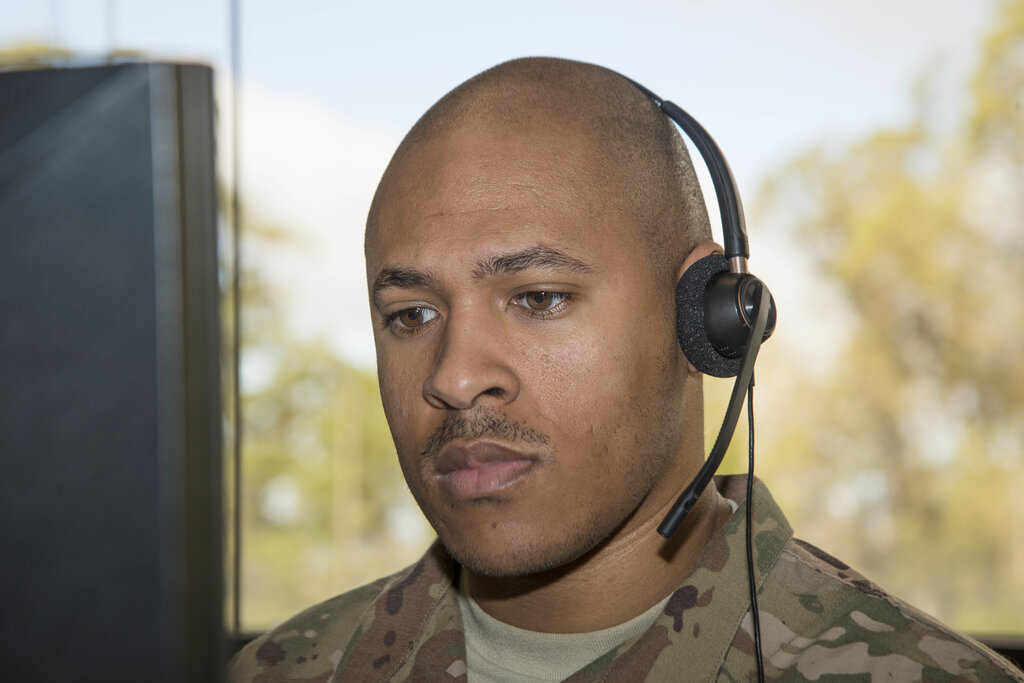
Each of these tasks requires that blend of technical skill and customer focus. Setting up a new laptop isn't just about plugging it in; it's about making sure the user has everything they need and knows how to use it. IT support is fundamentally a service role, dedicated to empowering others through technology.
What is the primary goal of IT support in an organization?
According to the text, the first step in an effective problem-solving process for an IT specialist is to form a hypothesis about the cause of the issue.