IT Support Fundamentals
Introduction to IT Support
The Heart of Tech
At its core, Information Technology (IT) support is about helping people. When technology fails, frustrations rise and work grinds to a halt. IT support professionals are the first responders, tasked with troubleshooting problems and ensuring that digital systems run smoothly. They are the bridge between people and their technology.
Fundamentally, IT support is a collection of services meant to help consumers with technology-related problems and ensure that digital systems are operating properly.
This role is much more than just fixing computers. It involves diagnosing software glitches, managing user accounts, maintaining networks, and protecting systems from security threats. An effective IT support specialist combines technical know-how with a genuine desire to solve problems for others.
Essential Skills
While technical knowledge is important, the most successful IT professionals excel in two key areas: problem-solving and communication.
Effective problem-solving follows a logical path. It’s not about knowing every answer, but about knowing how to find it. The process usually involves identifying the core issue, gathering information from the user, forming a hypothesis about the cause, and then testing potential solutions until the problem is resolved.
Equally important is communication. Technical jargon can be confusing and intimidating. A great IT support specialist can translate complex issues into simple terms, listen with empathy to a frustrated user, and clearly explain the steps needed for a resolution. Patience and clarity build trust and make the entire process smoother for everyone involved.
Clear communication can turn a stressful technical problem into a positive support experience.
Common Challenges
The world of IT support is diverse, with challenges ranging from the simple to the complex. Professionals must be prepared to tackle a wide variety of issues on any given day. Here are a few common categories of problems they face.
| Challenge Category | Example |
|---|---|
| Software Issues | An essential application crashes repeatedly or won't launch. |
| Hardware Failures | A laptop won't power on or a printer refuses to print. |
| Network Problems | A user is unable to connect to the Wi-Fi or access shared files. |
| User Access & Security | An employee forgets their password or needs access to a new system. |
While these issues can be disruptive, a systematic approach helps resolve them efficiently. The key is to stay calm, collect the facts, and work through the problem one step at a time.
From Reactive to Proactive
Traditionally, IT support has been reactive, waiting for something to break before fixing it. However, modern IT departments are shifting toward a proactive approach. Proactive maintenance aims to prevent problems before they ever affect the user.
This involves tasks like regularly updating software to patch security holes, monitoring network performance to spot issues early, and performing routine system backups to prevent data loss. By anticipating potential failures, organizations can save time, money, and a lot of headaches.
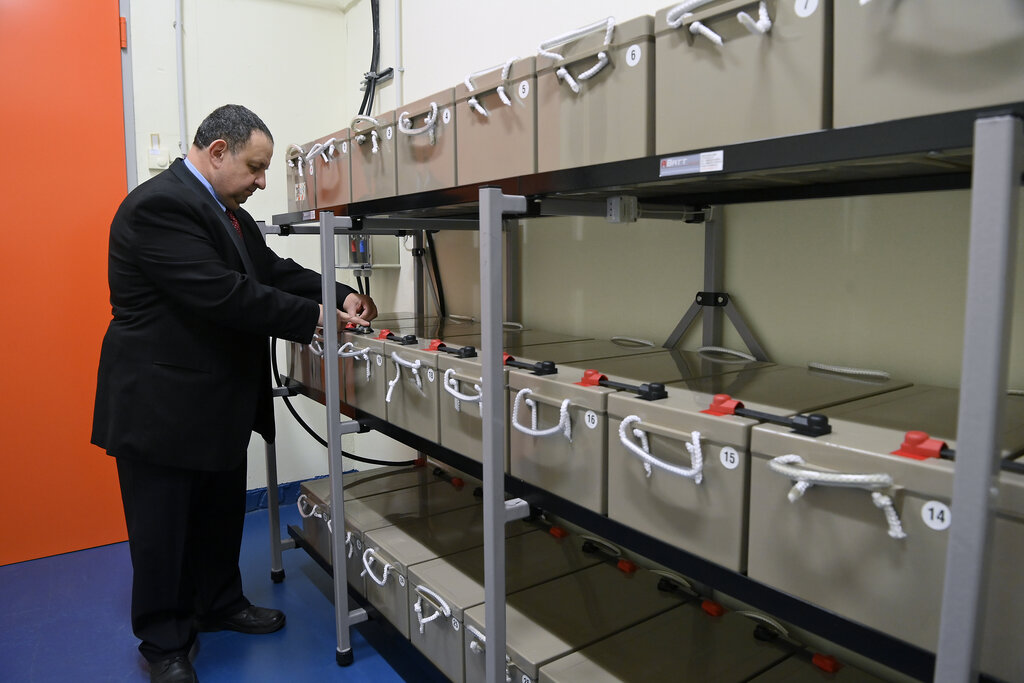
The engineers emphasize the importance of proactive maintenance, such as regular backups, monitoring, and keeping systems up to date, to reduce the frequency of support cases.
This preventative mindset is a core principle of good IT support. It helps build more stable and reliable systems, allowing people to focus on their work without technological interruptions. Now, let's test what you've learned about the foundations of IT support.
What is the primary role of an IT support professional?
Besides technical knowledge, what are the two most crucial skills for a successful IT support specialist?
Understanding these core concepts is the first step toward a successful career in IT. It's a field built on solving puzzles, helping others, and keeping the digital world running.