IT Support Fundamentals
Introduction to IT Support
The Heart of Tech
Behind every piece of technology we use, from the app on our phone to the complex systems that run big companies, there's a team of people making sure it all works smoothly. This is the world of Information Technology (IT) support. They are the problem-solvers, the guides, and the tech experts who help us when things go wrong.
Fundamentally, IT support is a collection of services meant to help consumers with technology-related problems and ensure that digital systems are operating properly.
Think of an IT support professional as a translator. They bridge the gap between people and technology. When a computer crashes, an application won't open, or a network connection drops, they're the first call for help. Their main goal is to get you back up and running as quickly as possible, minimizing frustration and downtime.
A Day in the Life
What does an IT support professional actually do all day? The tasks can be incredibly varied, which keeps the job interesting. One moment they might be helping someone reset a forgotten password, and the next they could be troubleshooting a company-wide network outage. They are the first line of defense for any technical issue.
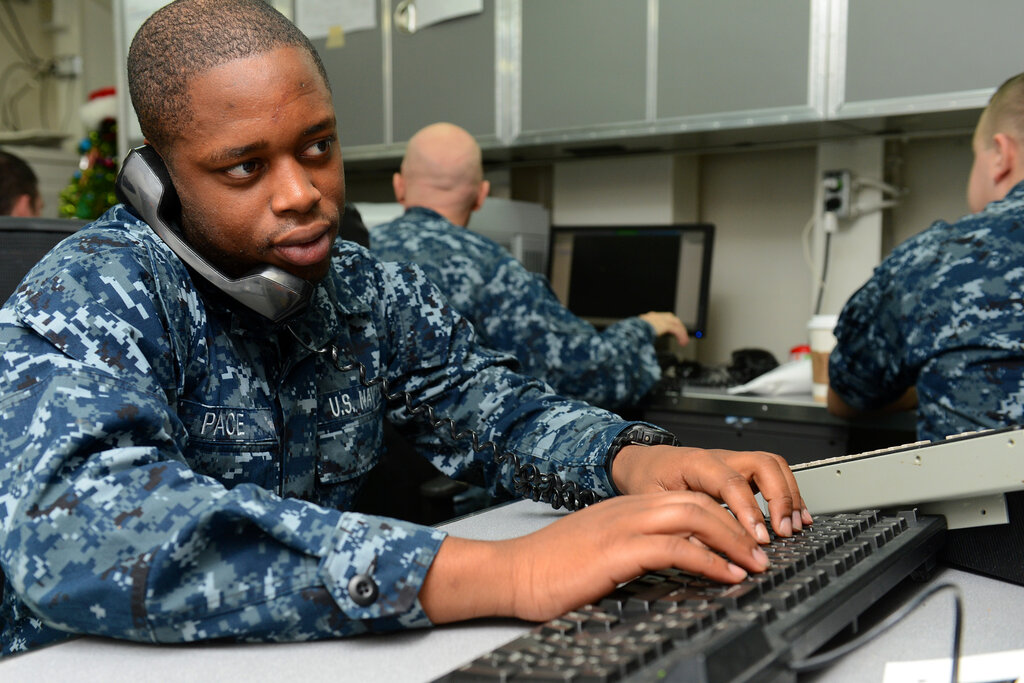
While every day is different, many tasks are part of the regular routine. IT support is the first point of contact for anyone experiencing technical difficulties.
| Task Category | Examples |
|---|---|
| Troubleshooting | Diagnosing why a printer isn't working, figuring out why software is crashing, solving internet connection problems. |
| User Assistance | Guiding a user through setting up new software, resetting passwords, explaining how to use a feature. |
| System Maintenance | Installing software updates, running security scans, managing user accounts (adding new employees, removing old ones). |
| Documentation | Writing down the steps to solve a common problem, creating how-to guides for users, keeping a log of issues and solutions. |
These professionals work in what's often called a helpdesk or service desk environment. They track issues using a ticketing system, which helps them prioritize problems and ensure that no request gets lost.
More Than Just Tech Skills
Knowing how to fix a computer is only half the job. The other half, which is just as important, is working with people. An IT support professional who can't communicate effectively won't be successful, no matter how much they know about technology.
Good communication is essential to providing good IT support.
Imagine you're stressed because your computer won't turn on and you have a deadline. You need someone who is patient, a good listener, and can explain complex steps in a simple way. That's the core of communication in IT support. It involves:
- Active Listening: Truly hearing the user's problem without jumping to conclusions.
- Empathy: Understanding the user's frustration and showing that you're there to help.
- Clear Instruction: Giving step-by-step guidance in plain language, avoiding technical jargon whenever possible.
- Patience: Working with users of all technical skill levels, from beginners to experts.
Strong communication builds trust and makes the entire process smoother for everyone involved. It turns a frustrating tech problem into a positive support experience.
Time to review what you've learned about the foundations of IT support.
What is the primary goal of an IT support professional when a user reports a technical issue?
Besides technical knowledge, which of the following is considered a crucial skill for a successful IT support professional?
Mastering these core ideas is the first step toward a successful career in helping people navigate the world of technology.