IT Support Engineering Essentials
Introduction to IT Support
What is IT Support?
At its core, Information Technology (IT) support is about helping people solve their tech problems. Think of an IT support professional as a tech-savvy guide, ready to step in when a computer freezes, a network connection drops, or a piece of software acts up. They are the first line of defense in making sure an organization's technology runs smoothly.
Fundamentally, IT support is a collection of services meant to help consumers with technology-related problems and ensure that digital systems are operating properly.
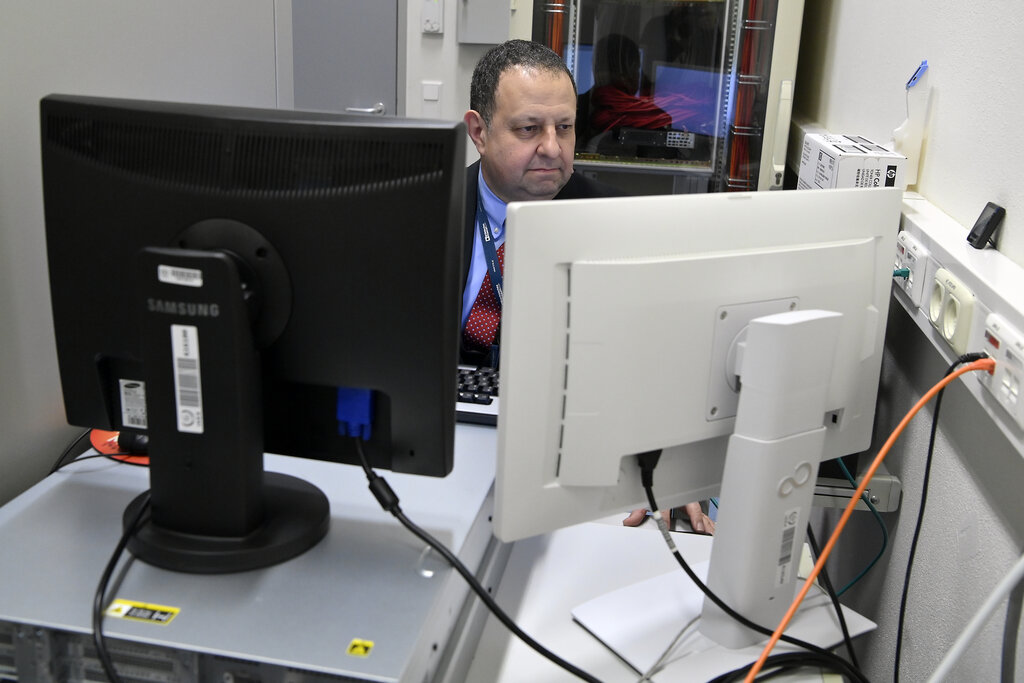
The daily work of an IT support engineer is varied. One moment they might be patiently walking a colleague through a password reset over the phone. The next, they could be troubleshooting a network outage affecting an entire department. Their responsibilities often include diagnosing hardware and software issues, performing routine system maintenance, managing security protocols, and training users on new technology. They ensure that everyone, from the CEO to a new intern, has the technical tools they need to do their job effectively.
The Tiers of Support
To handle issues efficiently, IT support is usually structured in a tiered system. This model organizes support teams based on their level of expertise, ensuring that problems are addressed by the right people at the right time. Most organizations use a three-tiered structure.
Tier 1 is the front line. Also known as the help desk or service desk, this team handles initial customer contact and resolves common, straightforward problems. Their goal is to solve as many issues as possible on the first call or email.
Tier 2 support takes over when Tier 1 can't solve a problem. These technicians have more in-depth knowledge and experience. They investigate issues that require more technical analysis, like recurring software bugs or unusual network behavior.
Tier 3 is the highest level of support. This tier is made up of specialists, such as senior engineers, architects, or even the product developers themselves. They tackle the most complex and critical problems, often those that are new or have a major impact on the business.
The Makings of a Great Support Engineer
Success in IT support isn't just about knowing how computers work. It requires a blend of hard technical skills and soft people skills. A great support engineer is a well-rounded professional.
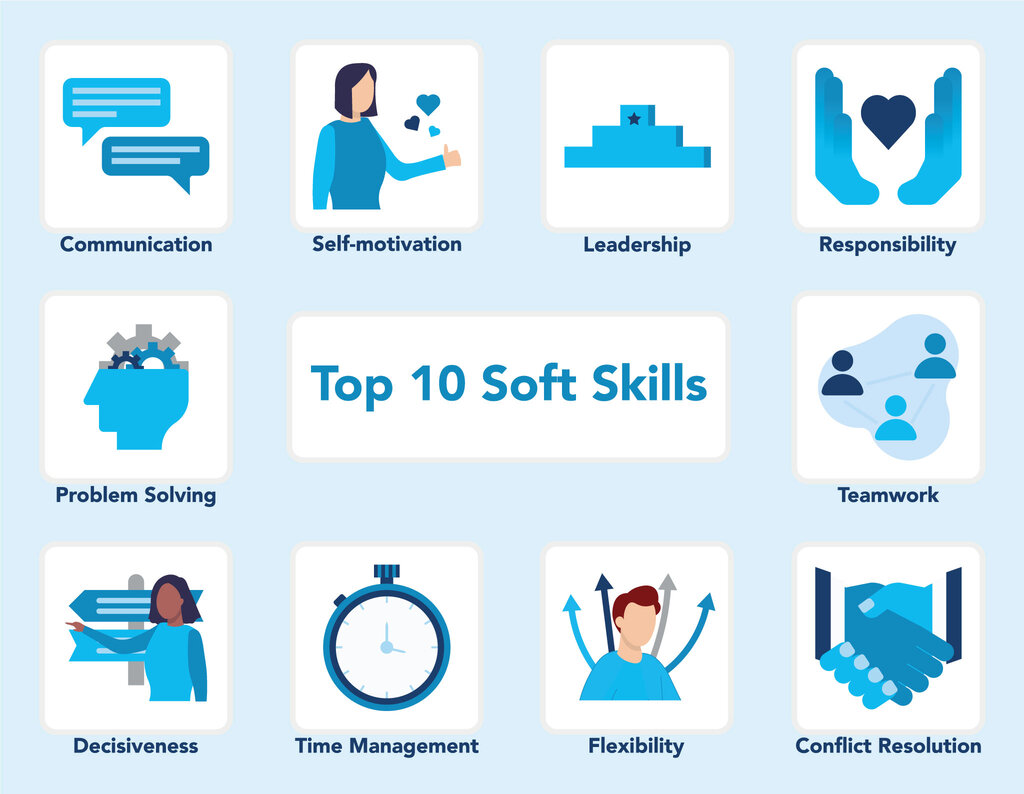
Technical Proficiency: This is the foundation. You need a solid understanding of operating systems, networks, and the specific hardware and software your company uses. This knowledge allows you to quickly identify and fix problems.
Problem-Solving: At its heart, IT support is about solving puzzles. You must be able to think logically, analyze symptoms, and systematically test hypotheses to find the root cause of an issue.
Communication: Explaining a complex technical problem to someone with no tech background is an art. Clear, patient, and empathetic communication is essential for making users feel heard and helping them understand the solution.
Customer Service: A positive attitude and a focus on helping others go a long way. The goal is not just to fix the problem, but to provide a good experience. Patience and a calm demeanor, especially when a user is frustrated, are invaluable.
Where Can IT Support Take You?
A role in IT support is an excellent entry point into the technology industry. It provides a broad overview of how a company's systems work and interact. From a starting position, many career paths can open up.
Many experienced support professionals advance into specialized roles like network administration, cybersecurity analysis, systems engineering, or IT management. Others leverage their customer-facing experience to move into roles like technical sales or project management.
The skills learned in IT support, particularly in problem-solving and communication, are highly transferable and valued across the tech sector. It's a field where continuous learning can lead to significant career growth.
What is the primary goal of Information Technology (IT) support within an organization?
A user calls the help desk because they are unable to log in, having forgotten their password. Which support tier is most likely to handle this initial request?
With a grasp of the fundamentals, you're ready to explore the specific tools and techniques that make modern IT support effective.