IT Storage Essentials
Introduction to Data Storage
The Digital Filing Cabinet
At its heart, data storage is the process of saving digital information. Think of every photo on your phone, every email in your inbox, and every document on your computer. All of this information, or data, needs a place to live. Without storage, your devices would have no memory. They couldn't save your progress in a game, remember your contacts, or even start up properly.
Data storage is the foundation of modern computing. It allows us to keep information permanently, or at least until we decide to delete it. This process of recording and holding onto information is what makes our digital lives possible.
A Quick Trip Through Time
The way we store data has changed dramatically over the years. Early computers used punched cards, which held tiny amounts of information as a pattern of holes. Then came magnetic tape, which stored much more data but had a major drawback: you had to read it in order, from start to finish, like a cassette tape.
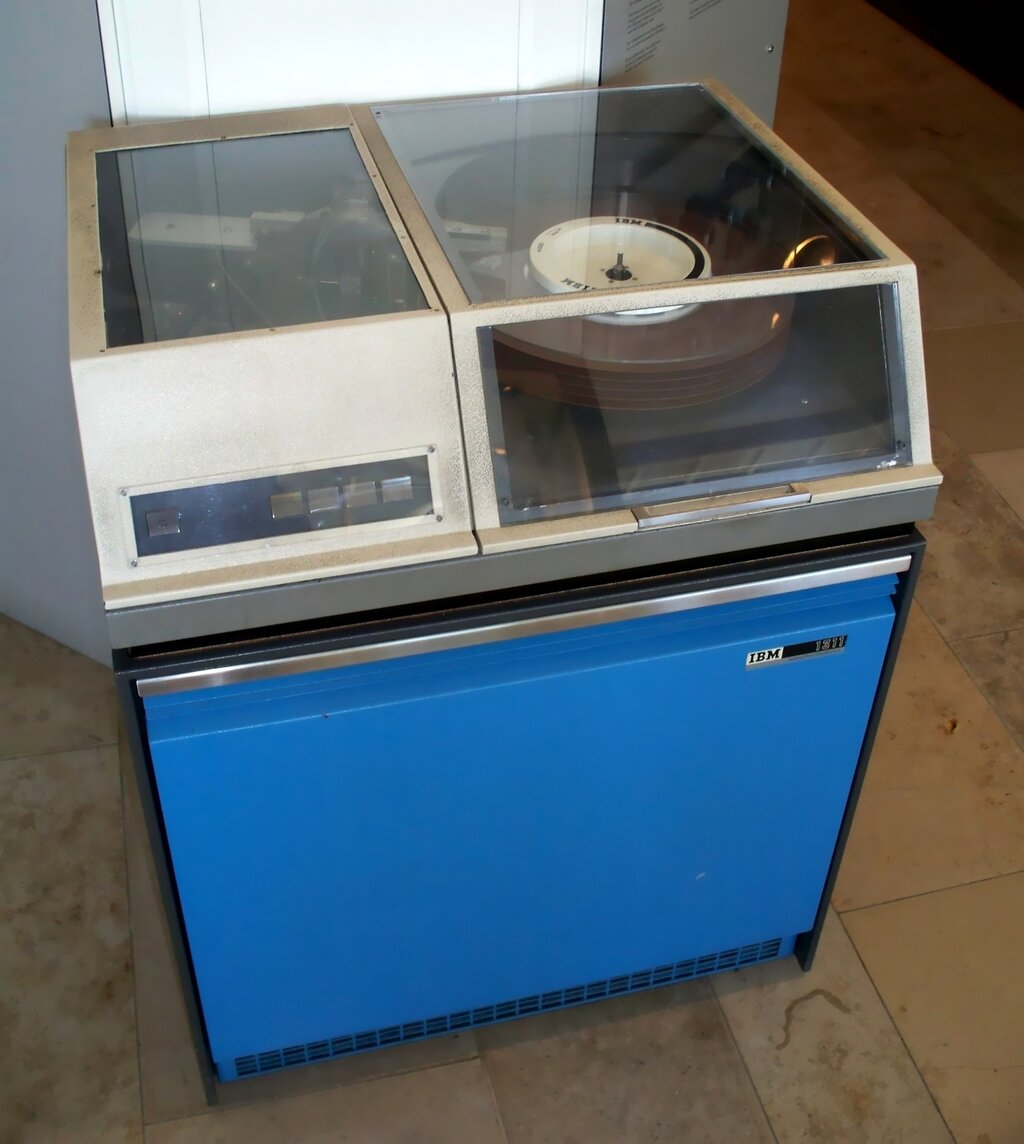
The real game-changer was the hard disk drive (HDD). It allowed for random access, meaning a computer could jump directly to the data it needed without reading everything that came before it. This made computers much faster and more efficient.
From there, storage got smaller and more portable. We had floppy disks, then CDs, and eventually flash storage, which powers the USB drives and solid-state drives (SSDs) common today. Now, much of our data lives in the "cloud," which is just a network of powerful computers with massive storage capacity that we can access from anywhere.
How It Works
No matter the technology, the basic principles of data storage are the same. Imagine a giant library. When you want to store a new piece of information (a book), you give it to the librarian, who finds an empty shelf and records its location. When you want to get that information back, you ask for it, and the librarian uses the location to find it quickly.
Computers do something similar. The two most basic operations are writing data (placing the book on the shelf) and reading data (retrieving the book).
To make this possible, all digital information—from text to videos—is converted into a simple language of 1s and 0s. These are called bits. A storage device's job is to physically record these patterns of bits and keep them safe. When you open a file, the device reads the pattern and translates it back into something you can understand.
Every storage operation is either a "write" (saving data) or a "read" (accessing data). It's the digital equivalent of putting a file in a cabinet versus taking one out.
Ready to check your understanding of these core concepts?
What is the primary function of data storage in a computer system?
According to the text, what was the 'real game-changer' that hard disk drives (HDDs) introduced, making computers much faster?
Understanding these fundamentals is the first step toward learning about more advanced data systems and architectures.