IT Project Management Essentials
Introduction to IT Project Management
What Makes a Project a Project?
In any field, a project isn't just a list of tasks. It's a temporary journey with a specific destination. Unlike day-to-day operations, which are ongoing and repetitive (like running a company's email server), a project is unique and has a clear start and finish.
Project
noun
A temporary endeavor undertaken to create a unique product, service, or result.
Information Technology (IT) projects have their own special flavor. They often deal with complex, invisible systems. You can't physically touch software or a data network in the same way you can touch a new building. This introduces unique challenges. IT projects are known for rapid change, evolving requirements, and a high degree of uncertainty. The goal might be anything from upgrading a company's cybersecurity defenses to launching a new e-commerce website.
| Feature | IT Project | Ongoing IT Operations |
|---|---|---|
| Goal | Build a new customer database | Maintain the existing database |
| Timeline | 6-month duration (defined start/end) | Continuous, indefinite |
| Outcome | A single, unique system | Repetitive tasks, consistent service |
| Team | Temporary, cross-functional team | Stable, functional team |
The Role of the IT Project Manager
If a project is a journey, the IT project manager is the captain of the ship. Their job is to steer the project from its starting point to its final destination, navigating any storms along the way. They are the central point of contact and the person ultimately responsible for the project's success or failure.
Their responsibilities span the entire project lifecycle. They work with stakeholders to define the project's goals, create a detailed plan and budget, assemble the right team, and oversee the execution of the work. They constantly monitor progress, solve problems, and communicate with everyone involved to ensure the project stays on track.
The core mission of a project manager is to deliver the project on time, within budget, and to the quality standards everyone agreed on.
An IT project manager coordinates many different groups, acting as a bridge between the technical team and the business side of the organization. They translate business needs into technical requirements and explain technical constraints in a way business leaders can understand.
Why Bother with Project Management?
Without a structured approach, IT projects can easily spiral out of control. You might've heard stories of projects that went wildly over budget, took years longer than expected, or failed to deliver what was promised. Formal project management is the antidote to this chaos.
It provides a framework for planning, executing, and monitoring work. This structure helps organizations achieve their strategic goals by ensuring that projects are closely aligned with business objectives. It's about investing resources wisely to get the desired return.
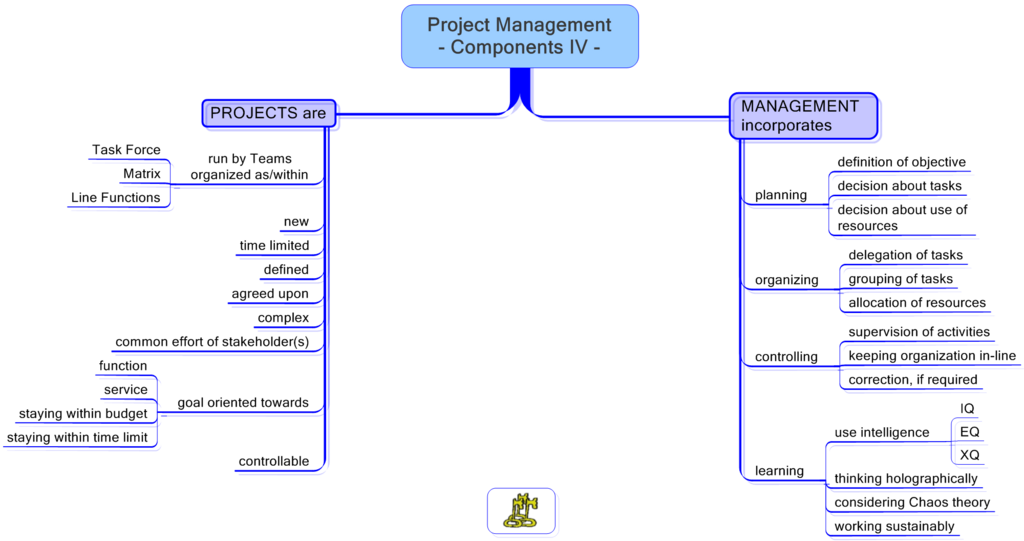
Effective project management leads to better resource allocation, as people and funds are directed where they are most needed. It also establishes clear communication channels, so everyone on the team and all stakeholders know what's happening. By identifying potential issues early, it helps manage risks before they become major problems.
The Skills for Success
A great IT project manager needs a blend of technical knowledge and people skills. These can be broken down into two main categories: hard skills and soft skills.
Hard skills are the technical competencies needed to manage a project. This includes creating a schedule, managing the budget, identifying and planning for risks, and having enough technical understanding to communicate effectively with the development team.
Soft skills are just as important. These are the interpersonal skills that allow a manager to lead a team effectively. They include clear communication, leadership to motivate the team, strong problem-solving abilities when things go wrong, and negotiation to manage conflicting interests among stakeholders.
Time to check what you've learned.
Which of the following best describes a project, as opposed to an ongoing operation?
The IT project manager primarily acts as a communication bridge between the technical team and which other group?
Understanding these fundamentals is the first step. A project is a temporary effort to create something new, and an IT project manager is the leader who ensures it gets done successfully by balancing technical plans with human leadership.