IT Project Launch Strategies and Challenges
Introduction to IT Project Lifecycle
From Idea to Launch
Every IT project, from a simple mobile app to a massive software system, follows a path. This journey, from a spark of an idea to a finished product in users' hands, is called the project lifecycle. Think of it as a roadmap that guides a project from start to finish, ensuring that important steps aren’t missed along the way.
The project life cycle outlines the stages a project goes through from beginning to end.
While the details can vary, the basic stages are usually the same: coming up with the idea, planning the work, building the product, and finally, launching it. But how you move through these stages can make a huge difference. There isn't just one way to follow the map. Let's look at two popular approaches for managing this journey.
The Stage-Gate Approach
The Stage-Gate model is a traditional, structured approach. Imagine a factory assembly line with quality control checkpoints. The project is broken down into distinct phases, or "stages." At the end of each stage, there's a "gate" — a review meeting where key decision-makers look at the progress.
At each gate, they ask tough questions. Is the project still on track? Is it still a good idea? Based on the answers, they make a Go/Kill decision: either approve the project to move to the next stage or stop it before more resources are wasted. This process continues until the project is either completed or canceled.
This method is great for projects where the requirements are well-understood from the beginning and unlikely to change, like building a bridge or a new office building. It helps manage risk by forcing regular check-ins. However, it can be slow and rigid, which isn't ideal for the fast-paced world of software, where customer needs can change overnight.
The Lean Startup Way
The Lean Startup methodology offers a more flexible and modern alternative. Instead of building a full-featured product in secret and hoping people will like it, this approach focuses on speed, learning, and customer feedback. The core idea is a simple loop: Build, Measure, Learn.
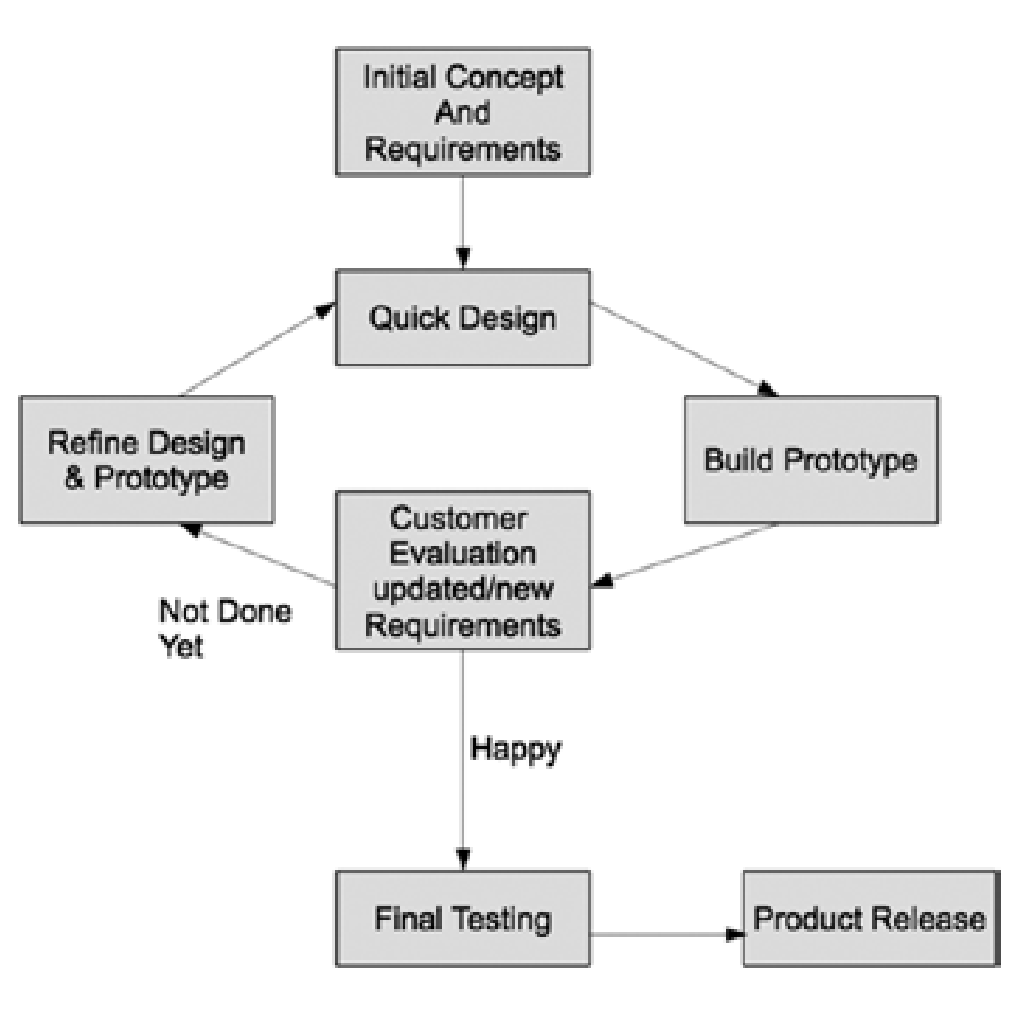
Here’s how it works:
- Build: Create a Minimum Viable Product (MVP). This is a bare-bones version of the product with just enough features to be usable by early customers.
- Measure: Release the MVP to a small group of users and collect data on how they use it. Are they using the features you thought were important? What are they ignoring?
- Learn: Analyze the data and user feedback to learn what's working and what isn't. This learning informs the next cycle.
Based on what you learn, you either persevere with your idea and build the next set of features, or you pivot and change direction. This cycle repeats, allowing the product to evolve based on real-world evidence, not just assumptions. This approach minimizes the risk of building something nobody wants.
Choosing the right lifecycle model depends on the project. A structured, predictable project might benefit from the Stage-Gate model's control. A new venture exploring an unproven idea is a perfect fit for the Lean Startup's agility.
Ready to check your understanding of these project lifecycle approaches?
What is the primary purpose of a 'gate' in the Stage-Gate project lifecycle model?
Which of the following projects is best suited for the Lean Startup methodology?
Understanding these frameworks is the first step in navigating the complex but exciting journey of bringing an IT product to life.