IT Project Fundraising Essentials
Fundraising Fundamentals
The Fundraising Journey
Getting a new IT project or company off the ground almost always requires cash. Fundraising is the process of getting that capital, and it’s a journey with its own map and milestones. It isn’t just about asking for money; it's a structured process that aligns your project's growth with the right kind of financial support at the right time. The path is often broken down into distinct stages, each with its own goals and players.
Stages of Funding
Startups evolve. Their funding needs change as they grow from a rough idea into a full-fledged business. The funding lifecycle mirrors this evolution, providing different levels of capital as the company hits key milestones and reduces risk. It starts small, with early funding focused on validating an idea, and grows to larger rounds aimed at scaling the business rapidly.
While this progression is typical for high-growth tech startups, not every project needs to follow this exact path. The key is to seek the right amount of funding for your current stage, proving you can use capital efficiently before asking for more.
A startup may go through many stages of venture capital funding as it develops, such as a seed investment, early-stage funding rounds, and late-stage funding rounds.
Sources of Capital
Just as there are different stages of funding, there are different sources of money. Each source comes with its own set of expectations, benefits, and drawbacks. Choosing the right one depends on your project's needs, stage, and long-term goals. Let's look at the most common types.
| Funding Source | Typical Amount | Best For... | Key Feature |
|---|---|---|---|
| Angel Investors | $25k - $500k | Pre-seed, Seed | Individuals investing their own money. |
| Venture Capital | $1M+ | Series A and later | Firms investing pooled money into portfolios. |
| Crowdfunding | Varies widely | Early-stage validation | Raising small amounts from many people. |
| Grants | Varies | Research, social impact | Non-dilutive funding (no equity given up). |
Angel investors are wealthy individuals who provide capital for startups, usually in exchange for equity. They often bring valuable industry experience and mentorship along with their funds. They're common in the earliest stages when the risk is highest.
Venture Capital (VC) firms are professional investors. They manage large pools of money from institutions and invest it in a portfolio of promising young companies. VCs typically invest much larger sums than angels and take a more active role, often taking a seat on the company's board of directors. They expect massive returns on their investment.
Crowdfunding platforms like Kickstarter or Indiegogo allow you to raise money from a large number of people online. This can be a great way to validate an idea and build a community around your product before it's even built. Funding is often given in exchange for future products or perks rather than company equity.
Grants are funds provided by governments, foundations, or corporations for a specific purpose, often related to research, development, or social good. The best part about grants is that you usually don't have to give up any ownership in your company. However, the application process can be long and competitive.
Building Your Strategy
Successful fundraising requires a clear strategy. You can't just ask for money without a plan. A solid strategy has three core components: clear objectives, an understanding of investor expectations, and the right documentation to back it all up.
Your first step is to define your objectives. Know exactly how much money you need and, just as importantly, what you will do with it. Investors want to see a clear plan for how their capital will be used to achieve specific milestones.
Next, understand what investors expect in return. They aren't donating money; they are making an investment and anticipate a significant return, often through an exit event like an acquisition or an Initial Public Offering (IPO). This means you need to show them a credible path to massive growth. They'll evaluate your team, your market size, your product, and your business model to gauge the potential.
Finally, you need the documentation to tell your story. This includes:
- A Business Plan: A detailed document outlining your business goals, strategies, market analysis, and organizational structure.
- Financial Projections: Forward-looking statements that forecast your company's future revenue, expenses, and profitability. This shows investors how you plan to become a successful business.
- A Pitch Deck: A concise presentation, often 10-15 slides, that summarizes the key points of your business plan. This is the tool you'll use to initially present your company to potential investors.
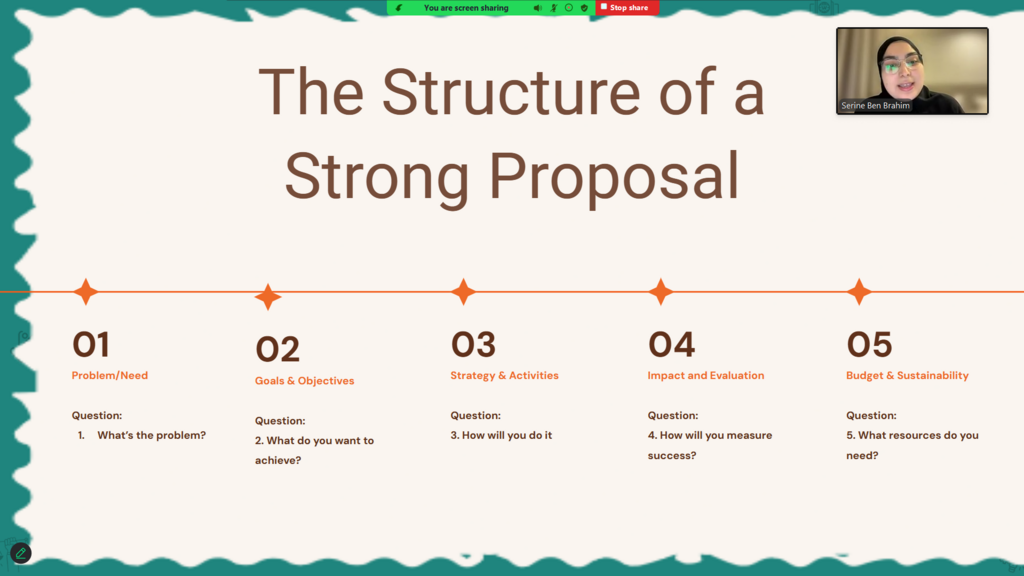
With these elements in place, you create a compelling case for why someone should invest in your vision. It transforms fundraising from simply asking for money into a professional process of securing a partner for your company's growth.
What is the primary reason that startup fundraising is structured in distinct stages?
Which of the following best describes a key difference between Angel Investors and Venture Capital (VC) firms?