IT Helpdesk Tiers Explained
Introduction to IT Support
The Structure of IT Support
When your computer freezes or an application won't launch, you turn to IT support. This isn't just one person, but a structured team designed to solve problems efficiently. Most IT departments organize their support into tiers, or levels, to make sure issues are handled by the right people at the right time. Think of it like a hospital's emergency room. A nurse first assesses your situation before you see a general doctor or a specialist.
Fundamentally, IT support is a collection of services meant to help consumers with technology-related problems and ensure that digital systems are operating properly.
This tiered system ensures that common, simple problems are resolved quickly, freeing up experts to focus on more complex challenges. It's all about efficiency. Without this structure, highly skilled engineers could spend their entire day resetting passwords, while users with critical system failures wait in a long queue.
Level 1 The First Line of Defense
Level 1 (L1) support, often called the help desk or service desk, is the initial point of contact for any user with a tech issue. Their primary job is to gather information, identify the user's problem, and resolve it using pre-defined procedures or scripts. L1 technicians handle a high volume of common and straightforward requests.
Success at this level is about more than just technical skill. It requires excellent communication and customer service. L1 staff need to be patient and empathetic, guiding users who may be frustrated or have little technical knowledge.
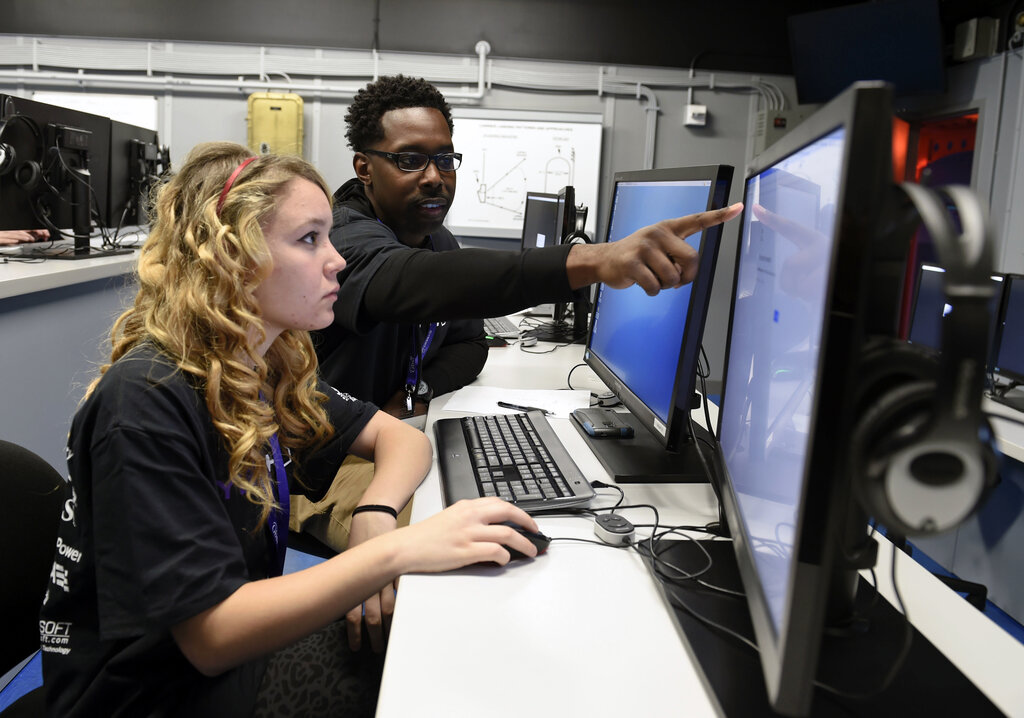
They are responsible for logging every request in a tracking system, which creates a record of the issue and the steps taken to fix it. This documentation is crucial for tracking trends and for other technicians if the problem needs to be escalated.
| L1 Responsibility | Example Issue |
|---|---|
| Password Resets | A user is locked out of their account. |
| Basic Software Support | Helping a user install approved software like a web browser. |
| Hardware Troubleshooting | A user's monitor isn't turning on or a mouse is unresponsive. |
| Connectivity Issues | A user can't connect to the office Wi-Fi. |
| User Account Creation | Setting up a new employee with system access. |
Level 2 The Technical Specialists
When an issue is too complex for Level 1 support, it gets passed on to Level 2 (L2). These technicians have more experience and deeper technical knowledge. While L1 support might follow a script, L2 staff perform in-depth troubleshooting and analysis to get to the root cause of a problem.
They might deal with server issues, complex network problems, or software bugs that affect multiple users. L2 technicians often have specialized knowledge in specific systems, such as networking, databases, or certain business applications. They work with the information gathered by L1 to continue the investigation without making the user repeat themselves.
| L2 Responsibility | Example Issue |
|---|---|
| Advanced Troubleshooting | A software application keeps crashing for an entire department. |
| Server Maintenance | Investigating why a company file server is slow. |
| Network Diagnostics | Resolving an internet outage affecting an entire office floor. |
| Security Incidents | Analyzing a suspected phishing attack. |
| Database Issues | Restoring data from a backup after a user accidentally deletes it. |
Why Escalation Matters
The process of moving an issue from L1 to L2 is called escalation. A clear escalation procedure is vital for an effective IT support system. It ensures that problems don't get stuck and that user issues are resolved as quickly as possible.
Good escalation works in two directions. L2 technicians not only solve complex problems but also identify patterns. If they notice many tickets are being escalated for the same issue, they can create a new procedure or script for the L1 team. This empowers the help desk to solve more problems on the first call, improving efficiency for everyone.
A smooth escalation path means users get their problems solved faster, and support technicians can focus on the tasks best suited to their skill level.
Now that you understand the different tiers of IT support and how they work together, let's test your knowledge.
What is the primary reason for organizing IT support into a tiered system?
A user calls the help desk because they can't log in to their email and need a password reset. Which support level is the initial point of contact for this issue?
Understanding these foundational roles is the first step in exploring a career in information technology. Each level offers unique challenges and opportunities to build valuable skills.