IT Help Desk Fundamentals
Introduction to IT Support
The Backbone of Business
Every modern organization relies on technology. When that technology fails, work grinds to a halt. This is where Information Technology (IT) support comes in. Think of an IT support team as the pit crew for a company. They work behind the scenes to keep computers, networks, and software running smoothly, so everyone else can do their jobs without interruption.
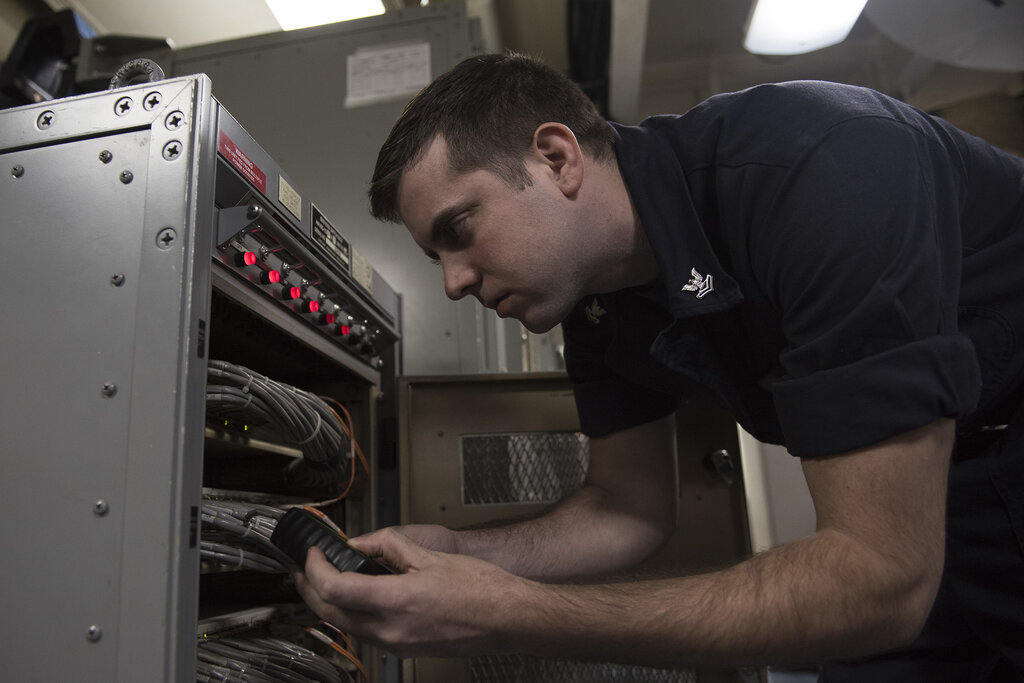
The core role of IT support is to provide help and resolve technical problems for users. This isn't just about fixing broken laptops. It's about managing the entire technological ecosystem of a business, from setting up a new employee's computer to ensuring the company's network is secure and efficient. Without a capable support team, minor issues can quickly become major productivity killers.
The Tiers of Support
IT issues range from simple to incredibly complex. A forgotten password requires a different skill set than a company-wide server outage. To handle this variety efficiently, most organizations structure their IT support into different levels, or tiers. This tiered system ensures that problems are addressed by the right people at the right time.
This structure is not rigid. The goal is always to solve the problem as quickly and efficiently as possible. A well-organized tiered system prevents specialists from getting bogged down with simple requests and ensures that users get the help they need from the person best equipped to provide it.
Level 1 support serves as the front line of IT helpdesk assistance, handling initial inquiries, basic problems, and routine issues.
Tier 1 is the first point of contact, often called the help desk. These technicians handle the most common and straightforward issues. They gather information from the user and try to resolve the problem using a knowledge base or standard procedures. If the issue is beyond their scope, they escalate it to Tier 2.
Tier 2 IT support addresses advanced technical issues that exceed basic troubleshooting, requiring specialized expertise and in-depth problem-solving.
Tier 2 support staff have more technical expertise and experience. They tackle the more complex problems that Tier 1 couldn't solve. This might involve deeper diagnostics, remote access to the user's computer, or fixing backend issues.
Tier 3 is the highest level of support. This tier is typically composed of specialists with expert-level knowledge, such as network engineers, system administrators, or even the original software developers. They handle the most difficult or novel problems that require deep analysis and may lead to creating new solutions.
A Day in the Life
The daily tasks of an IT support professional are varied. While every day is different, some common responsibilities form the core of the job.
| Task | Description |
|---|---|
| Troubleshooting | Diagnosing and resolving hardware, software, and network problems. |
| User Account Management | Creating accounts for new employees, resetting passwords, and managing permissions. |
| System Maintenance | Installing software updates, running backups, and monitoring system performance. |
| Documentation | Creating guides and recording solutions to common problems for future reference. |
| User Training | Showing employees how to use new software or hardware effectively. |
Ultimately, IT support is a problem-solving role that requires both technical knowledge and strong communication skills. It's about helping people use technology to succeed.
What is the primary function of an IT support team in a modern organization?
An employee has forgotten their password and cannot log into their email. Which IT support tier would most likely handle this request first?