IT Fundamentals Explained
Introduction to IT
What is Information Technology?
At its core, Information Technology, or IT, is the use of computers to store, retrieve, transmit, and manipulate data or information. Think of it as the entire ecosystem that lets us use technology to manage information. It's the silent partner in almost everything we do, from sending a text message to streaming a movie.
Information Technology
noun
The use of computer systems, networks, storage, and other physical devices and processes to create, process, store, secure, and exchange all forms of electronic data.
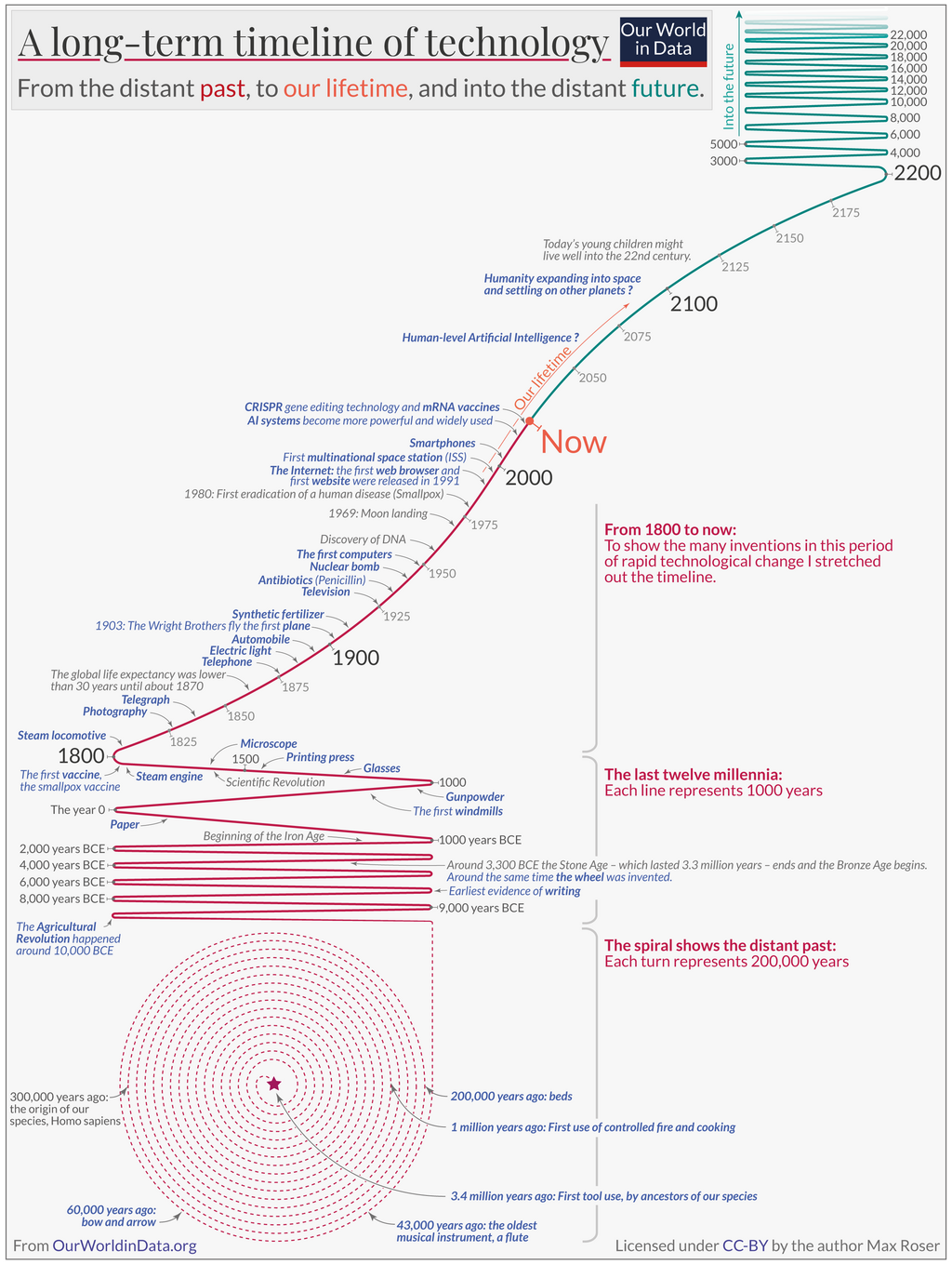
This field didn't appear overnight. It's the result of a long evolution of tools and ideas, from the earliest calculating machines to the powerful, interconnected systems we rely on today. Each step built upon the last, making technology smaller, faster, and more accessible.
The Building Blocks of IT
Every IT system, whether it's a simple smartphone or a massive corporate server, is built from the same four fundamental components. Understanding these parts helps demystify how technology works.
1. Hardware: This refers to the physical components of a system. It's anything you can touch, from the smartphone in your pocket and the laptop on your desk to the massive servers in a data center. Hardware is the body of the system.
2. Software: If hardware is the body, software is the brain. It's the set of instructions, programs, and applications that tell the hardware what to do. Your operating system (like iOS or Windows) and the apps you use every day are all software.
3. Networks: These are the communication channels that connect hardware devices and allow them to share data. The internet is the largest example of a network, but your home Wi-Fi is also a network. They are the nervous system that lets the different parts talk to each other.
4. Data: This is the raw material of the information age. Data consists of unprocessed facts, figures, and symbols. When this data is processed and organized by software on hardware, it becomes meaningful information. Your contacts, photos, and documents are all examples of data.
IT's Impact on Everything
It's difficult to find an industry or aspect of modern life that hasn't been transformed by IT. In healthcare, it enables electronic health records and advanced medical imaging. In finance, it powers online banking and global stock markets. In entertainment, it delivers streaming services and immersive gaming.
IT makes businesses more efficient, connects people across the globe, and provides access to a vast universe of information. From managing supply chains to facilitating remote work, the role of IT is to solve problems, increase productivity, and create new possibilities.
These foundational concepts provide a starting point for understanding a complex and ever-changing field. Every new technological advance is built upon these same core principles of hardware, software, networks, and data.
Which of the following best defines Information Technology (IT)?
If hardware is the 'body' of a computer system, what is the 'brain' that tells the hardware what to do?