IT Career Trends for 2026
Introduction to Emerging IT Fields
The Shifting Tech Landscape
The world of Information Technology (IT) doesn't just change, it accelerates. The tools, programming languages, and platforms that are essential today might be legacy systems in just a few years. This constant evolution isn't something to fear. It's an opportunity. Staying ahead of the curve is the single most important skill for a long and successful career in tech.
Think of it like this: a carpenter from 100 years ago would still recognize the hammers and saws of today. But an IT professional from just a decade ago would be lost in the modern world of cloud-native applications, AI-driven development, and ubiquitous data science. The pace of change is relentless. That's why understanding the next wave of technology is more valuable than just mastering the current one.
The key to a long and successful IT career is not just knowing today's tools, but anticipating tomorrow's.
What Drives the Change?
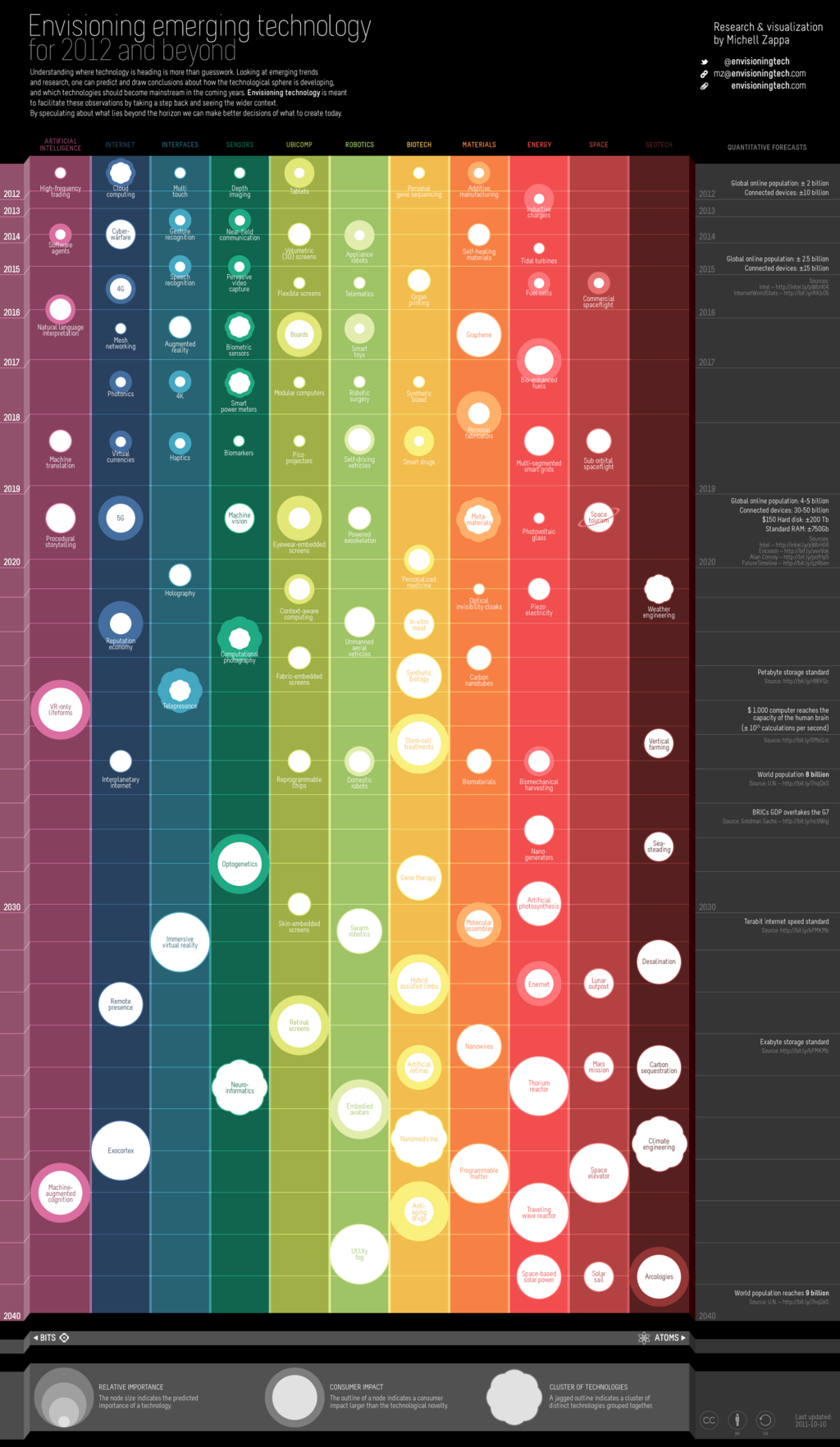
This rapid change isn't random. It's driven by a few powerful forces. First, computing power continues to grow exponentially while becoming cheaper. This makes previously impossible ideas, like running complex AI models on a phone, a reality. Second, we are creating and collecting data at an unimaginable rate. Every click, every purchase, and every connected device generates information, creating a massive need for new ways to store, process, and analyze it. Finally, the world is more connected than ever. The Internet of Things (IoT) is linking everything from coffee makers to industrial sensors, opening up entirely new fields of technology and innovation.
Continuous learning is essential for a career in technology.
Why This Matters For Your Career
Understanding these emerging fields is crucial for your career. Every major technological shift creates new job roles that didn't exist before and makes others obsolete. Ten years ago, a "Prompt Engineer" or a "Cloud Security Specialist" would have sounded like science fiction. Today, they are in-demand, high-paying jobs.
By learning to identify these trends, you're not just preparing for a job in 2026. You're developing the mindset to adapt and thrive for your entire career. You'll be able to spot opportunities, learn the right skills at the right time, and position yourself as a valuable, forward-thinking professional in an ever-changing industry.
Let's check your understanding of these foundational concepts.
What is the primary reason continuous learning is considered more critical for an IT professional than for a traditional craftsperson like a carpenter?
Which of the following was NOT mentioned as a major force driving the rapid evolution of technology?
This course will equip you with the skills to look ahead, understand what's coming, and build a career that lasts.