IT and Business Orchestration Essentials
Introduction to Orchestration
What Is Orchestration?
Think of an orchestra conductor. They don't play any instruments themselves. Instead, they coordinate dozens of musicians to create a single, harmonious piece of music. Each musician knows how to play their part, but the conductor ensures they play the right part at the right time, at the right speed, and in sync with everyone else.
In the world of technology and business, orchestration does a similar job. It's the automated coordination of multiple systems, applications, and tasks to execute a complex workflow. Instead of musicians, you have different software services. Instead of a conductor, you have an orchestration tool. The goal is the same: to make many separate parts work together seamlessly to achieve a single, larger goal.
Orchestration isn't just about doing one thing automatically. It's about managing the entire end-to-end process, including all the handoffs, dependencies, and decisions along the way.
Automation vs. Orchestration
It's easy to confuse orchestration with automation, but they aren't the same. Automation is about making a single, repetitive task run on its own. Think of an automatic toaster. You put bread in, press a button, and it automatically gives you toast. The task is simple and self-contained.
Orchestration is the process of linking multiple automated tasks together to form a cohesive workflow. To continue the analogy, orchestrating breakfast would involve not just the automated toaster, but also a coffee machine that starts brewing automatically when your alarm goes off and an electric skillet that cooks your eggs for a precise amount of time. Orchestration ensures the toast is ready just as the eggs finish and the coffee is brewed, delivering a complete, coordinated meal.
Automation
noun
The use of technology to perform a single task or a series of tasks without human intervention.
In short, automation focuses on a single task, while orchestration manages the entire process. You can have automation without orchestration, but orchestration almost always involves managing a series of automated tasks.
Key Benefits
Orchestrating complex workflows provides significant advantages. The most important benefits are efficiency, reliability, and scalability.
Improved Efficiency: By automating the entire process, not just pieces of it, orchestration eliminates the need for manual intervention between steps. This saves time, reduces delays, and allows employees to focus on more strategic work.
Reduced Errors: Manual handoffs between different systems or teams are a common source of errors. Orchestration ensures that processes are executed consistently and correctly every time, following predefined rules and logic. This drastically improves the reliability of your operations.
Enhanced Scalability: When a process is orchestrated, it's much easier to scale. Need to process 10,000 online orders instead of 100? An orchestrated system can handle the increased load by automatically allocating the necessary resources without needing a bigger team to manage the workflow.
The human role shifts from mechanical repetition to orchestration and decision-making.
A real-world example is new employee onboarding. The process involves multiple departments: HR needs to collect paperwork, IT needs to set up accounts and provide a laptop, and Finance needs to add the employee to payroll. An orchestrated workflow can manage this entire sequence automatically. When HR marks the new hire paperwork as complete, the system can trigger a request to IT to create accounts and then notify Finance to begin payroll, all without a single email or manual request.
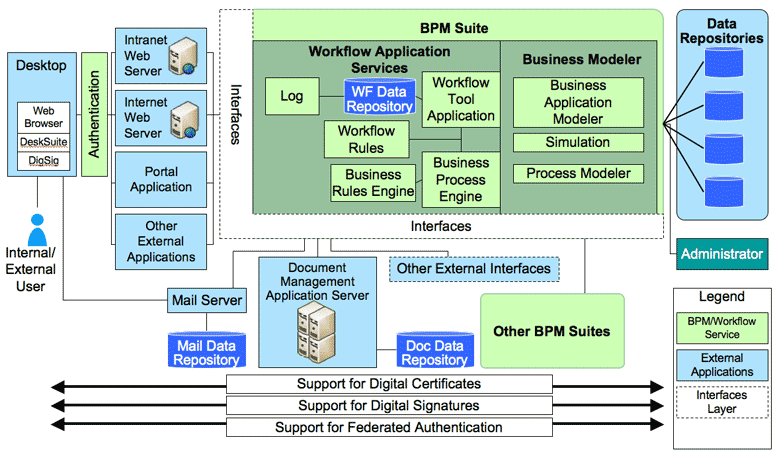
This kind of connected, automated process is at the heart of modern, efficient enterprises. By thinking beyond single tasks and focusing on the entire workflow, orchestration helps businesses run smoother, faster, and with fewer mistakes.
Time to check what you've learned.
What is the primary role of orchestration in a business process?
According to the breakfast analogy, which of these represents orchestration?
Orchestration is a powerful concept that turns a collection of separate, automated tasks into a cohesive and efficient process. It's the key to managing complexity in an increasingly interconnected digital world.