Isometrics and the Stretch Reflex
Introduction to Isometric Exercises
Strength Without Movement
Imagine pushing against a solid brick wall with all your might. The wall doesn't move, and neither do your joints, but you can feel your muscles firing intensely. That's the essence of an isometric exercise: your muscles contract, but they don't change in length.
isometric
adjective
A type of muscle contraction that involves no change in the angle of the joint or the length of the muscle.
In an isometric contraction, you're generating force against an immovable object or by holding a position against gravity. This static hold builds strength, stability, and endurance in a very specific way. Unlike lifting a dumbbell, where your muscles shorten and lengthen, here the focus is on sustained tension.
Types of Isometric Holds
Isometric exercises generally fall into two categories, distinguished by how you create the resistance.
Yielding Isometrics: This involves holding a weight or your body in a fixed position, resisting the pull of gravity. Think of pausing mid-push-up or holding a squat position. You're preventing movement.
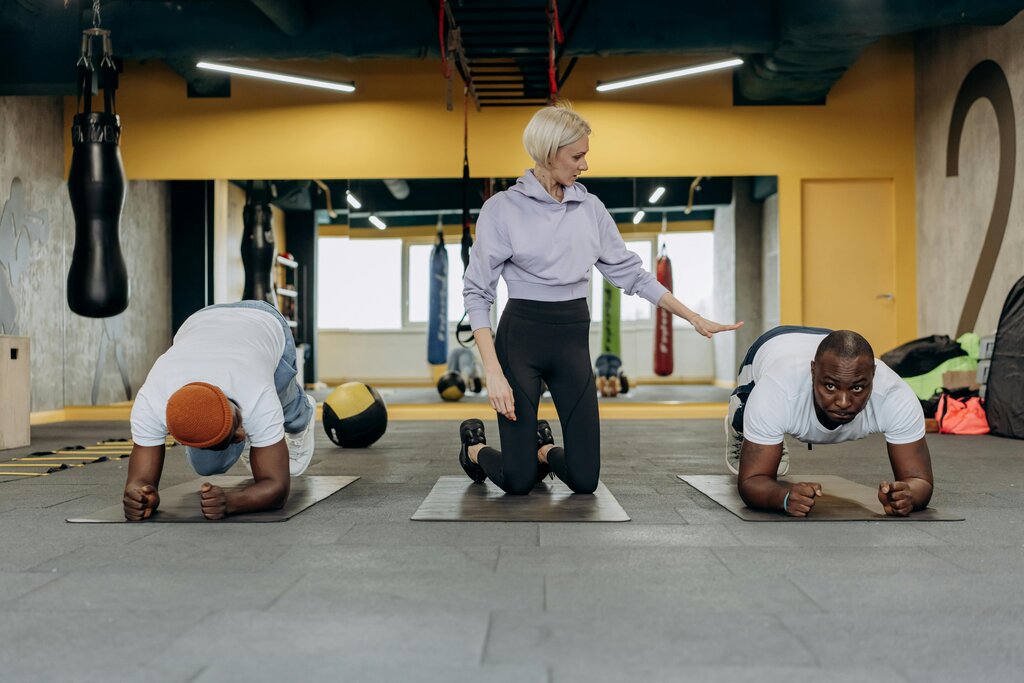
A classic example is the plank. Your core muscles work hard to keep your spine straight, fighting gravity's attempt to pull your hips toward the floor.
The second type takes a more active approach.
Overcoming Isometrics: This is when you push or pull against an immovable object. The wall push from earlier is a perfect example. You are actively trying to produce movement, but the resistance is too great.
Another way to do this is to have opposing muscle groups contract against each other, like pressing your palms together forcefully in front of your chest. Your chest and shoulder muscles engage, but your hands don't move.
Why Bother Holding Still?
Isometric exercises offer unique benefits. They are fantastic for building joint stability because they teach muscles to hold a position under load, which is crucial for controlling movement and protecting joints from injury.
They also allow you to increase time under tension, a key factor in building muscle endurance. Because there's no movement, you can hold a contraction for an extended period, challenging your muscle fibers in a different way than traditional reps.
In an isometric muscle contraction, some fibers in the muscle are pulled on by the contracting muscle - stretching the resting muscle fibers & contracting the tensing fibers.
One of the biggest advantages is their accessibility. You don't need a gym or special equipment. Many isometric exercises can be done anywhere, anytime, using only your body weight or a convenient wall. This makes them great for maintaining strength while traveling or when you can't get to a gym.
Common Isometric Exercises
Here are a few simple but effective isometric exercises you can try.
| Exercise | Type | Description |
|---|---|---|
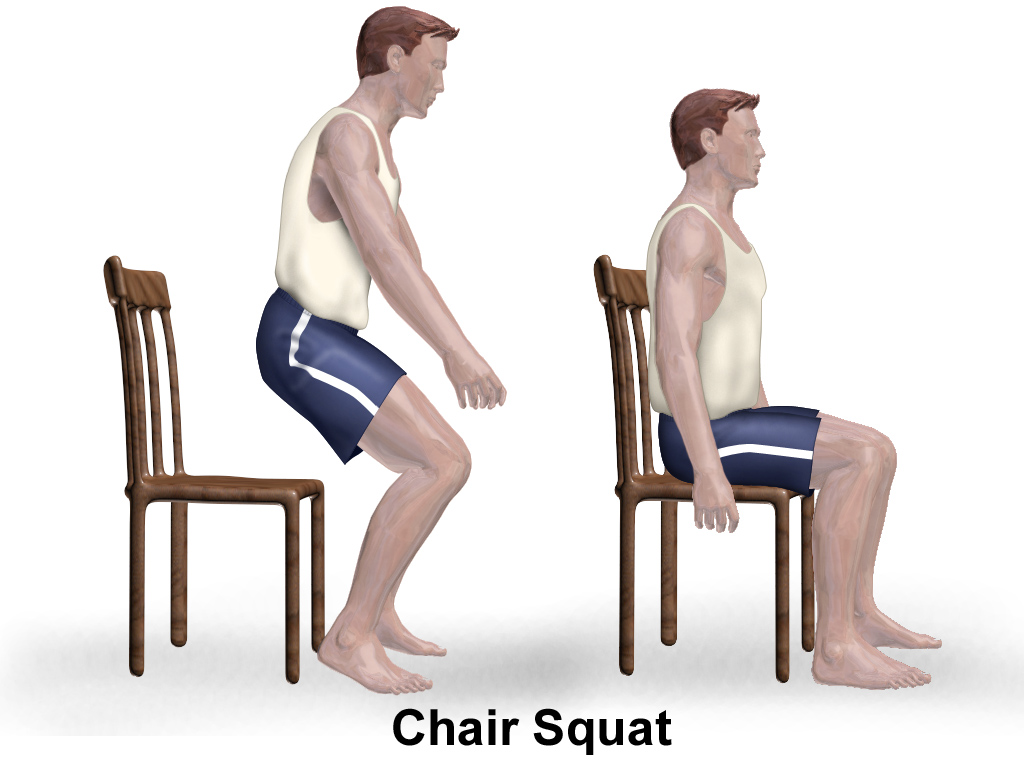
| Wall Sit | Yielding | Slide your back down a wall until your thighs are parallel to the floor, as if sitting in a chair. Hold the position. |
| Glute Bridge Hold | Yielding | Lie on your back with knees bent. Lift your hips toward the ceiling until your body forms a straight line from your shoulders to your knees. Squeeze your glutes and hold. |
| Plank | Yielding | Support your body on your forearms and toes, keeping your body in a straight line from head to heels. Hold. |
| Doorway Press | Overcoming | Stand in a doorway and press the backs of your hands outward against the frame. Engage your chest and shoulder muscles. |
For any of these exercises, focus on maintaining tension and breathing steadily. Start with shorter holds, maybe 10-15 seconds, and gradually increase the duration as you get stronger.
Let's check what you've learned about the fundamentals of isometric training.
What is the defining characteristic of an isometric muscle contraction?
Which of the following is a primary benefit of regularly performing isometric exercises?
These static holds are a powerful tool for building a strong, stable, and resilient body.