ISO 8583 Financial Messaging
Introduction to Financial Transaction Messaging
The Universal Language of Money
When you buy a coffee with your credit card, the transaction feels instant. You tap your card, and a moment later, you’re handed your latte. Behind that simple action, however, a rapid-fire conversation is taking place between multiple computer systems. Your bank, the coffee shop's bank, and the card network (like Visa or Mastercard) all need to communicate to approve the sale, check for funds, and move the money.
Imagine if each of these institutions spoke a completely different language. Your bank might send a message saying, "Authorize $5.00 purchase?" The shop's bank might be expecting something like, "Request for funds: five dollars." The whole system would grind to a halt. This is where financial transaction messaging comes in. It's the set of rules and formats that allows different financial systems to talk to each other in a common language.
Financial messaging is essentially a standardized digital language that ensures everyone from a small credit union to a global bank can understand and process a transaction securely and efficiently.
Why Interoperability Matters
The ability for diverse systems to communicate seamlessly is called interoperability. In finance, it's not just a convenience; it's a necessity. Without it, the global financial network couldn't function. Every bank would need to build custom connections for every other bank it deals with, creating a tangled, inefficient, and insecure web of communication.
Standardized messaging creates this interoperability. It ensures that when one system sends a request, the receiving system knows exactly what to look for and how to interpret it. This structure reduces errors, speeds up processing, and makes the entire system more secure by leaving less room for misinterpretation.
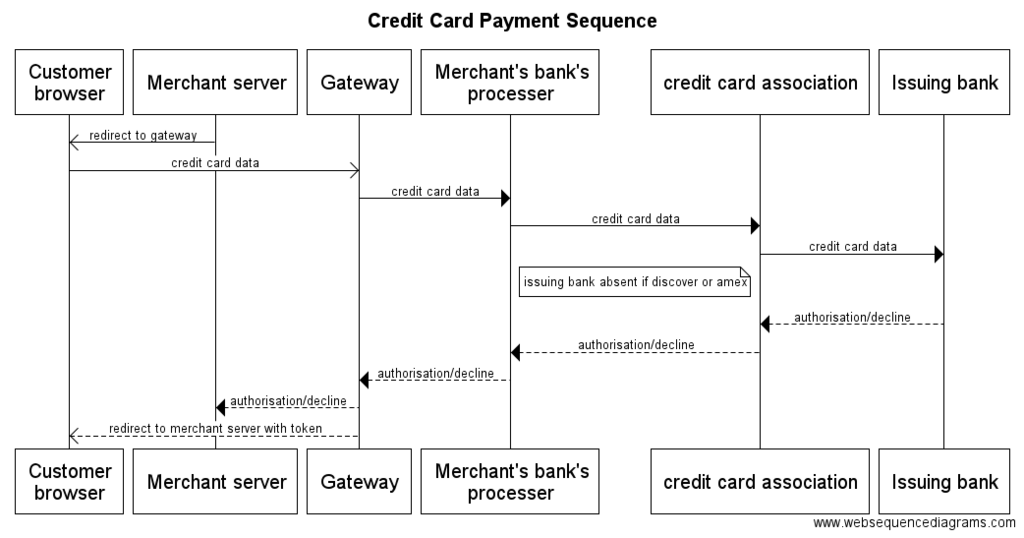
Think of it like sending a package. If everyone used a standard box, a standard address format, and a standard shipping label, the postal service could automate and speed up delivery. If every package was a different shape and had the address written in a unique code, each one would require manual, time-consuming effort to understand and deliver.
An Overview of Key Standards
Over the years, the financial industry has developed several messaging standards, each tailored for different purposes. You don't need to know the technical details, but it's helpful to recognize the big names and what they do.
| Standard Name | Primary Use Case |
|---|---|
| SWIFT | International wire transfers and communication between banks. |
| FIX Protocol | Real-time securities trading (stocks, bonds, etc.). |
| ISO 8583 | Card-based transactions (credit, debit, ATM). |
| ISO 20022 | A modern, universal standard designed to replace many older formats across all areas of finance. |
Each of these protocols defines the precise structure for messages related to its specific domain. They dictate what information must be included, where it goes, and how it's formatted. For card transactions, the industry has largely converged on ISO 8583, a highly reliable and widespread standard that we will explore in more detail.
It is critical to establish a consistent messaging protocol.
Understanding this foundation is key. The entire global economy relies on these invisible, high-speed conversations, all made possible by a shared commitment to speaking the same financial language.