ISO 42001 and ISO 27001 Explained
Introduction to ISO 42001
A Rulebook for AI
Imagine you're building something powerful, like a car engine. You wouldn't just assemble the parts and hope for the best. You'd follow a detailed plan to make sure it's safe, reliable, and efficient. ISO 42001 is that plan, but for artificial intelligence.
It’s the first international standard for AI management systems. Think of it as a framework that helps an organization build, use, and oversee AI in a structured and responsible way. Its main goal is to help companies establish, implement, maintain, and continually improve an AI Management System, or AIMS.
An AIMS is a formal system of policies, processes, and controls for managing AI systems throughout their entire lifecycle.
Who Is It For?
ISO 42001 isn't just for the tech giants building massive AI models. It applies to any organization that interacts with AI in a significant way. This generally falls into three main groups:
Whether you are a startup creating a new AI-powered app, a software company integrating a chatbot into your product, or a hospital using an AI to analyze medical images, this standard is designed to be relevant. It provides a common language and a set of expectations for responsible AI management across different industries.
Inside the Framework
The standard isn't a long list of technical specifications. Instead, it focuses on management processes. It's built around a continuous improvement cycle, much like other popular ISO standards.
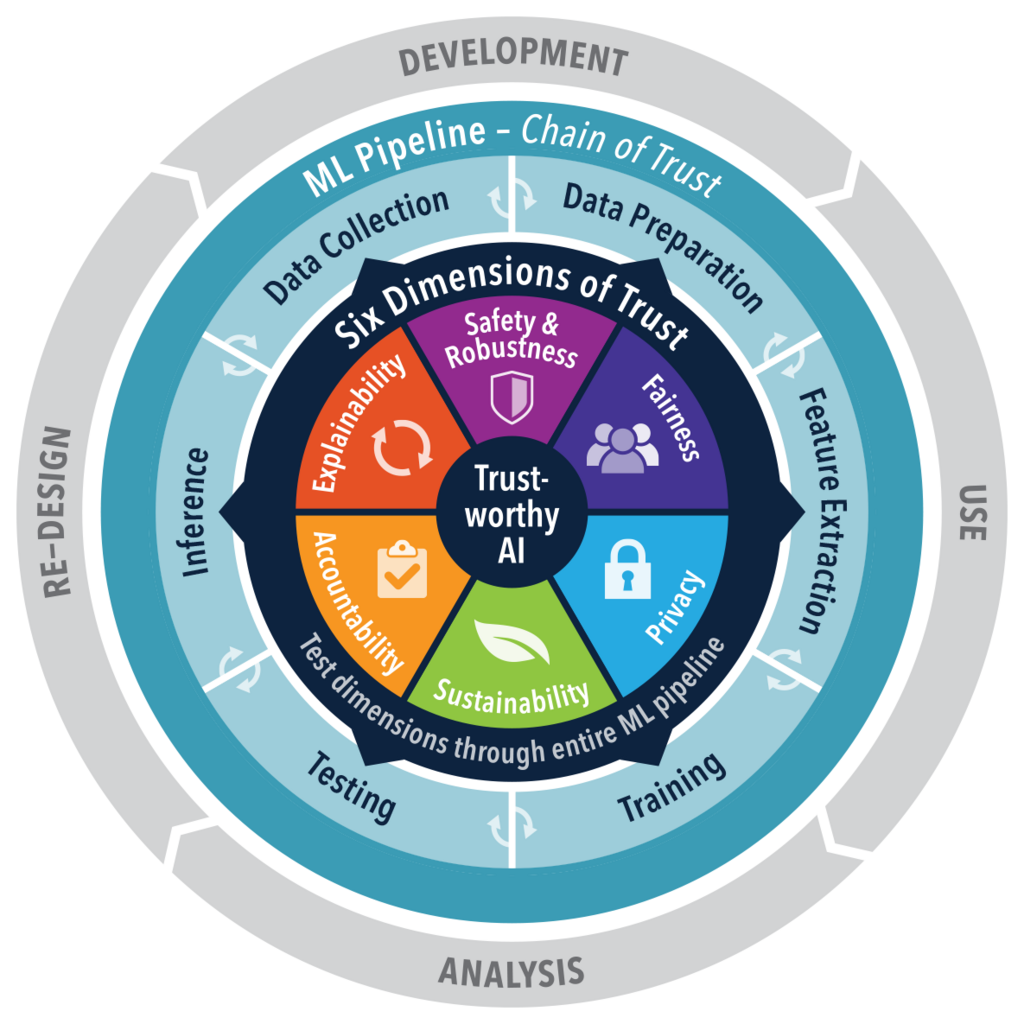
Some of the key components include:
-
AI Policy: Your organization needs a high-level policy that sets out its intentions and direction for AI. This is like a constitution for your AI activities, defining your commitment to ethical principles and responsible innovation.
-
Risk Assessment: You must systematically identify, analyze, and evaluate the risks associated with your AI systems. This could include anything from biased decision-making and privacy violations to safety concerns and unintended societal impacts.
-
Data Management: AI systems are fueled by data. The standard requires clear processes for managing the data used to train and operate AI, covering its quality, provenance, and privacy.
-
Compliance: This involves ensuring your AI systems comply with legal, statutory, regulatory, and contractual requirements. It also means aligning with ethical guidelines and community expectations.
The Benefits of Adopting a Standard
Implementing a formal management system might seem like a lot of work, but it offers significant advantages. It moves an organization from an ad-hoc approach to a structured, deliberate one.
| Benefit | Why It Matters |
|---|---|
| Builds Trust | Demonstrates a commitment to responsible AI, reassuring customers, partners, and regulators. |
| Manages Risk | Provides a structured process to identify and mitigate potential harms before they escalate. |
| Ensures Compliance | Helps navigate the complex and evolving landscape of AI laws and regulations. |
| Drives Consistency | Creates a clear, repeatable process for governing AI projects across the organization. |
Ultimately, adopting ISO 42001 helps an organization use AI not just effectively, but also ethically and safely. It's about building a foundation of trust for a technology that is rapidly changing our world.
What is the primary purpose of ISO 42001?
True or False: The ISO 42001 standard is only intended for large, multinational technology companies that build foundational AI models.