Ismailism Explained
Introduction to Ismailism
The Ismaili Path
Ismailism is a significant branch of Shia Islam, with followers spread across more than 25 countries. Like all Shia Muslims, Ismailis believe that after the Prophet Muhammad's death, leadership of the Muslim community was passed down through his family. This line of hereditary leaders is known as the Imamate.
Where Ismailis diverge from other Shia groups is in the line of succession. Their history begins with a specific disagreement over who was the rightful seventh Imam. This moment defined their path and led to a unique theological and philosophical tradition within Islam.
A Fork in the Road
The story of Ismailism begins in the 8th century after the death of the sixth Shia Imam, Ja'far al-Sadiq. He was a revered scholar and a descendant of the Prophet Muhammad. Before his death, he had designated his eldest son, Isma'il ibn Ja'far, as his successor.
However, Isma'il reportedly died before his father. This created a succession crisis. One group of followers believed the Imamate should pass to Ja'far's next oldest son, Musa al-Kazim. This group eventually became the Twelvers, who are the largest branch of Shia Islam today.
Another group held that Isma'il was the true seventh Imam. Some believed he had not actually died but had gone into hiding (a state known as ghayba or occultation). Others accepted his death but argued the Imamate must pass through his lineage, to his son Muhammad ibn Isma'il. These followers became known as the Ismailis.
For much of their early history, the Ismaili Imams lived in hiding to avoid persecution from the ruling Abbasid Caliphate. During this time, a network of missionaries, or da'is, spread Ismaili teachings secretly throughout the Muslim world, from North Africa to Central Asia.
A Golden Age
The period of concealment ended dramatically in the 10th century with the establishment of the Fatimid Caliphate. An Ismaili Imam, Abdullah al-Mahdi Billah, emerged from hiding and established a powerful dynasty that challenged the Abbasids. The Fatimids first ruled from North Africa and eventually conquered Egypt in 969 CE, where they founded a new capital city: Cairo.
The Fatimid era was a golden age for the Ismailis. It was a time of great intellectual, cultural, and scientific achievement. The city of Cairo, with its Al-Azhar Mosque and university, became a major center of learning that attracted scholars from all over the world.
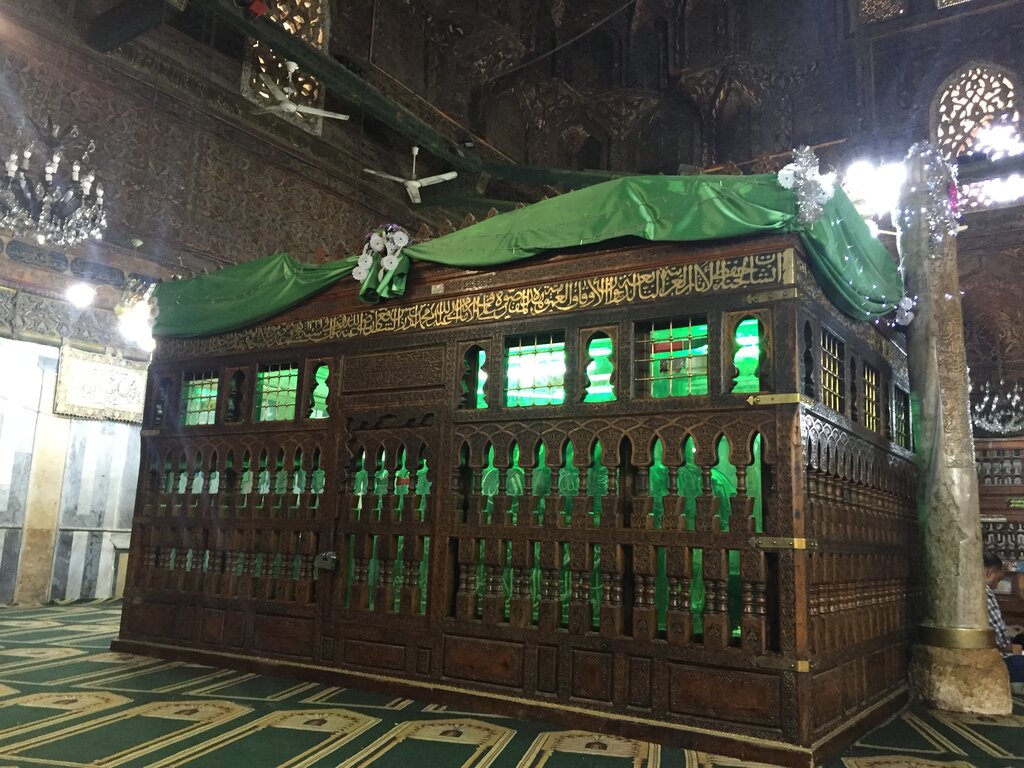
After the decline of the Fatimid Caliphate in the 12th century, the Ismaili community faced another succession dispute. This split the movement into two main branches, the Nizaris and the Musta'lis, which continue to this day. The Nizari branch gained fame under the leadership of Hassan-i Sabbah, who established a stronghold at Alamut in modern-day Iran. His followers became known for their devotion and strategic prowess, though their history is often shrouded in legend.
Core Beliefs
Ismaili thought is known for its balance between the outer, literal meaning of scripture and its inner, esoteric meaning. They believe that the Quran has two dimensions:
Zahir: The exoteric, or apparent, meaning of the text. This is accessible to everyone and includes religious laws and rituals.
Batin: The esoteric, or hidden, meaning. This deeper, spiritual truth can only be interpreted and taught by the Imam of the time.
This dual approach means that for Ismailis, the Imam is not just a political and religious leader but also an essential spiritual guide. He holds the authority to interpret the faith's inner meaning and guide the community according to the needs of the age. This concept of a living, present Imam is a cornerstone of Ismaili belief and distinguishes them from other Shia branches who believe the final Imam is in occultation.
The Ismaili branch of Shia Islam diverged from what would become the Twelver branch over the succession of the seventh Imam. Who did the early Ismailis consider the rightful successor to Imam Ja'far al-Sadiq?
A central concept in Ismaili thought is the dual meaning of the Quran: the outer, literal meaning (zahir) and the inner, esoteric meaning (batin). What is the primary function of the living Imam in this context?
This overview provides a foundation for understanding the Ismaili tradition's unique history and core principles, tracing its path from a succession dispute to a global community with a rich intellectual heritage.