Isle of Man Life and Culture
Geography and Demographics
An Island in the Middle
The Isle of Man sits right in the heart of the Irish Sea. It’s almost perfectly centered between England, Scotland, Ireland, and Wales. This unique position has shaped its history and culture, but its geography is a story in itself.
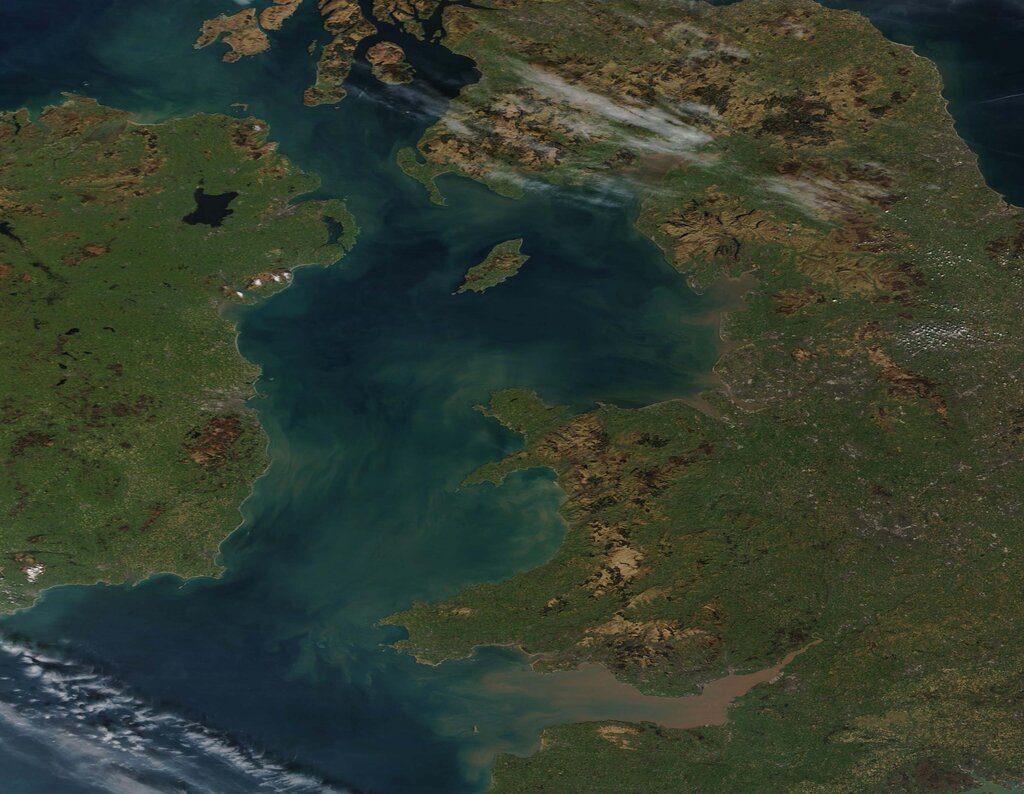
The island isn't huge. It's about 33 miles long and 13 miles wide, covering an area of 221 square miles (572 square kilometers). Despite its small size, it packs a lot of geographical variety into its borders.
Hills, Plains, and Coastline
The Isle of Man’s topography is often described as a miniature version of the British Isles. A central spine of hills runs down the middle, separating the flatter northern plains from the rolling southern landscape. These hills are not towering mountains, but they give the island a rugged character.
The highest point is Snaefell, which stands at 2,036 feet (621 meters). From its summit on a clear day, it’s said you can see the 'seven kingdoms': the Isle of Man, England, Scotland, Wales, Ireland, the sea, and heaven.
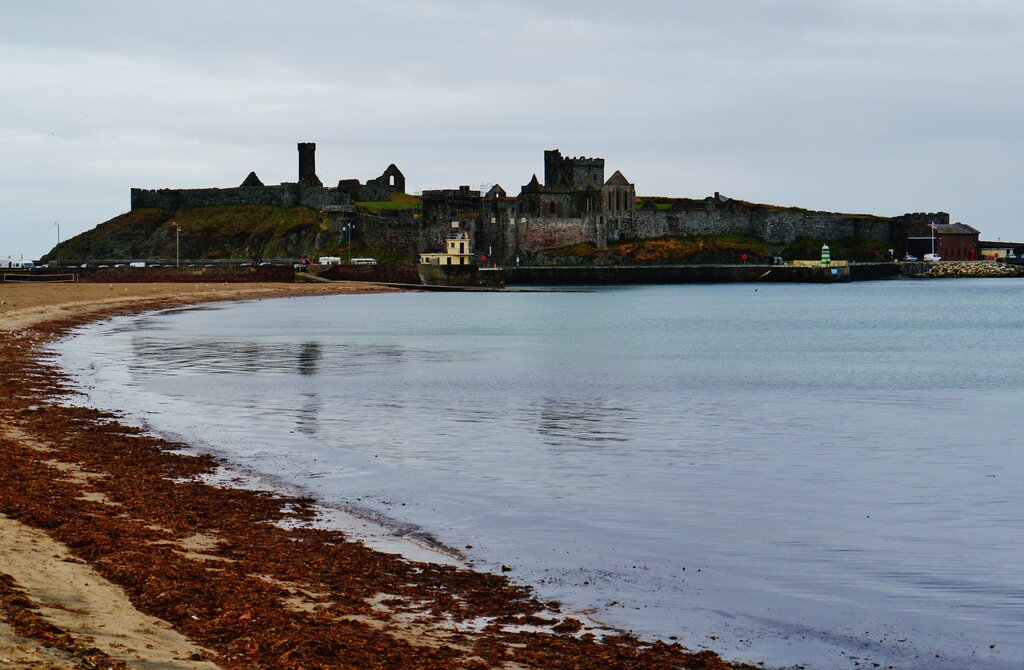
The northern plain is a stark contrast to the hilly interior. It's a low-lying, sandy area formed by glacial deposits. This part of the island is flatter and more agricultural. The coastline is dramatic and varied, with rocky cliffs, sheltered bays, and long sandy beaches. Over 100 miles of coastline ring the island, offering distinct scenery at every turn.
Climate and People
Thanks to the surrounding sea, the Isle of Man has a temperate maritime climate. This means winters are mild and summers are cool. Snow and frost are less common than in mainland UK, but the island gets its fair share of rain and wind, especially on higher ground.
The population of the Isle of Man is around 85,000 people. The residents are known as Manx. The population isn't spread evenly across the island. Most people live in coastal towns, with the capital, Douglas, being the largest.
| Town | Approx. Population |
|---|---|
| Douglas | 28,000 |
| Onchan | 9,000 |
| Ramsey | 8,000 |
| Peel | 5,000 |
These towns serve as the main centers for commerce, housing, and social life. The rural interior, especially the hilly regions, is much more sparsely populated, consisting mainly of farms and small villages. This distribution creates a blend of bustling town life and quiet, rural tranquility.
What geographical feature characterizes the northern part of the Isle of Man?
Where is the majority of the Isle of Man's population concentrated?
This combination of accessible towns, a rugged interior, and a temperate climate defines the physical and human landscape of the island.