Islamic Psychology Foundations
Introduction to Islamic Psychology
A Holistic View of the Self
Islamic psychology offers a unique perspective on human well-being. It views a person not just as a collection of thoughts and behaviors, but as an integrated whole, connecting the mind, body, and spirit. This approach is rooted in Islamic teachings that explore the deeper dimensions of human consciousness.
Islamic psychology teaches that the heart is central to human consciousness.
Unlike some Western psychological models that might treat spiritual matters as separate from mental health, Islamic psychology sees them as fundamentally linked. The goal is to achieve balance and tranquility by understanding the different facets of our inner world. Let's explore the three core components that make up this inner landscape.
The Heart, Intellect, and Soul
To understand ourselves from this perspective, we need to look at three key concepts: the qalb, the ‘aql, and the nafs. These Arabic terms describe distinct but interconnected parts of our consciousness.
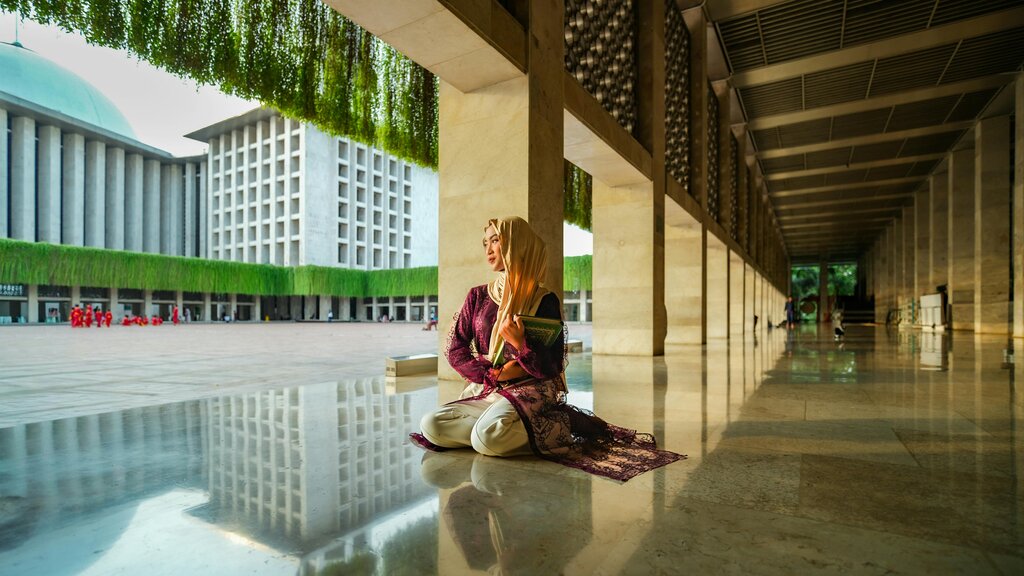
First is the qalb, or the heart. In this context, the heart is much more than the organ that pumps blood. It's considered the seat of spiritual insight, emotions, and true understanding. A healthy heart is one that is open, perceptive, and spiritually aware. It's the core of who we are.
Heart
Next is the ‘aql, or intellect. This refers to our capacity for reason, logic, and discernment. However, it's not just about raw intelligence. The intellect's purpose is to grasp reality and guide us toward making wise choices that align with our spiritual nature. It helps us understand the world and our place in it.
Intellect
Finally, there is the nafs. This is often translated as the self, ego, or soul. The nafs represents our desires, impulses, and the lower aspects of our consciousness. It's not inherently bad, but it needs guidance. Islamic teachings describe the nafs as existing in different states, from unruly and demanding to peaceful and content. The journey of self-development is largely about refining and training the nafs.
Self / Soul
Achieving Inner Balance
So how do these three elements work together? True well-being comes from creating harmony between them. A healthy individual is one where the intellect (‘aql) and the heart (qalb) are aligned, working together to guide the desires of the soul (nafs). When the heart is sound and the intellect is clear, the nafs can be directed toward positive and fulfilling actions, leading to a state of inner peace.
This integrated model differs from some secular approaches to psychology that may focus primarily on thoughts and behaviors without explicitly addressing the spiritual dimension. In Islamic psychology, healing and growth involve nurturing all aspects of our being. The spiritual journey and the path to mental and emotional health are seen as one and the same.
Embracing the Dar al Shifaa Wellbeing Framework means understanding that your spiritual journey and your mental/emotional health are intertwined.
Ultimately, this framework provides a comprehensive map for self-understanding and personal growth. It encourages a balanced life where our actions are guided by inner wisdom and a clear sense of purpose.
What is the primary role of the 'qalb' (heart) in the framework of Islamic psychology?
How does Islamic psychology view the relationship between mental health and spirituality?
This holistic view provides a foundation for understanding ourselves more deeply.