Islam An Overview
Introduction to Islam
A Message in the Desert
Islam began in the 7th century on the Arabian Peninsula, a land of vast deserts and bustling trade routes. The city of Mecca was a major hub, not just for commerce, but for religion. Its central shrine, the Kaaba, housed idols representing numerous gods and goddesses worshipped by the various Arab tribes.
This was a world of polytheism, tribal loyalties, and stark social divisions. It was into this environment that a new message of radical monotheism would emerge, carried by a man from Mecca.
The Messenger
Muhammad was born in Mecca around the year 570 CE. Orphaned at a young age, he was raised by his uncle and grew up to be a respected merchant known for his honesty and integrity. He was a reflective man, often retreating to a cave on Mount Hira to meditate on the troubles he saw in his society.
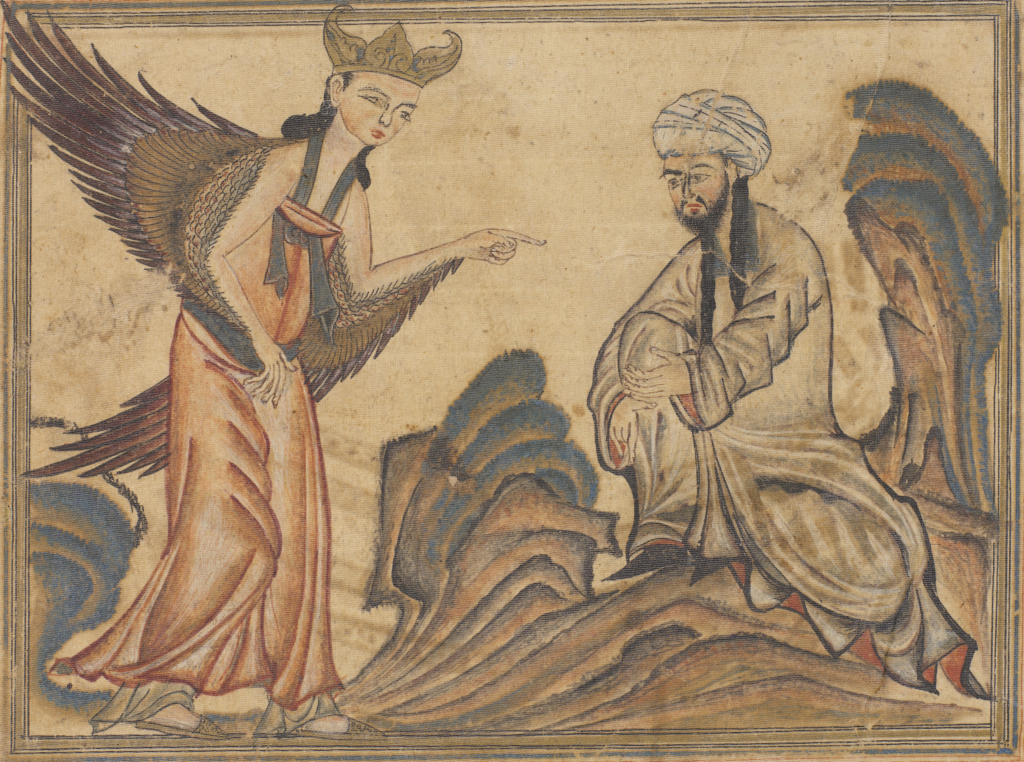
It was during one of these retreats, when he was about 40 years old, that Muslims believe he received his first revelation from God, delivered by the angel Gabriel. This event marked the beginning of his prophethood. The message was simple but profound: there is only one God, Allah, and humanity must submit to His will.
Muhammad's teachings challenged the polytheistic beliefs and social structures of Mecca, calling for an end to idol worship and advocating for justice, compassion, and care for the poor and vulnerable.
The Qur'an
The revelations Muhammad received would continue for the next 23 years. These divine messages were memorized by his followers and written down, later compiled into the holy book of Islam, the Qur'an.
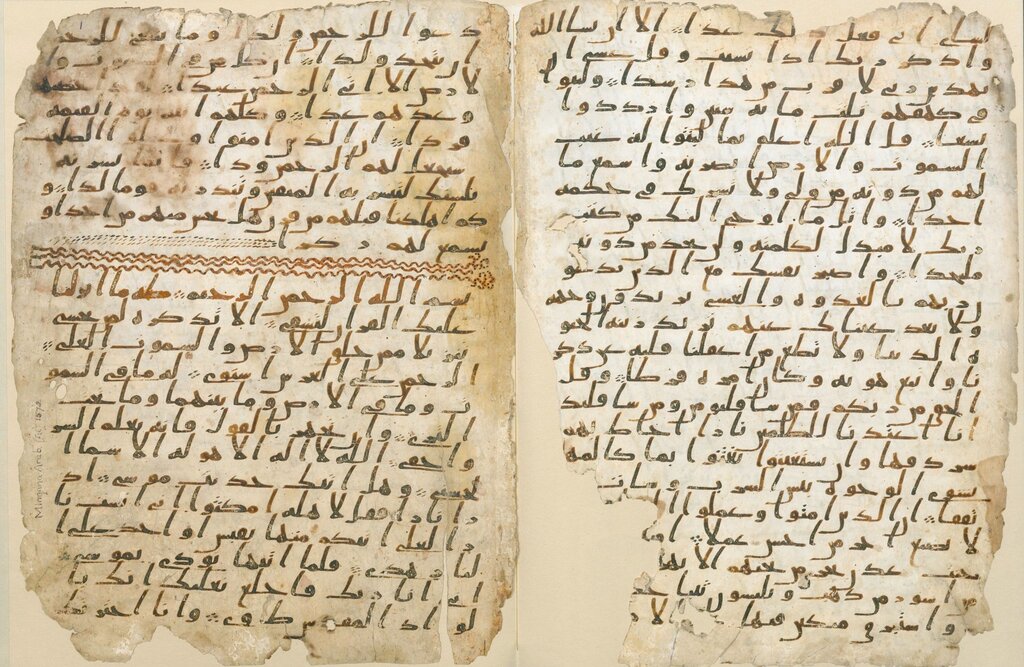
For Muslims, the Qur'an is the literal word of God, a perfect and unaltered guide for life. It was revealed in Arabic, and its poetic language is considered a miracle in itself. The very first word revealed to Muhammad was a command:
Recite
This highlights the central importance of knowledge, reading, and divine guidance in the Islamic faith. The Qur'an is divided into 114 chapters, called surahs, which cover everything from the nature of God to laws for personal conduct and social justice.
Core Beliefs and Practices
The foundation of Islamic belief is the concept of Tawhid.
Tawhid
noun
The central Islamic belief in the absolute oneness and indivisibility of God (Allah).
This belief in one, all-powerful, and merciful God is the core of Islam. Muslims also believe in a line of prophets sent by God to guide humanity, including Abraham, Moses, and Jesus, with Muhammad being the final prophet. They believe in holy books revealed to these prophets, in angels, in a final day of judgment, and in divine destiny.
These beliefs translate into a way of life. The core practices of Islam provide a framework for daily devotion, connecting a Muslim directly with God. These include acts like daily prayer (Salah), giving to charity (Zakat), and fasting during the month of Ramadan (Sawm). They are not just rituals, but are meant to instill discipline, gratitude, and a constant awareness of God.
What was the dominant religious environment in Mecca at the time of Muhammad's birth?
According to Islamic belief, how were the revelations that form the Qur'an delivered to Muhammad?