ISACA AISA Exam Fundamentals
Introduction to AI Auditing
What Is Artificial Intelligence?
Artificial intelligence, or AI, is the simulation of human intelligence in machines. These systems are programmed to think, learn, and solve problems like humans do. At its core, AI involves creating algorithms that can process vast amounts of data, identify patterns, and make predictions or decisions without explicit step-by-step instructions for every possible scenario.
Think of it this way: instead of programming a computer with a set of rigid rules, you give it a model and a goal, and it learns the rules itself by analyzing data. This ability to learn is what separates AI from traditional software.
The goal of AI is to create systems that can perform tasks that normally require human intelligence, such as visual perception, speech recognition, decision-making, and language translation.
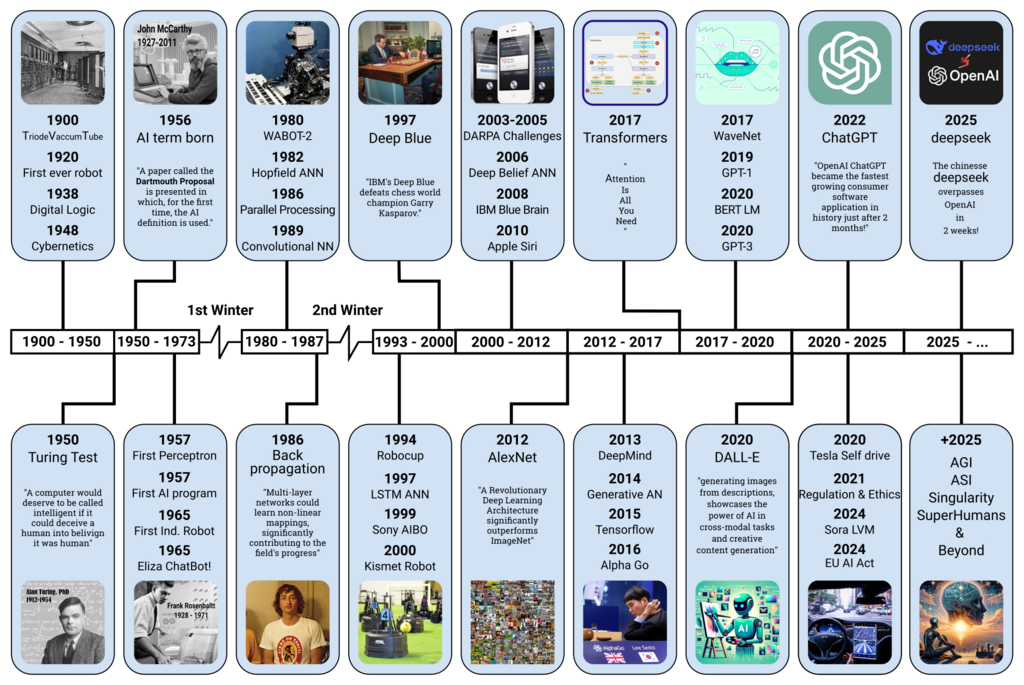
The idea of intelligent machines has been around for centuries, but the modern field of AI began in the mid-20th century. Early pioneers believed that a machine as intelligent as a human being would exist in a generation. While that timeline was optimistic, progress has accelerated dramatically in recent years thanks to more powerful computers and access to massive datasets.
AI in the Real World
AI is no longer just a concept from science fiction; it's a practical tool used across many industries. Its applications are widespread and growing every day.
In healthcare, AI helps doctors diagnose diseases earlier and more accurately by analyzing medical images like X-rays and MRIs. It can also predict which patients are at higher risk for certain conditions, allowing for preventative care.
Financial institutions use AI to detect fraudulent transactions in real-time, protecting customers from theft. It's also used to assess credit risk, automate trading, and provide personalized financial advice.
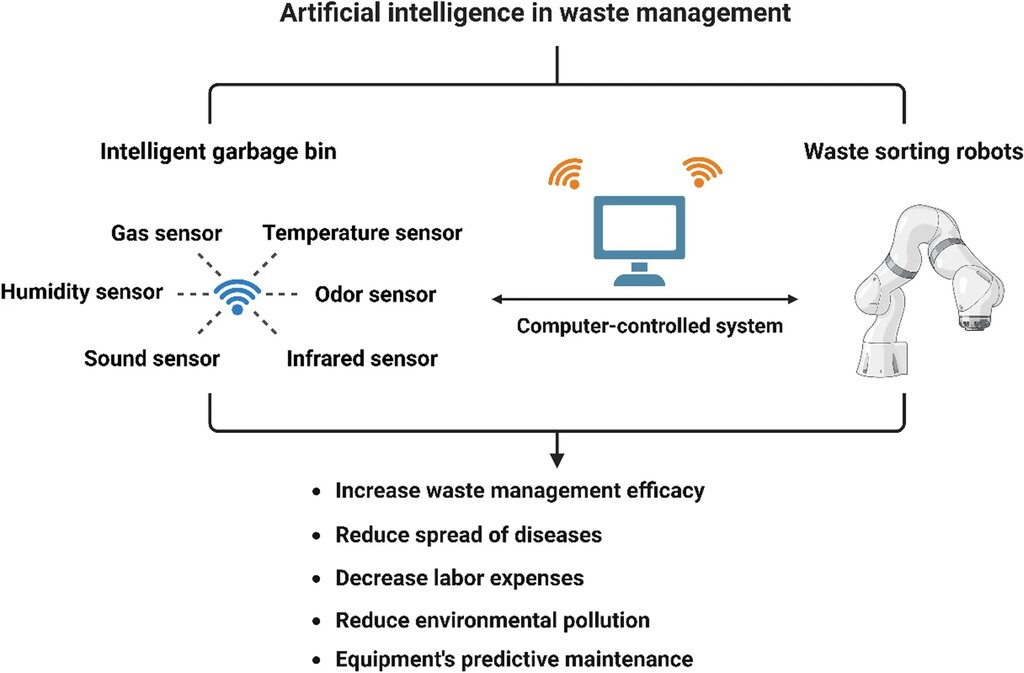
Even city services are getting smarter. AI can optimize traffic flow, manage energy grids, and even make waste management more efficient.
Why Audit AI?
As AI systems become more involved in critical decisions, we need a way to ensure they are working correctly, fairly, and safely. This is where AI auditing comes in. An AI audit is a systematic evaluation of an artificial intelligence system to verify that it meets its intended goals without causing unintended harm.
Think of it like a financial audit. An independent auditor examines a company's books to ensure they are accurate and comply with the law. Similarly, an AI auditor examines an AI system's design, data, and outcomes to ensure its integrity.
An AI auditing framework, which includes conducting an AI audit, provides a structured approach to evaluate, monitor, and validate the ethical, technical, and legal aspects of AI systems.
Auditing is crucial for building trust. If an AI system denies someone a loan or recommends a certain medical treatment, stakeholders—from customers to regulators—need assurance that the decision was made based on sound, fair, and accurate logic. Audits help organizations manage risks, comply with regulations, and prove that their AI systems are trustworthy.
Ethical Considerations
The power of AI also brings significant ethical challenges. Because AI learns from data, it can inadvertently learn and amplify biases present in that data. For example, if a hiring algorithm is trained on historical data from a company that predominantly hired men, it might learn to discriminate against female candidates.
This is a primary concern for AI auditors. They must investigate the data used to train the model to check for biases related to race, gender, age, or other protected characteristics. An audit seeks to ensure fairness and prevent discriminatory outcomes.
Bias
noun
A systematic error or prejudice in an AI system that results in unfair outcomes, often stemming from biased training data or flawed algorithmic design.
Other ethical issues include transparency and accountability. Who is responsible when an AI makes a mistake? Is it the developer, the user, or the company that deployed it? A lack of transparency—often called the "black box" problem—can make it difficult to understand why an AI made a particular decision. Audits push for greater explainability so that the system's logic can be understood and challenged if necessary.
Let's check your understanding of these fundamental concepts.
What is the key characteristic that distinguishes Artificial Intelligence from traditional software?
An AI system used by a bank to approve or deny loans denies a loan to a qualified applicant from a minority group. This is most likely an example of what ethical problem?
Understanding these core ideas—what AI is, how it's used, and why it needs oversight—is the first step toward ensuring this powerful technology is developed and deployed responsibly.