IRSE Professional Licensing Mastery for Modules A and D
IRSE Regulatory Framework
The Regulatory Landscape
In railway signalling, technical competence is only half the story. Every design choice, every system upgrade, and every safety assessment is governed by a strict legal and professional framework. This framework ensures that safety is not just an engineering goal, but a legal obligation.
At the top of the hierarchy in Great Britain are the Regulations 2006. These regulations set the high-level safety requirements for all mainline railways. They don't prescribe specific technologies or solutions. Instead, they mandate that every railway operator must have a Safety Management System (SMS) and hold a safety certificate or authorisation from the Office of Rail and Road (ORR). The SMS is the railway's documented proof of how it manages safety, from boardroom policies down to trackside procedures.
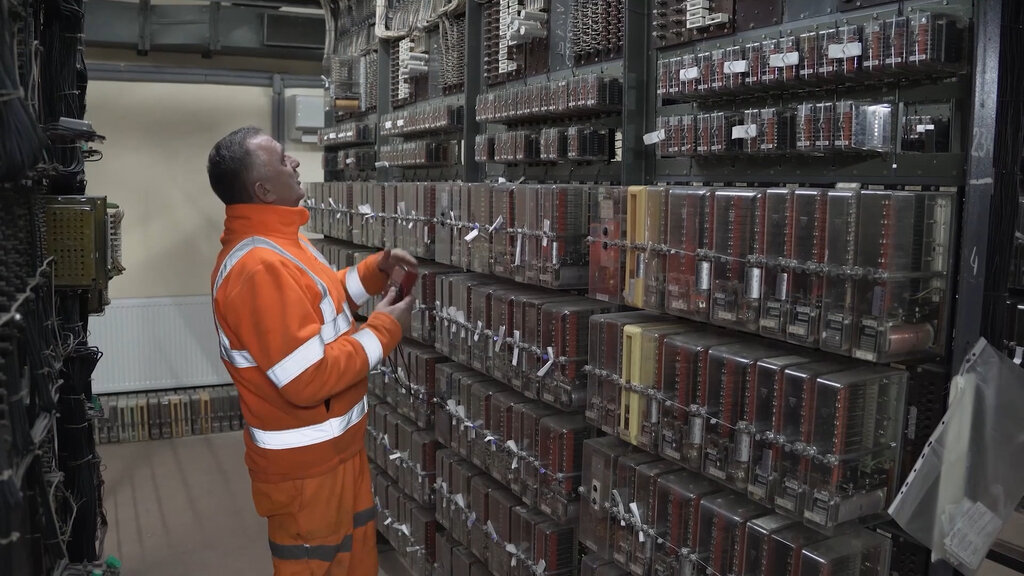
Think of the SMS as the constitution for a railway's safety culture. It's a living document that outlines processes for risk assessment, staff competency, accident investigation, and performance monitoring. The Office of Rail and Road acts as the regulator, auditing these systems and enforcing compliance. They are the independent body that grants the legal authority for trains to run, but only once they are satisfied that safety is being managed effectively.
Interoperability and Common Safety
Modern railways don't operate in isolation. To allow trains to run seamlessly across national borders, especially in Europe, the Railways (Interoperability) Regulations (RIR) were introduced. These regulations implement European directives into UK law, mandating common technical standards. For signalling engineers, this is where systems like ETCS become not just a technological advancement, but a legal requirement for certain new or upgraded lines.
The core of this harmonised approach is the use of Common Safety Methods (CSM). Specifically, the CSM-RA provides a mandatory, structured process for risk assessment and evaluation. If you make a significant change to the railway, whether it's introducing a new type of axle counter or re-controlling an entire interlocking, you must use CSM-RA to demonstrate that the change is acceptably safe.
The output of the CSM-RA process is a detailed safety case submitted to an Assessment Body (AsBo). This independent body evaluates the evidence and provides a safety assessment report, which is a crucial part of the package submitted to the ORR for authorisation. It's a rigorous, evidence-based approach that replaces subjective judgement with a repeatable, auditable methodology.
The key principle of CSM-RA is demonstrating that a new system is at least as safe as the one it replaces, or that any new risks are controlled to an acceptable level.
Professional Conduct
Beyond the corporate and legal requirements, there is a personal responsibility. The IRSE licensing scheme is built on individual competence and professional integrity. The IRSE Code of Professional Conduct outlines the ethical obligations of every member. This isn't just a list of suggestions; it's the foundation of the trust placed in signalling engineers.
The code requires engineers to act with competence and diligence, to prevent avoidable danger, and to maintain their professional knowledge. A breach of this code can have serious consequences, including the revocation of an IRSE licence. The licence is a testament not only to what you know (the fundamentals of railway control) but also to how you apply that knowledge—safely, ethically, and in full compliance with the law.
Ultimately, the regulatory framework, from ROGS down to the professional code of conduct, creates a layered system of safety assurance. It ensures that from the organisational level to the individual engineer, every action is guided by a primary commitment to safety, backed by robust processes and the force of law.
Ready to check your understanding of the regulatory landscape?
What is the primary purpose of the Railways and Other Guided Transport Systems (Safety) Regulations 2006 (ROGS) in Great Britain?
A significant change, such as re-controlling an interlocking, is proposed. Which mandatory process must be used to demonstrate that the change is acceptably safe?