Irrigation Piping Systems Explained
Pipe Classifications
Choosing the Right Pipe
The success of an irrigation system hinges on selecting the right pipes. The material you choose dictates the system's durability, flexibility, and overall performance. While many options exist, three plastics dominate the field: Polyvinyl Chloride (PVC), High-Density Polyethylene (HDPE), and standard Polyethylene (PE). Each has distinct properties suited for different parts of an irrigation network, from high-pressure mainlines to the final delivery at the plant root.
PVC The Rigid Standard
Polyvinyl Chloride (PVC) is one of the most common materials for irrigation pipes, particularly for main and sub-main lines. Its primary characteristic is rigidity. PVC pipes are strong, hold their shape under pressure, and are highly resistant to chemical degradation and UV exposure. This makes them ideal for buried lines that won't be disturbed.
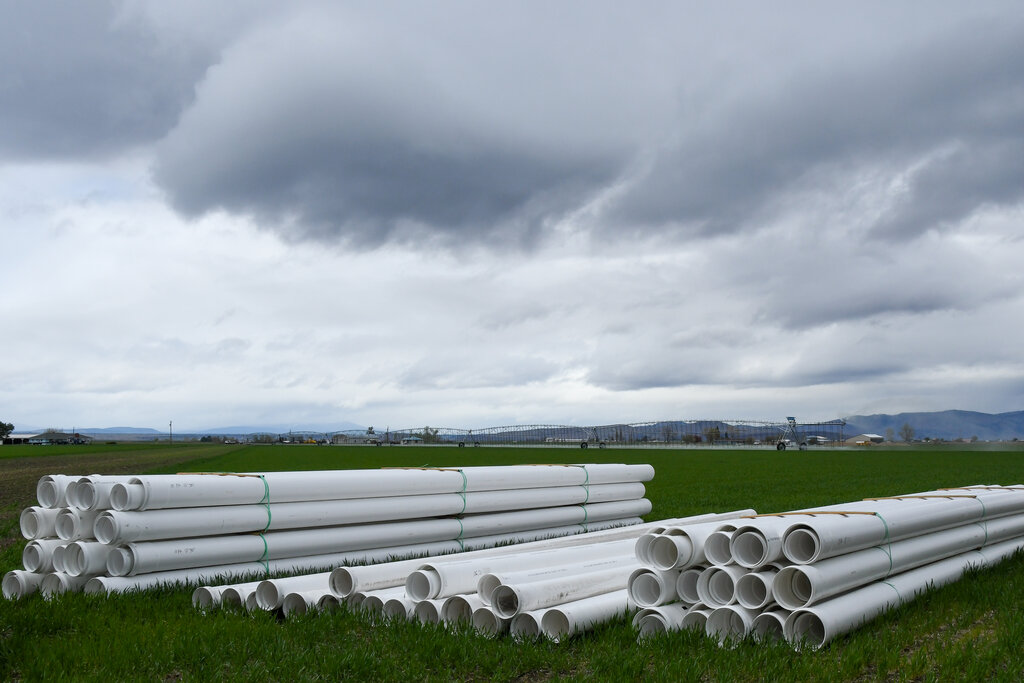
However, this rigidity comes with trade-offs. PVC is more brittle than other plastics and can crack from a sharp impact or if water inside it freezes and expands. Because it comes in straight sections, it requires solvent-welded or gasketed fittings to navigate corners or changes in elevation. Its strength makes it the standard for applications requiring high pressure and straight, permanent runs, such as feeding water to different zones across a large field.
HDPE The Flexible Workhorse
High-Density Polyethylene (HDPE) offers a compelling alternative to PVC, with flexibility as its standout feature. Unlike rigid PVC, HDPE pipes can bend, allowing them to be routed around obstacles without needing numerous elbow fittings. This flexibility also makes them far more resistant to damage from impact or freezing conditions.
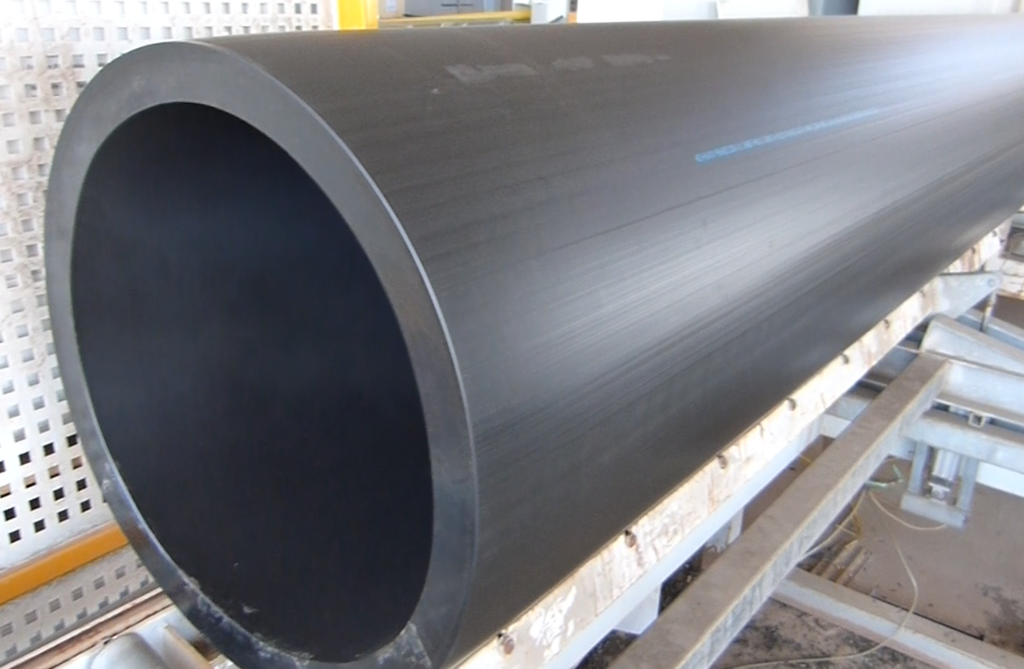
HDPE is extremely durable, with high resistance to abrasion and corrosion. Sections are joined using heat fusion, which creates a monolithic, leak-proof system. This is a significant advantage over mechanical or solvent-welded joints, which can be points of failure. HDPE is often used for mainlines in challenging terrain, for trenchless installations (where pipe is pulled underground), and in systems where durability and leak prevention are critical.
PE Tubing The Final Metre
Polyethylene (PE) tubing, often called poly pipe, is the most flexible of the three. It operates at much lower pressures than PVC or HDPE and is primarily used for the final stage of water delivery in drip irrigation and micro-sprinkler systems. It's the thin tubing that runs down rows of crops, delivering water directly to individual plants.
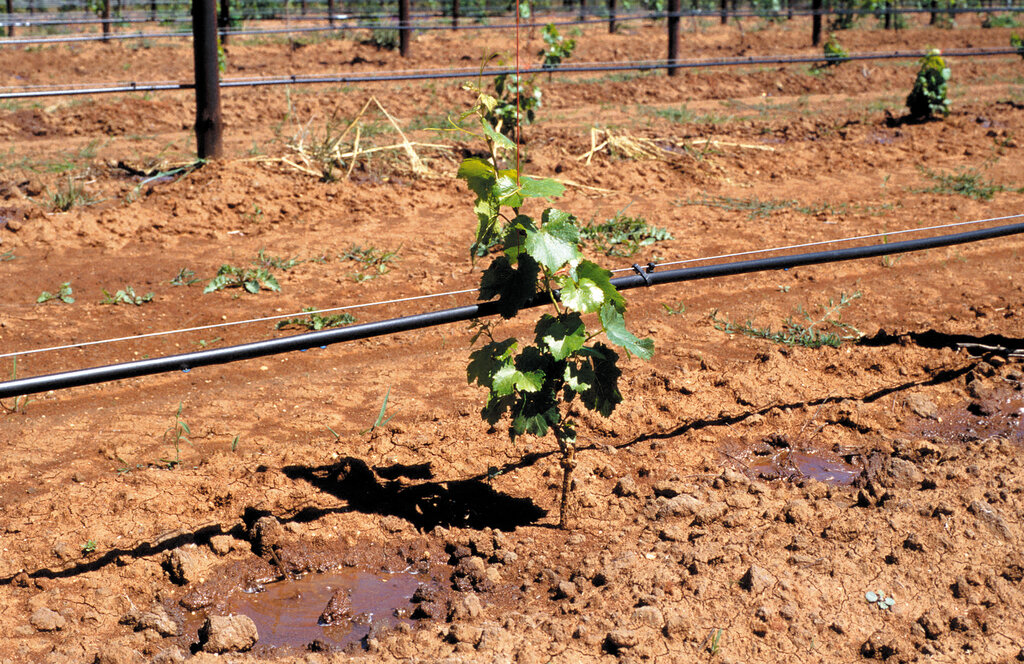
PE tubing is easy to cut and install, using simple barbed or compression fittings to connect drippers, emitters, and sprayers. Its flexibility allows it to be easily woven through dense plantings. While not as strong as its high-density cousin, its low cost and ease of use make it the undisputed choice for low-pressure lateral lines in micro-irrigation setups.
Comparing the Options
Choosing the right pipe material involves balancing cost, pressure requirements, and site conditions. No single material is best for every part of an irrigation system; they are often used together to create an efficient and cost-effective network.
| Feature | PVC | HDPE | PE Tubing |
|---|---|---|---|
| Flexibility | Low (Rigid) | High | Very High |
| Pressure Rating | High | High | Low |
| UV Resistance | Good | Excellent (if black) | Good (if black) |
| Joining Method | Solvent Weld / Gaskets | Heat Fusion | Barbed / Compression Fittings |
| Primary Use | Buried Main/Sub-mains | Mainlines, Challenging Terrain | Drip Lateral Lines |
| Impact Resistance | Low | High | High |
A typical system might use rigid PVC for the main buried line from the water source, transition to more flexible HDPE to navigate a difficult section of land, and then branch off into low-pressure PE tubing to water the individual plants. Understanding the strengths and weaknesses of each material allows for a system design that is both resilient and effective.
Ready to test your knowledge? This quiz will cover the properties and applications of the different pipe materials discussed.
Which pipe material is characterised by its rigidity, making it ideal for straight, high-pressure main and sub-main lines?
An irrigation system needs to run through an area with cold winters where the ground freezes. Which material's properties make it most resistant to cracking from frozen water?
By understanding these material differences, you can better analyse and plan irrigation systems for optimal performance and longevity.