Ireland's EU Economic Journey: Policy and Financial Sector Impacts
Eurozone Monetary Policy
The Eurozone's Financial Conductor
At the heart of the Eurozone's economy is the European Central Bank, or ECB. Headquartered in Frankfurt, Germany, its primary job is to manage the euro and maintain stable prices for the millions of people who use it. Think of it as the financial conductor for all the countries that have adopted the euro.
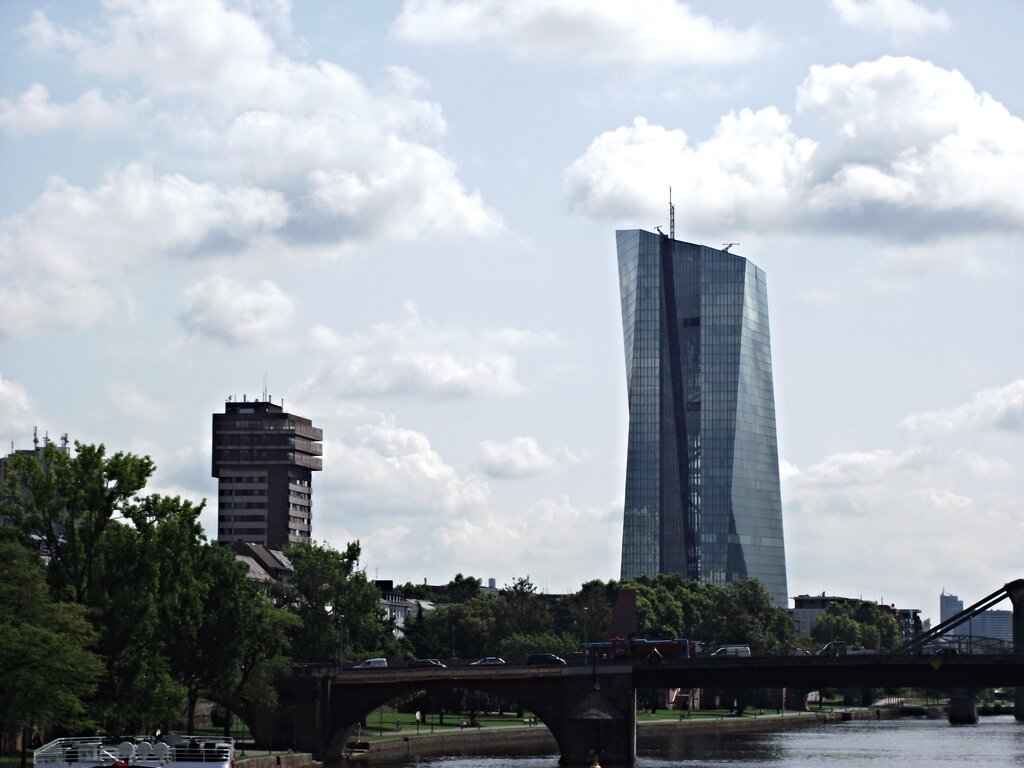
The ECB's main goal is clear: keep inflation low, stable, and predictable. The target is a 2% inflation rate over the medium term. This stability allows people and businesses to plan for the future with confidence, knowing their money will hold its value.
The key decision-making body is the Governing Council. It consists of the six members of the Executive Board plus the governors of the national central banks of the Eurozone countries. They meet regularly to analyze economic data and decide on the appropriate monetary policy for the entire area.
The ECB's Toolkit
To achieve its goal of price stability, the ECB has a set of powerful tools. These tools are used to influence the amount of money in the economy and how much it costs for commercial banks to borrow. This, in turn, affects interest rates for consumers and businesses.
Central banks use interest rates to adjust the pace of economic growth, influence inflation, and steer economic expectations.
The most well-known tool is the set of key interest rates. The ECB sets three main rates:
- The main refinancing operations rate: The rate at which banks can borrow from the ECB for one week.
- The deposit facility rate: The interest banks receive for depositing money with the ECB overnight.
- The marginal lending facility rate: The rate at which banks can get overnight credit from the ECB.
By lowering these rates, the ECB makes it cheaper for banks to borrow money. Banks can then pass these lower costs on to people and companies through cheaper loans for mortgages or business investments. This encourages spending and can stimulate economic growth. Conversely, raising these rates makes borrowing more expensive, which can help cool down an overheating economy and curb inflation.
Another crucial tool is open market operations. This is how the ECB directly manages the amount of money flowing through the banking system.
Open market operations
noun
The buying and selling of government securities in the open market in order to expand or contract the amount of money in the banking system.
When the ECB wants to increase the money supply and encourage lending, it buys government bonds and other assets from commercial banks. The ECB pays for these assets by crediting the commercial banks' accounts, essentially creating new central bank money. With more reserves, these banks can lend more money out to the economy.
If the goal is to tighten the money supply to fight inflation, the ECB does the opposite: it sells assets to commercial banks. The banks pay for these assets, which reduces their reserves and their capacity to lend.
One Size Fits... None?
The greatest challenge for the ECB is setting a single monetary policy for a diverse group of countries. An interest rate that might be perfect for stimulating a sluggish economy in one member state could risk overheating an economy that's already growing quickly in another.
Imagine one country is experiencing high unemployment and slow growth, while another is dealing with rapidly rising prices and a booming housing market. A policy designed to help the first country (like lowering interest rates) could make inflation worse in the second. This requires a delicate balancing act. The ECB must set policy based on the economic health of the Eurozone as a whole, even if it's not the ideal prescription for every individual member.
Navigating these differences is a constant challenge. The ECB's Governing Council must weigh various national economic indicators to make decisions that best serve the entire currency union, fostering stability and sustainable growth across the Eurozone.
What is the primary objective of the European Central Bank (ECB)?
If the ECB wants to stimulate the economy and encourage lending, what action would it most likely take using open market operations?