IRC Roadside Plantation Guidelines
Introduction to Roadside Plantations
More Than Just Greenery
The trees and shrubs you see lining highways and city streets are much more than decoration. This deliberate planting of vegetation along roads is known as roadside plantation. It’s a practice that turns simple transportation corridors into more functional, pleasant, and ecologically valuable spaces. Think of it as landscaping with a purpose.
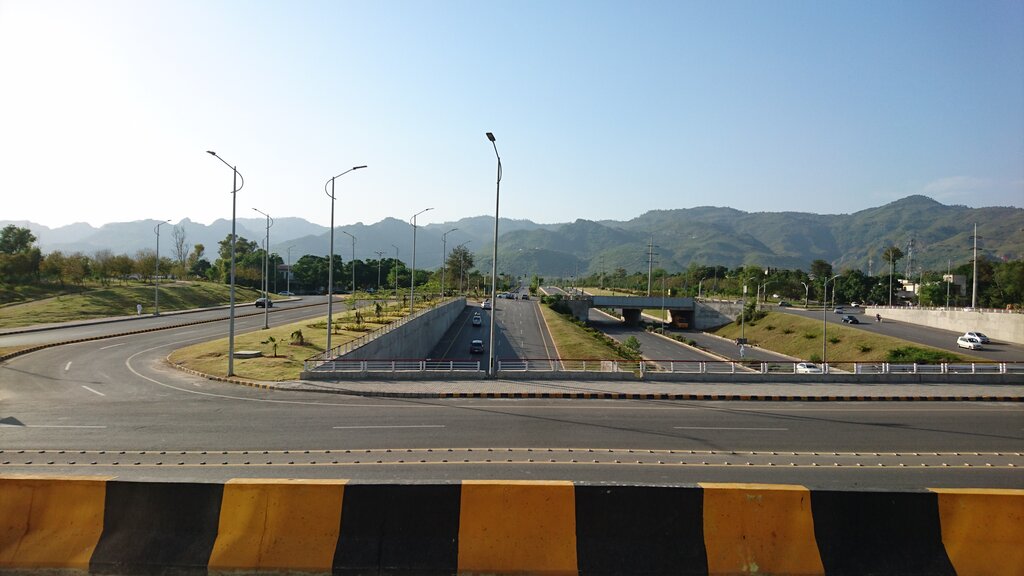
At its most basic, a roadside plantation makes a journey more enjoyable. A green verge can break the monotony of endless asphalt and concrete, reducing driver fatigue and making the landscape more beautiful. But the benefits run much deeper than just aesthetics.
The Unseen Work of Roadside Plants
Roadside plants are tireless workers. They act as natural air filters, absorbing pollutants like carbon monoxide and trapping particulate matter on their leaves and bark. A dense line of trees can also serve as a surprisingly effective sound barrier, dampening traffic noise for nearby communities.
They also play a crucial role in maintaining the road itself. The root systems of trees, shrubs, and grasses bind the soil, preventing erosion on embankments and slopes. This is especially important during heavy rains, where runoff could otherwise wash away the soil supporting the road. The shade from trees also helps cool the pavement, which can extend its lifespan, and provides comfort for pedestrians, cyclists, and resting travelers.
Finally, these green corridors can connect fragmented habitats, allowing birds, insects, and other small wildlife to move between larger natural areas. This helps support local biodiversity even in highly developed landscapes.
A Long-Standing Tradition
Planting trees along travel routes is not a new idea, especially in India. For centuries, rulers understood the value of providing shade and comfort for travelers and their animals. The Mauryan emperor Ashoka, in the 3rd century BCE, is famously credited with planting trees and digging wells along major roads for the welfare of the public.
This tradition of creating shaded avenues continued through various eras. What began as a way to provide comfort has evolved into a scientific practice integrated into modern highway engineering. Today, organizations like the Indian Roads Congress (IRC) develop detailed guidelines to ensure that roadside plantations are planned and executed effectively, maximizing their environmental and safety benefits.
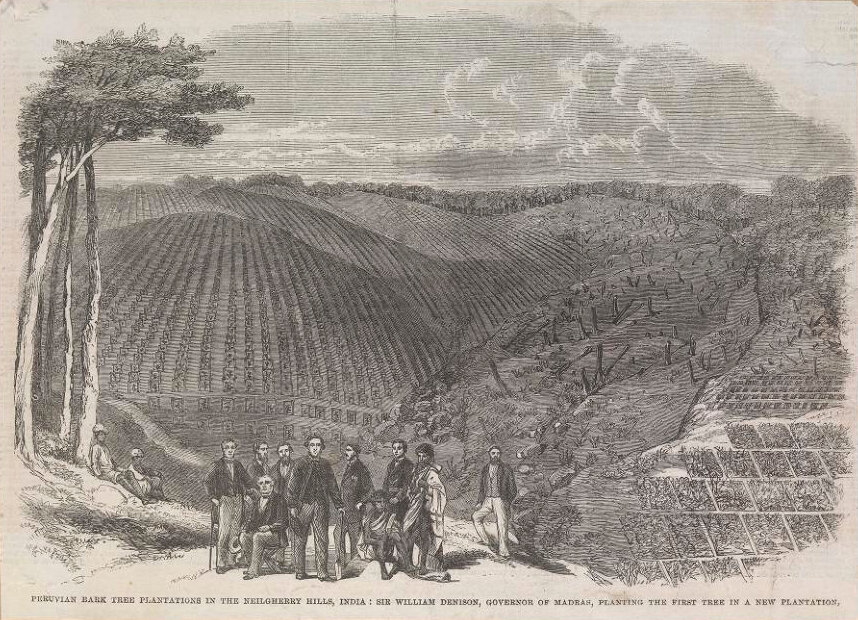
Understanding this foundation is key. Roadside plantations are a blend of ancient wisdom and modern science, turning our roads into assets that do more than just carry traffic.