Iran A Historical Journey
Ancient Persia
Before the Empire
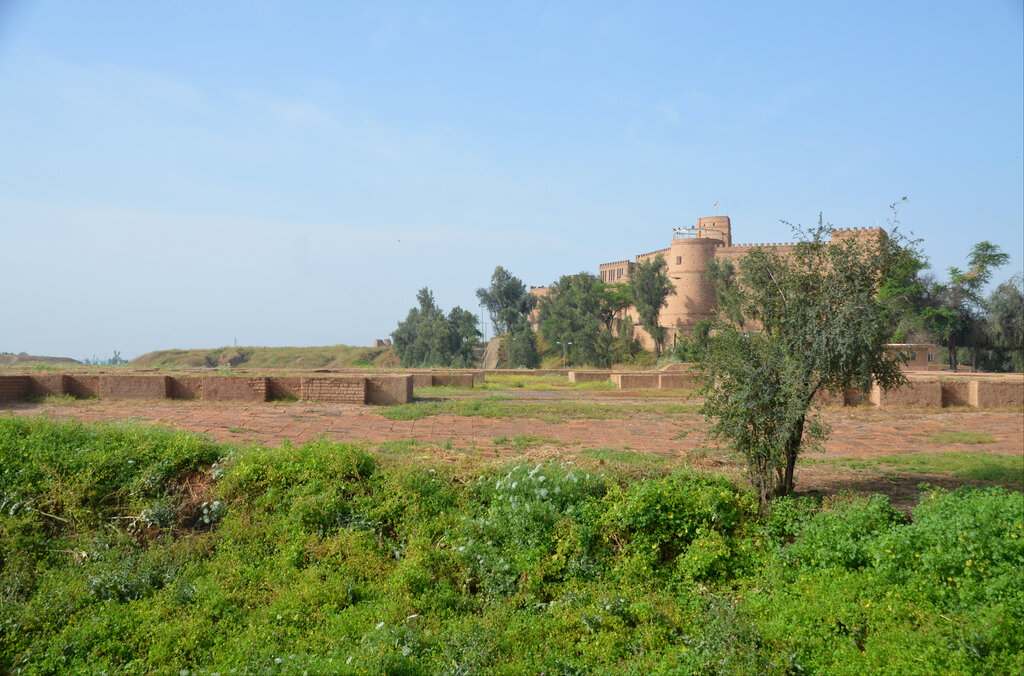
Long before the rise of the great Persian empires, the land that is now Iran was home to one of the world's oldest civilizations: Elam. Centered in the lowlands of the southwest, the Elamites built sophisticated cities, most notably their capital, Susa. For thousands of years, they were a major power in the ancient Near East, frequently clashing with their neighbors in Mesopotamia.
Around 1500 BCE, a new wave of people began migrating onto the Iranian plateau from Central Asia. These were Indo-European tribes who spoke Iranian languages, including two closely related groups: the Medes and the Persians. They were pastoralists, skilled in horse breeding and warfare. For centuries, they lived in the shadow of more established powers like the Assyrian Empire to the west, often paying them tribute.
The Medes Take Charge
The balance of power began to shift around the 7th century BCE. The Median tribes, settled in the northwestern part of the plateau, united under a single king. They built a powerful army and a capital at Ecbatana (modern-day Hamadan). In 612 BCE, the Medes joined forces with the Babylonians and accomplished what many thought was impossible: they conquered the mighty Assyrian Empire, destroying its capital, Nineveh.
This victory established the Median Empire as the new dominant force in the region. They controlled a vast territory, including the Persians, who were their subjects or vassals. The Median kingdom laid the groundwork for a much larger empire to come, uniting the Iranian peoples for the first time.
Cyrus the Great
The Persian tribes lived in a region called Parsa, south of the Medes. In the mid-6th century BCE, they were led by a brilliant and ambitious ruler named Cyrus. According to legend, the Median king was his grandfather, who had tried to have Cyrus killed as an infant after a prophetic dream. But Cyrus survived, and in 550 BCE, he led a successful rebellion against the Median king, capturing Ecbatana and uniting the Medes and Persians under his rule. This was the birth of the Achaemenid Empire, named after Cyrus's ancestor, Achaemenes.
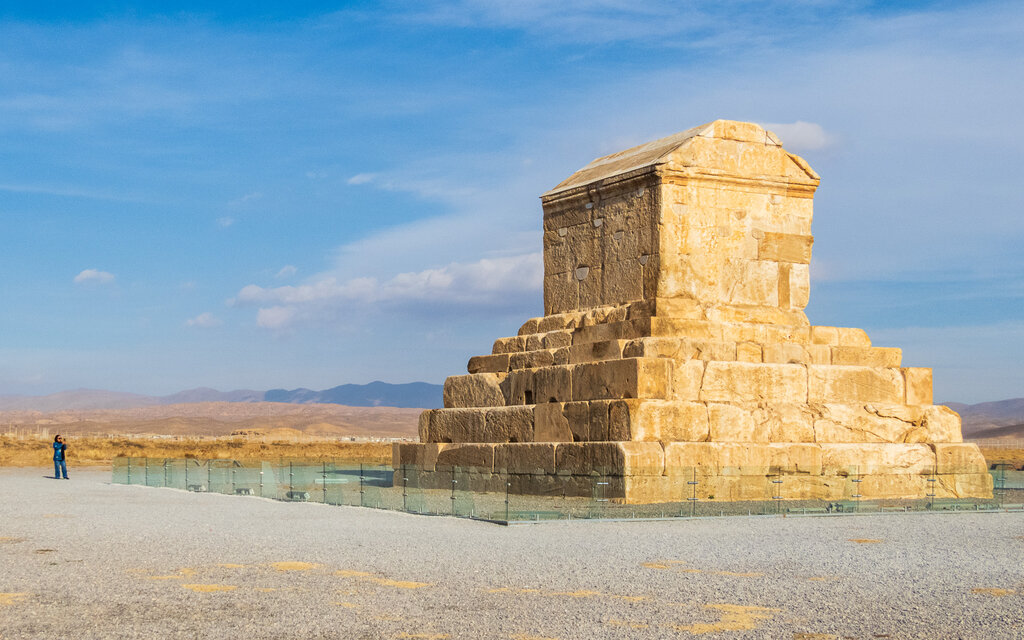
Cyrus didn't stop there. He was a military genius who went on to conquer the wealthy kingdom of Lydia in modern-day Turkey and then the powerful Neo-Babylonian Empire, including the legendary city of Babylon. In just a few decades, he forged the largest empire the world had ever seen, stretching from the Mediterranean Sea to the mountains of Central Asia.
Cyrus’s benevolence reflected the Achaemenid Empire’s approach to governance, which respected its subjects' cultural and religious diversity.
What set Cyrus apart was not just his military skill, but his approach to governance. Unlike the Assyrians, who ruled through terror, Cyrus practiced a policy of tolerance. When he conquered Babylon, he didn't destroy the city or force its people to adopt Persian customs. Instead, he famously allowed the Jewish people, who had been held captive there for decades, to return to Jerusalem and rebuild their temple. This act earned him a revered place in the Hebrew Bible. His policies created a stable and multicultural empire.
How the Empire Worked
Cyrus's successors, like Darius the Great, refined the structure of the Achaemenid Empire. They divided their vast territory into provinces called satrapies, each governed by a satrap, or governor. These satraps had considerable autonomy but were watched over by royal inspectors known as the "king's eyes and ears" to ensure loyalty and prevent corruption.
The Achaemenids built an extensive network of roads, most famously the Royal Road, which stretched over 1,600 miles from Susa to the Aegean Sea. This allowed for rapid communication via a system of horse-mounted messengers, as well as the movement of armies and trade goods. They also standardized weights, measures, and coinage, which helped unify the diverse economies of their vast realm.
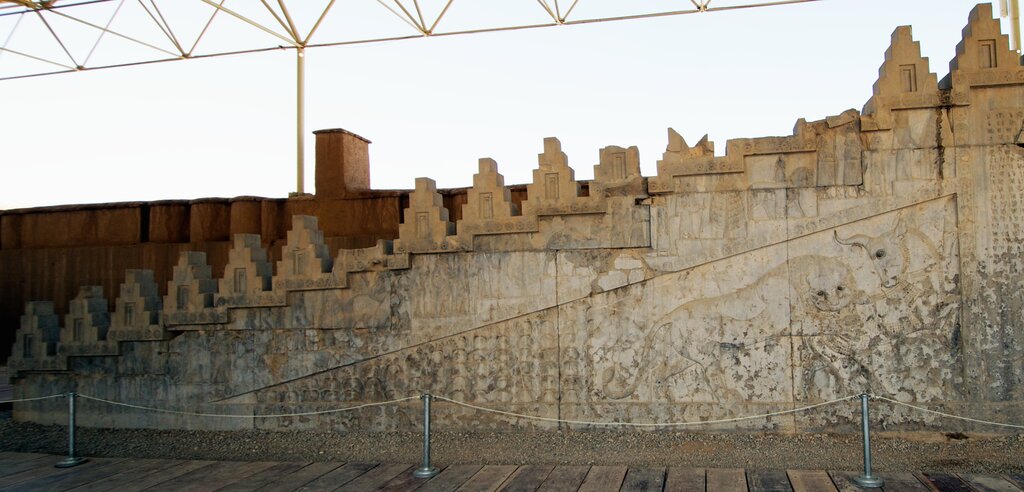
The empire's culture was a blend of influences. While Persian art and architecture, seen in the magnificent ruins of their ceremonial capital, Persepolis, had its own distinct style, it also incorporated elements from Babylonian, Assyrian, and Egyptian traditions. The early Persians followed the teachings of the prophet Zoroaster, whose religion, Zoroastrianism, emphasized the cosmic struggle between good and evil. This faith would deeply influence the region for centuries to come.
Who were the ancient people who established a major civilization with its capital at Susa long before the arrival of the Medes and Persians?
What major military achievement in 612 BCE established the Median Empire as the dominant force in the region?