IoT Embedded Systems Explained
Introduction to IoT
What is the Internet of Things?
The Internet of Things, or IoT, is a giant network of physical objects. Think of everyday items like your thermostat, your watch, or even a factory machine. These objects are equipped with sensors, software, and other technologies that allow them to connect to the internet and exchange data with other devices.
It's not about just connecting phones and computers anymore. IoT brings the power of the internet to billions of previously “dumb” objects, giving them a digital voice. Suddenly, a shipping container can report its location and temperature, a tractor can optimize its path across a field, and your lights can turn off automatically when you leave the house.
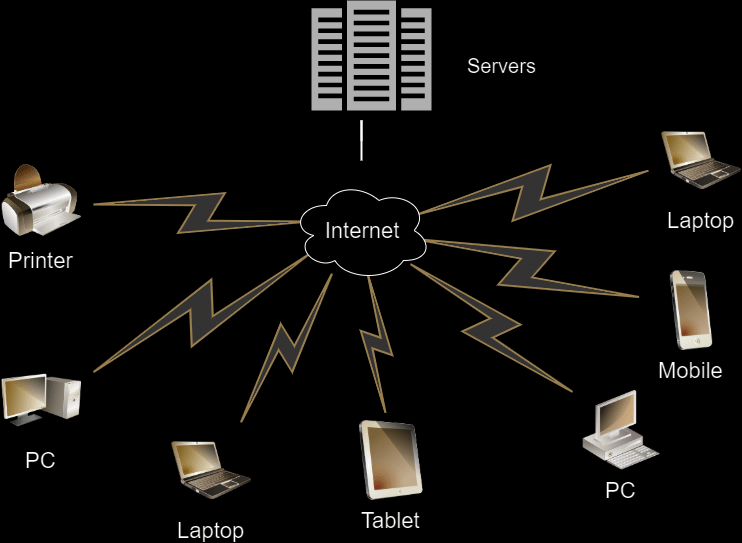
The significance of this is huge. By collecting vast amounts of real-world data, we can make smarter decisions, automate tasks, and improve efficiency in ways that weren't possible before. It allows us to monitor our health, manage our cities, and run our businesses more effectively.
At its core, IoT is about making the physical world smarter by connecting it to the digital world.
How It All Works
The idea of connecting devices has been around for decades, but it only became practical recently. Why? A few key things happened: sensors became cheap and tiny, wireless internet became widespread, and cloud computing provided the massive brainpower needed to process all the data these devices collect.

An IoT system has three fundamental building blocks that work together:
Sensor
noun
A device that detects and responds to some type of input from the physical environment. It converts a physical parameter, like temperature or motion, into a signal that can be measured electronically.
Sensors are the five senses of an IoT device. They gather data from the world around them. This could be anything from the humidity in a greenhouse to the vibration of an engine or your heart rate.
Actuator
noun
A component of a machine that is responsible for moving and controlling a mechanism or system. It takes an electrical signal and converts it into physical action.
If sensors gather data, actuators take action based on that data. After a system decides what to do, an actuator carries out the command. Examples include a smart lock physically locking a door, a valve shutting off a water pipe, or a speaker playing an alarm.
Finally, you have the communication modules. These are the components, like Wi-Fi or Bluetooth chips, that allow the device to send the data it collects from its sensors and receive commands for its actuators over the internet.
IoT's Growing Impact
The applications for IoT are incredibly broad, transforming entire industries. In agriculture, sensors in the soil help farmers use water more efficiently and increase crop yields. This is often called “smart farming.”
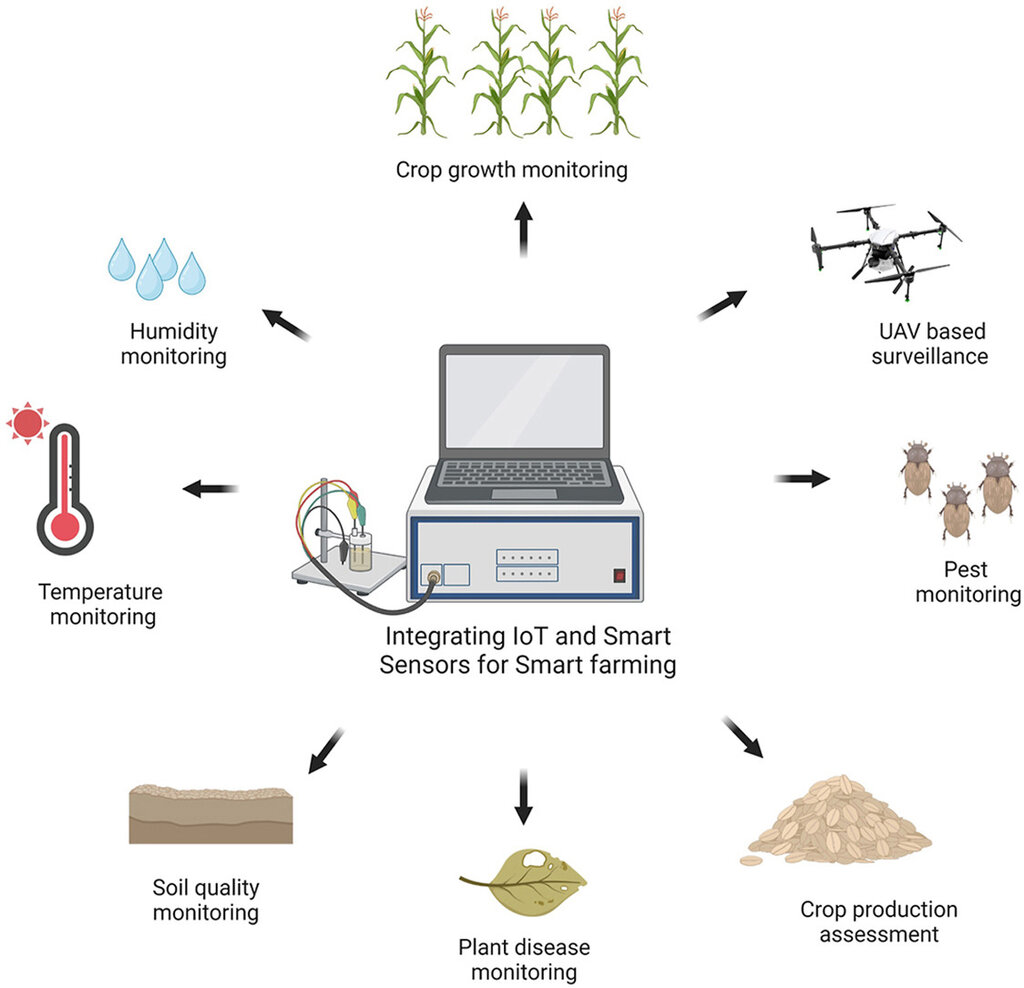
In healthcare, wearable devices monitor patients' vital signs from home, allowing for better remote care and early detection of problems. Cities use IoT to manage traffic flow, reduce energy consumption in buildings, and even detect when trash cans need to be emptied.
In manufacturing, it's called the Industrial Internet of Things (IIoT). Machines on the factory floor are packed with sensors that predict when they need maintenance, preventing costly breakdowns. This data also helps optimize the entire production line for speed and quality.
If you think IoT is just about Alexa turning on your lights, you're missing the revolution happening in warehouses, hospitals, farms, and cities worldwide.
As more devices come online, IoT will continue to weave itself into the fabric of our daily lives and global economy, creating a more connected and responsive world.
What is the primary purpose of the Internet of Things (IoT)?
In an IoT system, which component is responsible for physically carrying out a command, like locking a door or shutting off a valve?