Investment Modeling Mastery
Commercial Real Estate Basics
What Is Commercial Real Estate?
Commercial real estate, often shortened to CRE, refers to property used exclusively for business-related purposes or to provide a workspace rather than as a living space. In simple terms, if you can't live there, it's likely commercial property.
The core purpose of commercial real estate is to generate income for its owner, either through rent or capital appreciation.
This category is incredibly broad. It includes everything from a small downtown coffee shop to a massive warehouse, a doctor's office, or a skyscraper full of corporate headquarters. The primary goal is always business. Investors purchase these properties not to live in them, but as a vehicle for producing profit.
Commercial vs. Residential
Most people are familiar with residential real estate—the world of houses, condos, and apartments for private living. While both fall under the umbrella of real estate, their investment landscapes are quite different. Commercial properties are valued based on their income-generating potential, while residential properties are often valued based on comparable sales in the area.
| Feature | Commercial Real Estate | Residential Real Estate |
|---|---|---|
| Primary Purpose | Generate income through rent or business operations. | Provide housing for individuals or families. |
| Lease Terms | Long-term, typically 3 to 10+ years. | Short-term, often 1-year leases or month-to-month. |
| Valuation | Based on rental income and property performance (e.g., Cap Rate). | Based on recent sales of similar properties (comparables). |
| Risk & Reward | Higher potential income, but more sensitive to economic downturns. | Generally lower risk, more stable demand. |
Because of these differences, financing for commercial properties is also distinct. Lenders look closely at the property's expected cash flow when deciding whether to approve a loan, a process known as underwriting.
Commercial real estate underwriting is the process of assessing the risk, profitability, and feasibility of an investment or loan tied to commercial property.
The Main Property Types
Commercial real estate isn't a single market. It's a collection of several distinct sectors, each with its own dynamics. The four primary types are office, industrial, retail, and multifamily.
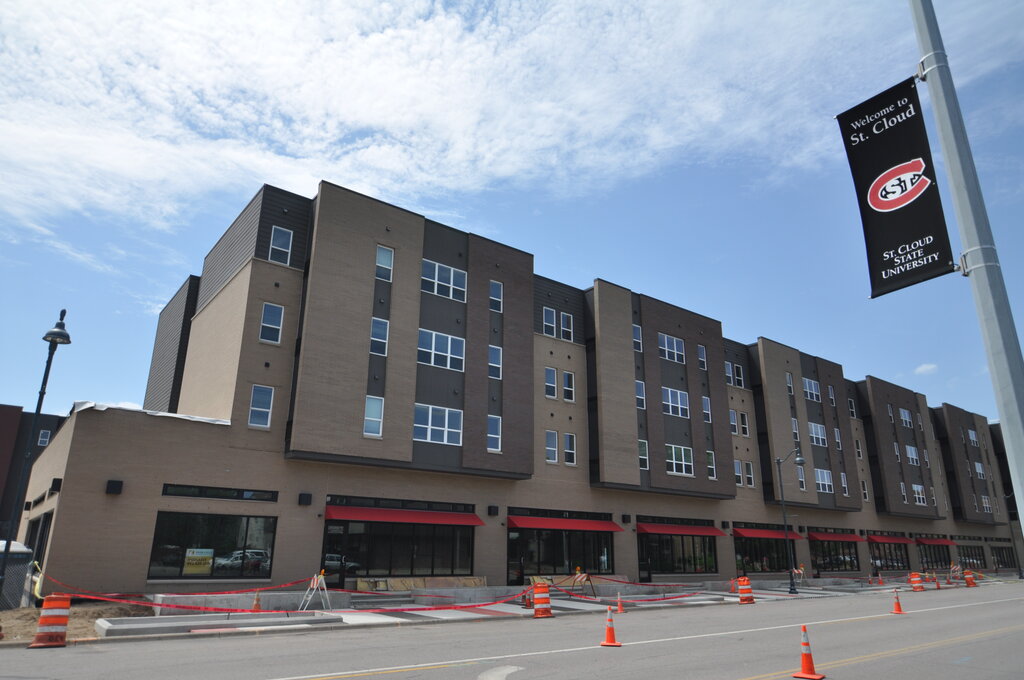
Multifamily This might seem like a contradiction, but apartment buildings with five or more units are considered commercial real estate. Why? Because they are owned for the express purpose of generating rental income. The owner doesn't live there; they operate it as a business. This category includes everything from garden-style apartment complexes in the suburbs to high-rise apartment buildings in the city.
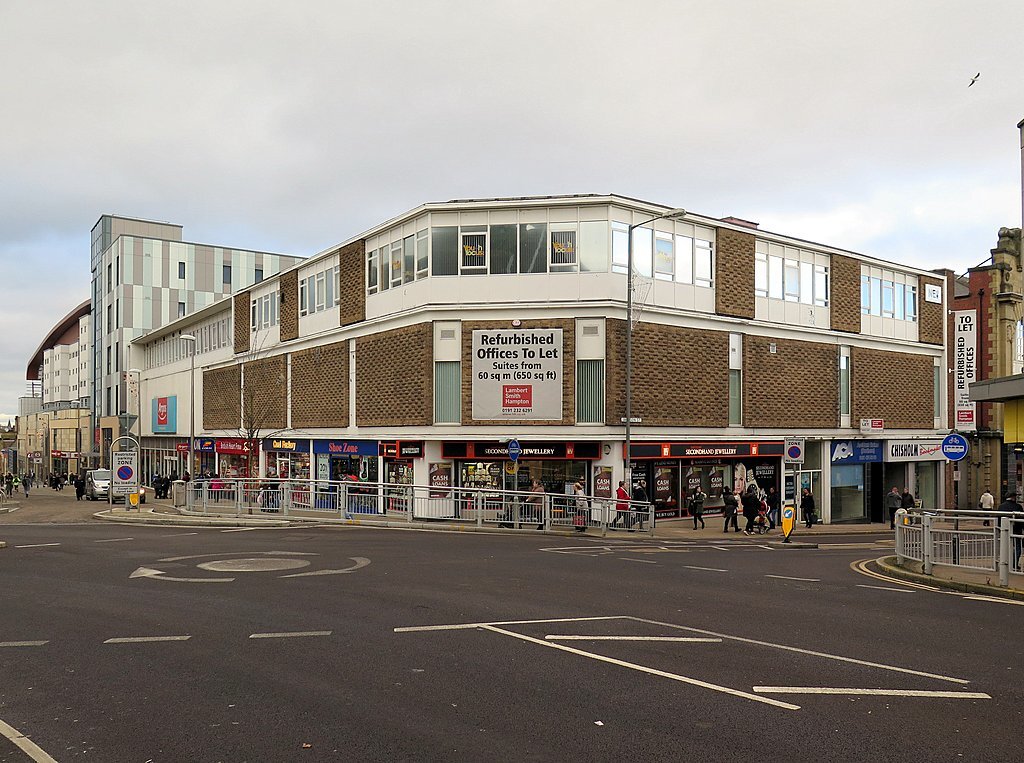
Office This is a classic CRE category, covering buildings where companies conduct their business. Office properties are often categorized into three classes:
- Class A: The newest and highest-quality buildings in prime locations with great amenities.
- Class B: Slightly older buildings that are well-maintained but have fewer modern amenities.
- Class C: Older buildings in less desirable locations, often in need of renovation. They offer lower rents and are attractive to smaller businesses.
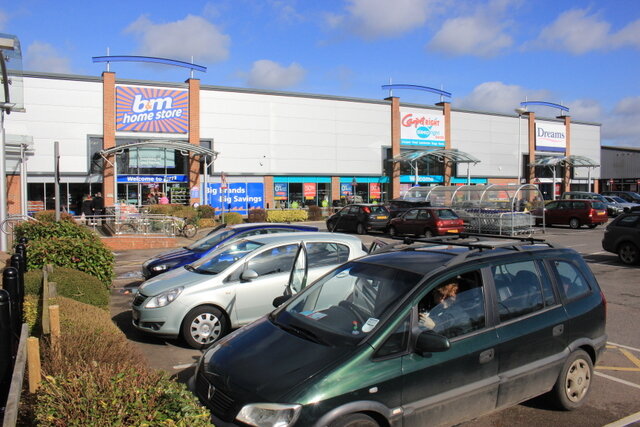
Retail This sector includes properties that house businesses selling goods and services directly to consumers. It's a diverse group, ranging from massive shopping malls and grocery-anchored neighborhood centers to small standalone storefronts and strip malls.
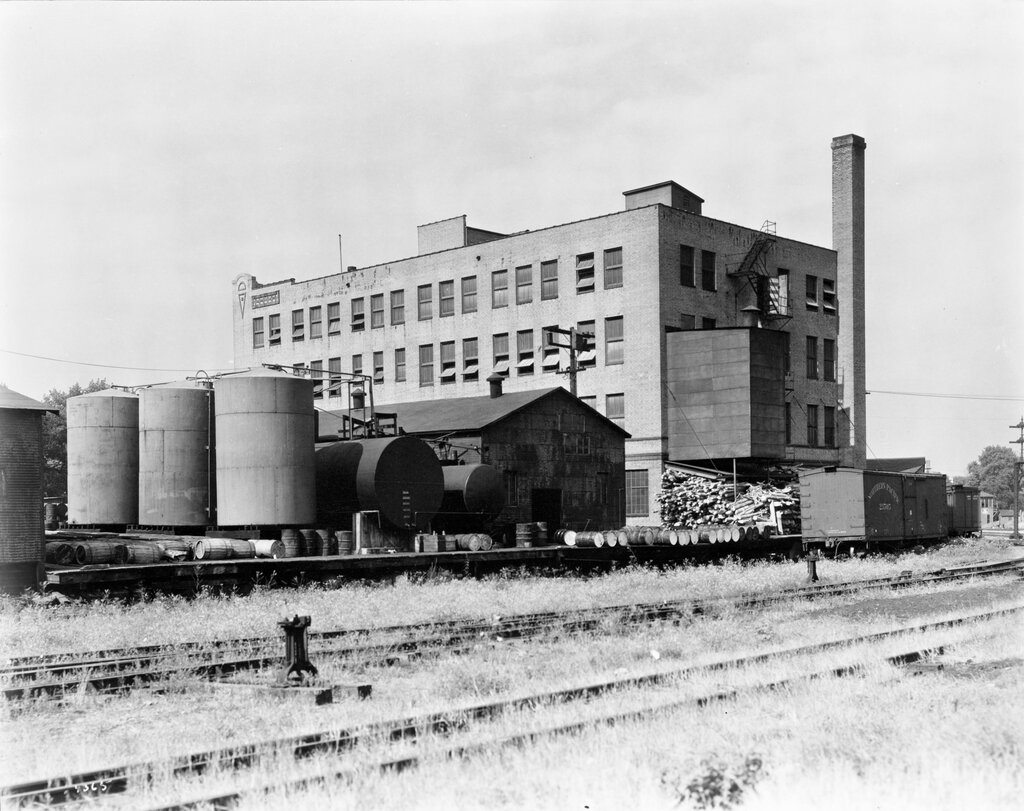
Industrial Industrial properties are the backbone of commerce. They are functional spaces used for manufacturing, storage, and distribution of goods. Think of large warehouses for e-commerce giants, logistics facilities near ports and highways, and factories where products are made. They are often less glamorous but are a critical part of the economy.
Market Dynamics
The health of the commercial real estate market is closely tied to the broader economy. When the economy is strong, businesses expand, creating demand for office and retail space. Increased consumer spending drives the need for more warehouses to store and ship goods. This relationship between economic activity and property demand is a key driver of market cycles.
Investment strategies often revolve around two main goals: generating steady cash flow from tenant rents and achieving long-term capital appreciation, where the property's value increases over time. Investors analyze local market trends, vacancy rates, and economic forecasts to find properties that align with these goals.
Now, let's test your understanding of these core concepts.
What is the fundamental difference between how commercial and residential real estate are typically valued?
An older, well-maintained office building in a prime location, but lacking the newest technology and amenities, would most likely be classified as what?
Understanding these fundamentals is the first step toward analyzing commercial real estate opportunities.