Investment Essentials
Investment Basics
What Is Investing?
Investing is the process of using your money to buy assets that have the potential to grow in value. Think of it like planting a tree. You start with a small seed (your initial investment), and with time and care, it can grow into something much larger, providing fruit (returns) for years to come.
The goal isn't just to save money, but to make your money work for you. Instead of sitting idle in a low-interest account, invested money can generate more money. This growth is what helps you build wealth over the long term.
An investment is something you buy with the goal that it will increase in value over time.
Start with a Goal
Before you invest a single dollar, it's important to know why you're investing. Your financial goals are the roadmap for your investment journey. Are you saving for retirement in 30 years? A down payment on a house in five years? Or maybe your child's college education?
Each goal has a different timeline and requires a different amount of money. Knowing your objectives helps you choose the right investments and create a plan to reach them. A clear goal turns vague hopes like "I want to be rich" into actionable steps.
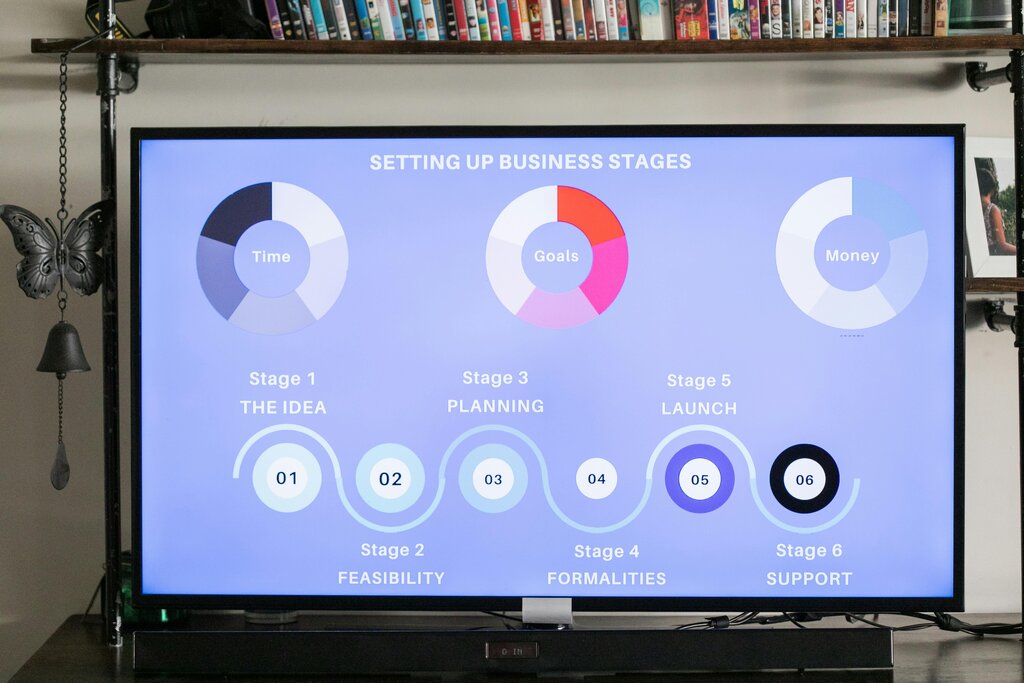
Without a destination in mind, it's easy to get lost. Financial goals provide that destination, giving every dollar you invest a purpose.
The Silent Cost of Waiting
One of the biggest obstacles to building wealth isn't a stock market crash, but something far quieter: inflation. Inflation is the rate at which the general level of prices for goods and services is rising, and subsequently, the purchasing power of currency is falling.
Imagine a cup of coffee that cost $1 a decade ago. Today, that same coffee might cost $2. Your dollar just doesn't stretch as far as it used to. If your money is sitting in cash or a very low-interest savings account, it's effectively losing value every year because its purchasing power is shrinking.
Inflation
noun
The rate of increase in prices over a given period of time, resulting in a fall in the purchasing value of money.
Investing is one of the most effective ways to combat inflation. The goal is for your investments to earn a rate of return that is higher than the rate of inflation, ensuring that your money's buying power grows over time, rather than shrinks.
Money's Superpower: Time
A dollar today is worth more than a dollar tomorrow. This is the core idea behind the time value of money. It's a fundamental concept in finance that recognizes the potential of money to grow over time.
Why is a dollar today more valuable? First, because of inflation, it can buy more today than it will in the future. Second, a dollar today can be invested to earn a return, turning it into more than a dollar tomorrow. This earning potential is what makes starting early so powerful.
The relationship between an investment's current value and its future value can be expressed with a simple formula. It helps you see how much your money could grow based on a certain rate of return over a period of time.
Here's what that means:
- is the Future Value of the money.
- is the Present Value, or your initial amount.
- is the annual interest rate (or rate of return).
- is the number of years the money is invested.
This formula shows how your money can grow exponentially over time, thanks to the power of compounding. The longer your money is invested, the more time it has to work for you.
Understanding these core concepts is the first step on your journey. Now, let's check what you've learned.
What is the primary purpose of investing?
Why is it important to set clear financial goals before you start investing?
Grasping these ideas—what investing is, why goals matter, how inflation works, and the power of time—provides a solid foundation for making smarter financial decisions.