Investing in the Drone Industry
Drone Industry Overview
From Military Tech to Main Street
Unmanned aerial vehicles, or drones, feel like a recent invention, but their history goes back surprisingly far. The earliest concepts emerged in the mid-19th century, with Austrians launching unmanned, bomb-filled balloons to attack Venice. However, the true ancestors of modern drones were developed for military reconnaissance and as targets for training.
For decades, this technology was confined to military use. These early drones were large, expensive, and required specialized teams to operate. They were a far cry from the devices you can buy today.
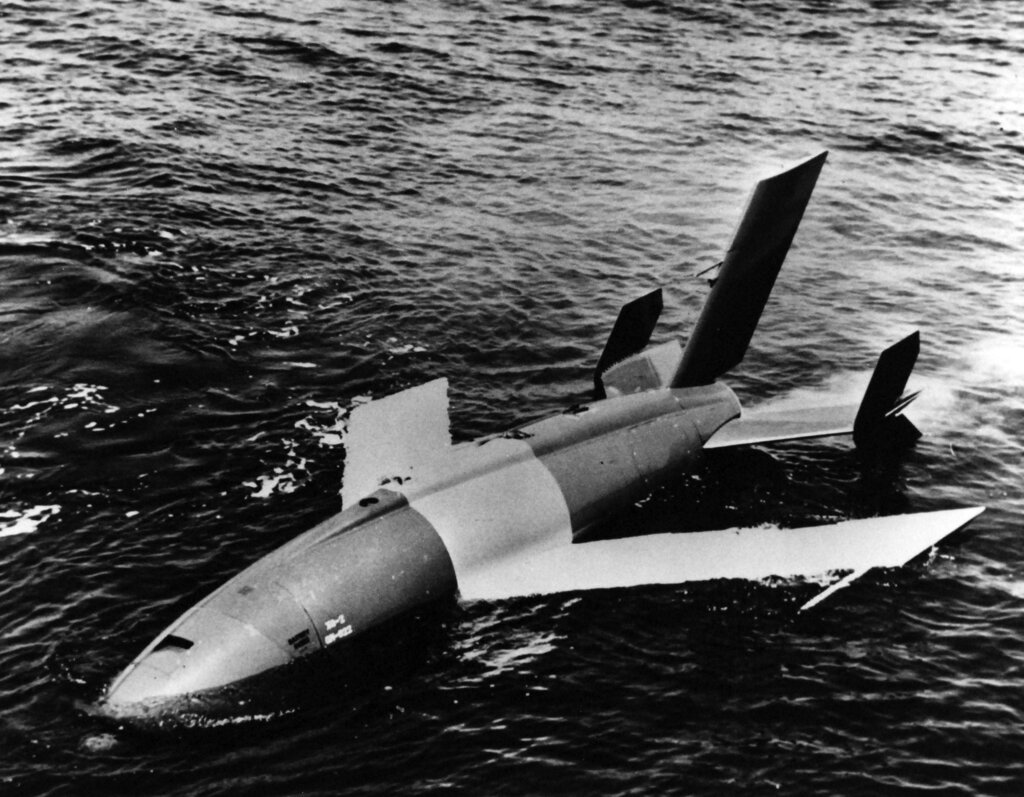
The major shift happened in the 21st century. The miniaturization of key components like GPS modules, processors, and high-quality cameras, driven by the smartphone revolution, made drones smaller, cheaper, and smarter. This convergence of technologies opened the door for consumer and commercial applications, transforming UAVs from niche military hardware into a globally accessible tool.
An Industry Takes Flight
The drone industry has experienced explosive growth over the last decade. What started as a hobbyist market has matured into a multi-billion dollar global industry. This expansion is fueled by continuous innovation and the discovery of new ways to use drones to save time, reduce costs, and improve safety across various sectors.
Market projections show this rapid growth continuing. The commercial sector, in particular, is expected to see the most significant expansion as more businesses integrate drones into their daily operations. This includes everything from small startups offering specialized mapping services to large corporations developing drone delivery networks.
Key Players and Applications
The drone industry is a dynamic ecosystem of hardware manufacturers, software developers, and service providers. On the manufacturing side, companies design and build the physical drones. Software companies create the operating systems, flight control software, and data processing platforms that make drones useful. Finally, service providers use drones to offer specialized services like aerial photography, site surveying, and infrastructure inspection.
While hundreds of companies populate this space, a few have emerged as market leaders, particularly in the consumer and prosumer segments. However, the commercial and military sectors are more fragmented, with many specialized players.
The applications for drone technology are incredibly diverse and continue to expand.
Here’s a look at how drones are making an impact in a few key sectors:
| Sector | Application |
|---|---|
| Agriculture | Crop monitoring, pest control, soil analysis, and precision spraying. |
| Logistics | Last-mile delivery of packages, medical supplies, and food. |
| Construction | Site surveying, progress tracking, and safety inspections. |
| Energy | Inspecting power lines, wind turbines, and solar farms. |
| Media | Aerial cinematography for films, news gathering, and live event coverage. |
| Public Safety | Search and rescue operations, accident scene mapping, and fire monitoring. |
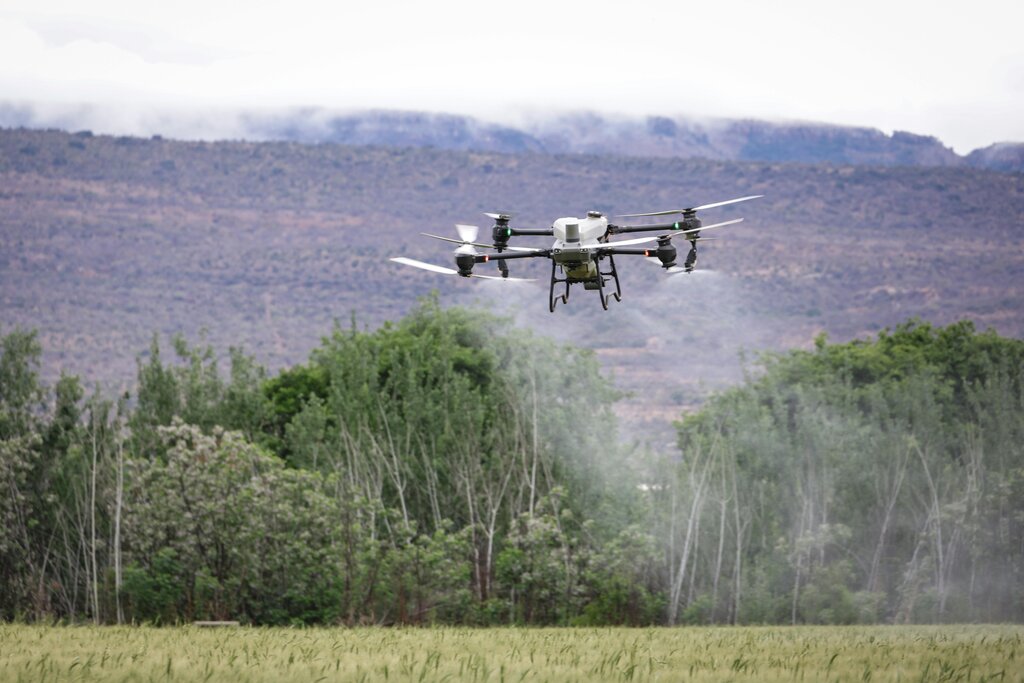
As the technology matures and regulations evolve, the list of applications will only grow, further integrating drones into our daily lives and economic activities.