Investing in Talent for Growth
Introduction to Talent Investment
What Is Talent Investment?
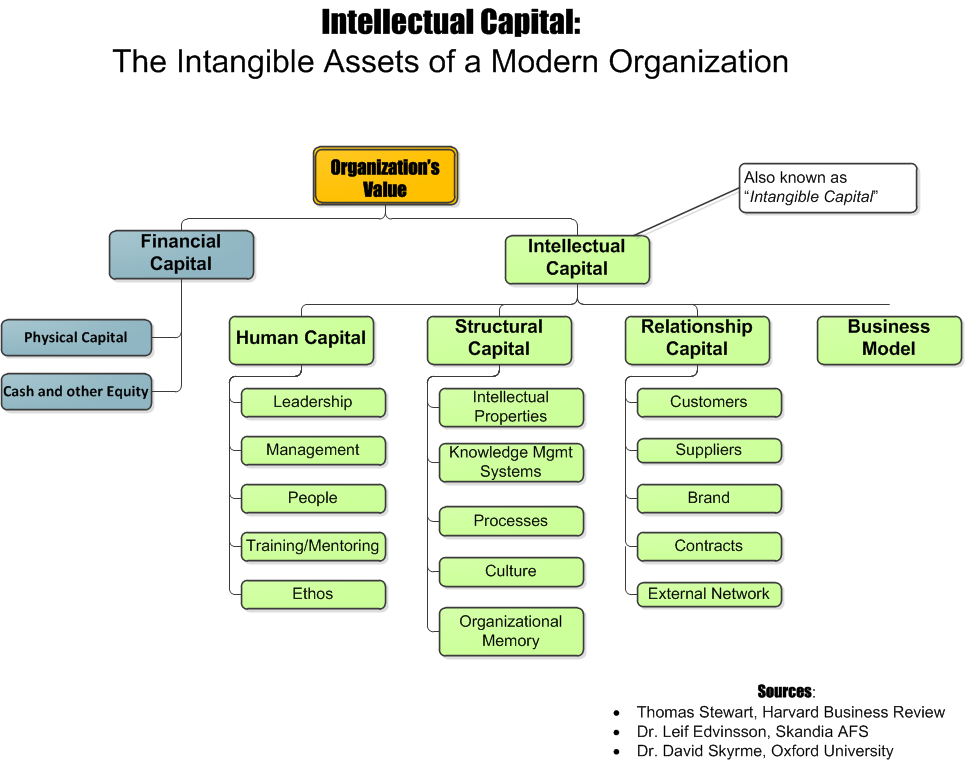
Think of a company's most valuable assets. You might picture buildings, machinery, or cash in the bank. But in today's economy, the most critical asset is often the people: their skills, creativity, and drive. Talent investment is the strategic process of putting resources into your employees to help them grow and succeed. It’s not just about training programs; it’s a mindset that treats employees as a portfolio of valuable assets that can appreciate over time.
Essentially, talent investment is about nurturing the human potential within an organization to achieve long-term goals. This means dedicating time, money, and effort to developing employees' abilities.
This goes far beyond an annual training budget. It involves creating a culture where learning is continuous, opportunities are clear, and every employee feels the company is invested in their personal and professional journey. When done right, this approach transforms the workplace.
Why It Matters Now
In a competitive market, what separates a good company from a great one is often its people. A business with a highly skilled, motivated, and engaged workforce can innovate faster, adapt to change more quickly, and deliver better service to its customers. Investing in talent is no longer a 'nice-to-have'—it's a strategic necessity.
Organizations that actively develop their employees build a powerful internal pipeline of leaders and experts. This reduces the need for costly and risky external hires for critical roles. It also creates a more stable and knowledgeable workforce, as employees who see a path for growth are more likely to stay with the company.
Investing in employee engagement and retention strategies.
Think of it this way: a company can have the best product in the world, but without the right people to build, market, and support it, that product will fail. The people are the engine, and talent investment is the high-quality fuel that keeps the engine running at peak performance.
The Ripple Effect of Investment
When companies invest in their people, the benefits extend far beyond individual skill development. It creates a positive ripple effect throughout the entire organization.
First, employee engagement skyrockets. People who feel valued and see opportunities for advancement are more likely to be emotionally connected to their work. They don't just show up; they contribute with passion and purpose. This heightened engagement translates directly into higher productivity. An engaged employee is focused, efficient, and proactive in solving problems.
This boost in productivity and engagement ultimately fuels better business performance. Companies with strong talent investment programs consistently outperform their competitors in profitability, customer satisfaction, and market share. They are more resilient during economic downturns and better positioned to seize new opportunities. The link is clear: investing in your people is one of the smartest financial decisions a business can make.
| Area of Impact | Direct Result of Talent Investment |
|---|---|
| Employee Engagement | Increased motivation, loyalty, and job satisfaction. |
| Productivity | Higher output, improved quality, and greater efficiency. |
| Innovation | More creative solutions and a proactive approach to challenges. |
| Business Performance | Higher revenue, better profitability, and stronger brand reputation. |
Now, let's review the key ideas we've covered.
Ready to check your understanding?
What is the primary view of employees in a company that practices talent investment?
True or False: According to the text, the main benefit of talent investment is simply having more skilled individuals in the company.
By viewing employees not as costs but as appreciating assets, organizations can build a foundation for sustainable, long-term success.