Investing in Stocks 2026
Introduction to Stocks
What Is a Stock?
Think of a company like a large pizza. If you buy a stock, you're buying a single slice of that pizza. You don't own the whole restaurant, but you do own a small piece of it. The more shares you buy, the more slices you have.
Stocks represent ownership in a company.
Companies sell these small pieces, or shares, to raise money. This money, called capital, helps them grow. They might use it to build new factories, develop new products, or expand into new markets. People who buy these shares are called shareholders or stockholders.
As a part-owner, a shareholder has a claim on the company's assets and a share of its profits. In the past, this ownership was represented by a physical paper called a stock certificate. Today, ownership is almost always recorded electronically.
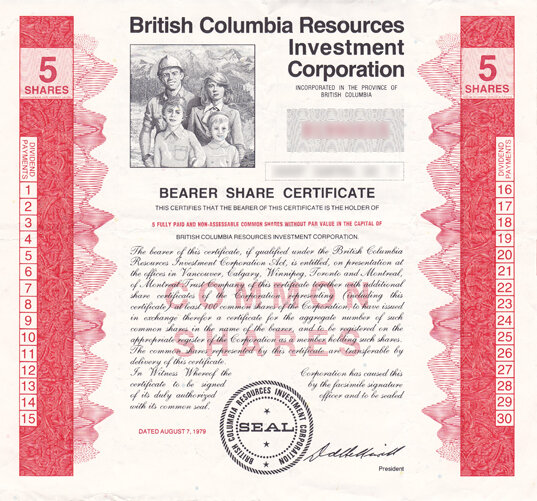
Two Main Flavors
Not all stocks are the same. They come in two main types: common and preferred. Think of it like booking a flight. Common stock is like an economy ticket, while preferred stock is more like first class. Both get you on the plane, but they come with different perks and rules.
Common Stock This is the type most people are familiar with. When you buy a common stock, you get voting rights. Typically, one share equals one vote. This means you can have a say in major company decisions, like electing the board of directors. Common stockholders may also receive dividends, which are portions of the company's profits, but these payments are not guaranteed.
Preferred Stock Preferred stock is a bit different. Owners of preferred stock usually don't have voting rights. However, they have a big advantage when it comes to dividends. They receive a fixed dividend payment at regular intervals, and they get paid before common stockholders. If a company faces financial trouble and has to liquidate, preferred shareholders are also higher up in the line to get their money back.
| Feature | Common Stock | Preferred Stock |
|---|---|---|
| Voting Rights | Yes | Typically no |
| Dividends | Variable; not guaranteed | Fixed; paid before common |
| Payout Priority | Paid after preferred stockholders | Paid before common stockholders |
| Growth Potential | Higher | Lower |
Where Stocks Are Traded
Stocks are bought and sold in a stock market. It's not a physical supermarket, but a network of exchanges where buyers and sellers come together. You've likely heard of major exchanges like the New York Stock Exchange (NYSE) or the Nasdaq.
These markets act as auction houses. The price of a stock at any moment is determined by supply and demand. If more people want to buy a stock than sell it, the price goes up. If more people want to sell than buy, the price goes down.
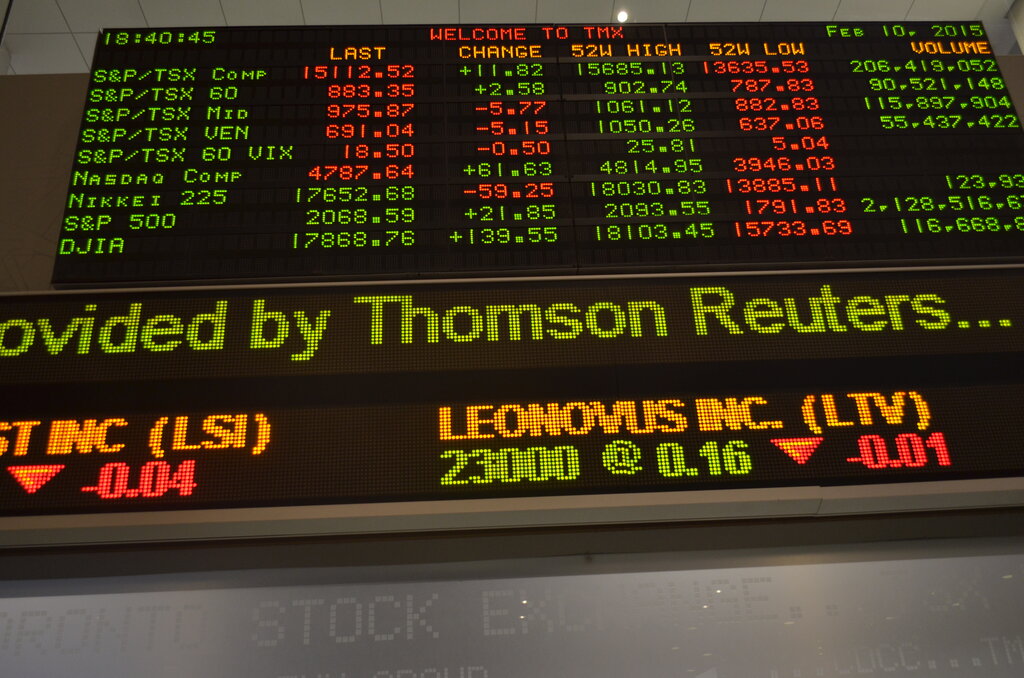
When a private company wants to sell shares to the public for the first time, it goes through a process called an Initial Public Offering (IPO). This is how a company gets listed on a stock exchange, making its shares available for anyone to trade.
The Bigger Picture
Stocks do more than just help individuals build wealth. They play a vital role in the economy.
By allowing companies to raise capital from a wide pool of investors, the stock market fuels innovation and economic growth. A successful company can create jobs, develop new technologies, and expand its operations, all of which benefits the broader economy. The stock market also serves as an important indicator of economic health. When stock prices are generally rising, it often signals confidence in the future of business and the economy as a whole.
In short, the stock market connects companies that need money with people who have money to invest. This flow of capital is a key engine of economic activity.
Now that you understand the basics, let's test your knowledge.
Owning a share of a company's stock is most analogous to:
What is the primary reason a company issues stock to the public?
Understanding these core concepts is the first step in your investment journey. They provide the foundation for everything that comes next.