Investing in Small and Medium Retail
Introduction to Retail Investing
The World of Retail Investing
When you think about investing, giant tech companies or global brands might come to mind. But opportunities are often closer to home. The retail industry, which involves selling goods and services directly to consumers, is a huge part of our economy. It's everything from the corner grocery store to the clothing shop at the local mall.
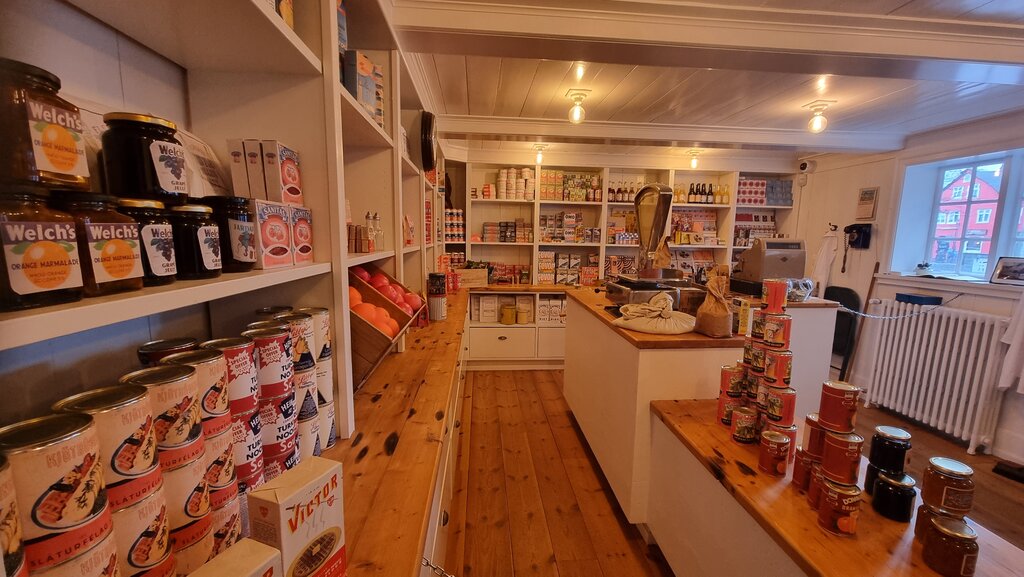
Within this massive sector are small and medium retail (SMR) companies. These aren't the multinational chains, but rather the smaller, often privately-owned businesses that form the fabric of our neighborhoods. They play a vital role by creating jobs, fostering local character, and catering to specific community needs.
Investing in SMRs means you're not just buying a piece of a company; you're often investing in a community's growth and vibrancy.
Potential and Pitfalls
So, what makes SMRs an interesting investment? One of the biggest draws is their potential for high growth. A small, successful company has much more room to expand than a corporate giant that's already saturated its market. Early investors in a company that grows from a single location to a regional favorite can see significant returns.
SMRs also tend to be more agile. They can adapt to changing customer tastes and local market conditions much faster than a large corporation with layers of bureaucracy. This flexibility allows them to innovate and build strong, loyal customer bases.
However, investing in SMRs isn't without its risks. These companies face intense competition from larger retailers and online giants. They are often more sensitive to economic downturns, as consumers may cut back on spending at smaller shops first.
Other challenges include:
- Scaling Issues: What works in one location may not work in another. Expanding a business requires significant capital and operational expertise.
- Management: A small company's success can be heavily reliant on its founder or a small management team. If they leave, the business could suffer.
- Changing Trends: Consumer preferences can shift quickly. SMRs must stay on top of trends in technology, marketing, and customer experience to remain relevant.
| Benefit | Challenge |
|---|---|
| High growth potential | Intense competition from larger players |
| Agile and adaptable to change | Sensitive to economic downturns |
| Strong connection to community | Difficulties with scaling and expansion |
| Can fill niche markets | Reliance on key individuals |
Understanding both the opportunities and the hurdles is the first step toward making smart investment decisions in the retail sector.
Check Your Knowledge
Let's see what you've learned about the basics of investing in small and medium retail.
What is considered the primary investment appeal of a small and medium retail (SMR) company compared to a large, established corporation?
Which of the following describes the challenge of 'Scaling Issues' for an SMR?
By understanding these fundamentals, you can better evaluate potential investments in the dynamic world of retail.