Investing in Riga Real Estate
Riga District Yields
Riga's Core Investment Zones
When analysing Riga's residential market for 2024-2025, investors are focusing on a few key districts, each with a distinct risk and reward profile. The historical centre, Centrs, offers a stable investment environment. Gross yields here typically range from 6.7% to 7.6%. These properties attract long-term tenants who value proximity to business and culture, ensuring consistent rental income.
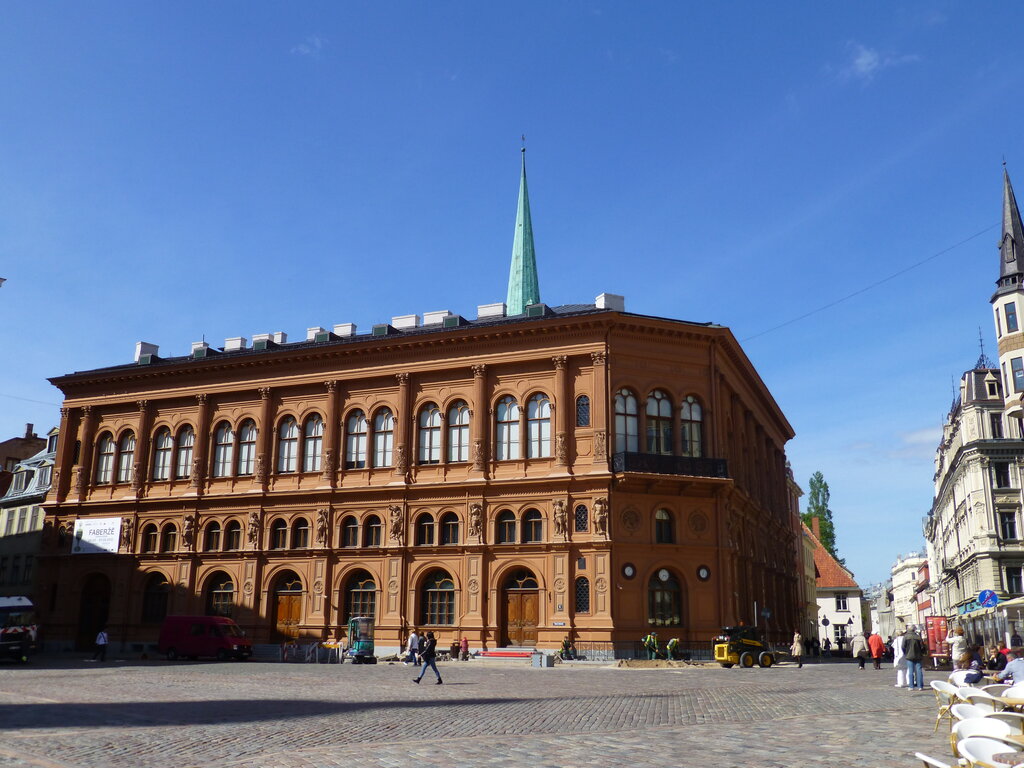
Just next door, the Old Town, or , presents a different picture. With its cobblestone streets and medieval architecture, it's the heart of Riga's tourism. This drives demand for short-term rentals, pushing potential yields as high as 9.8%. However, this comes with a significant caveat: acquisition costs are substantially higher, and managing tourist properties requires more hands-on effort. The building stock is also protected, which can complicate renovations.
For those seeking a more modern portfolio, is the city's up-and-coming business district. Once an area of industrial port lands, it's now home to new office buildings, conference centres, and contemporary apartment complexes. This district attracts a mix of international professionals and affluent locals, creating strong demand for premium rentals. While yields are comparable to Centrs, the newness of the buildings means lower maintenance costs and higher potential for capital appreciation as the area continues to develop.
Micro-Districts on the Rise
Beyond the city centre, several micro-districts offer compelling opportunities. These areas are prized for their high liquidity, meaning properties sell quickly due to strong local demand. Āgenskalns, located across the river, is a prime example. This leafy neighbourhood is undergoing significant gentrification, with property values seeing appreciation of 15-20% in recent years. It attracts families and young professionals looking for a community feel with good access to the city.
Other liquidity hotspots include Teika and Purvciems. Teika, known for its functionalist 1930s architecture, is a well-established residential area with stable demand. Purvciems is one of Riga's most populous districts, offering a large volume of Soviet-era apartment blocks. While lacking the charm of older districts, these apartments are affordable and consistently in demand from the local rental market, offering reliable, if not spectacular, returns.
Factors such as location, transport links, demand, and rental yields are crucial considerations when investing in residential properties.
The key is to align the neighbourhood's character with your investment strategy. Vecrīga is geared towards short-term, tourism-driven profitability, while districts like Āgenskalns and Centrs are better suited for long-term stability and capital growth.
| District | Typical Gross Yield | Acquisition Cost | Primary Tenant | Investment Profile |
|---|---|---|---|---|
| Vecrīga (Old Town) | Up to 9.8% | Very High | Tourists | Short-Term Rental |
| Centrs (Centre) | 6.7% - 7.6% | High | Professionals, Expats | Long-Term Stability |
| Skanste | 6.5% - 7.5% | High | Corporate, Affluent Locals | Capital Growth |
| Āgenskalns | 5.5% - 6.5% | Medium | Families, Young Professionals | Gentrification & Growth |
Market Trends and Future Catalysts
Across Riga, the average market price for a standard, non-renovated Soviet-era apartment currently sits in the €865 to €900 per square metre range. Renovated properties in desirable districts command significantly higher prices. This entry point remains attractive compared to other European capitals.
Looking ahead, the single largest catalyst for property values is the project. This massive infrastructure undertaking will integrate Riga into the European standard gauge rail network, connecting it with Helsinki, Tallinn, Kaunas, Warsaw, and Berlin. The new central station and the line's route will dramatically improve connectivity for several districts.
Districts adjacent to the new central hub and along the railway line are poised for significant appreciation. Investors are already factoring this into their long-term strategies, acquiring properties in areas that will benefit most from the reduced travel times and increased economic activity the project will bring.
An investor wants to focus on short-term holiday lets to maximise yield, and is prepared for higher acquisition costs and hands-on management. Which district is the most suitable for this strategy?
What is the single largest infrastructure project expected to catalyse property value appreciation across Riga?