Investing in Gold ETFs
Introduction to Gold ETFs
A Simpler Way to Own Gold
Owning gold doesn't always mean having bars or coins stashed away. There's a more modern approach: Gold Exchange-Traded Funds, or ETFs. Think of an ETF as a basket of investments that trades on a stock exchange, just like a single stock. A Gold ETF is a special kind of basket that contains just one thing: gold.
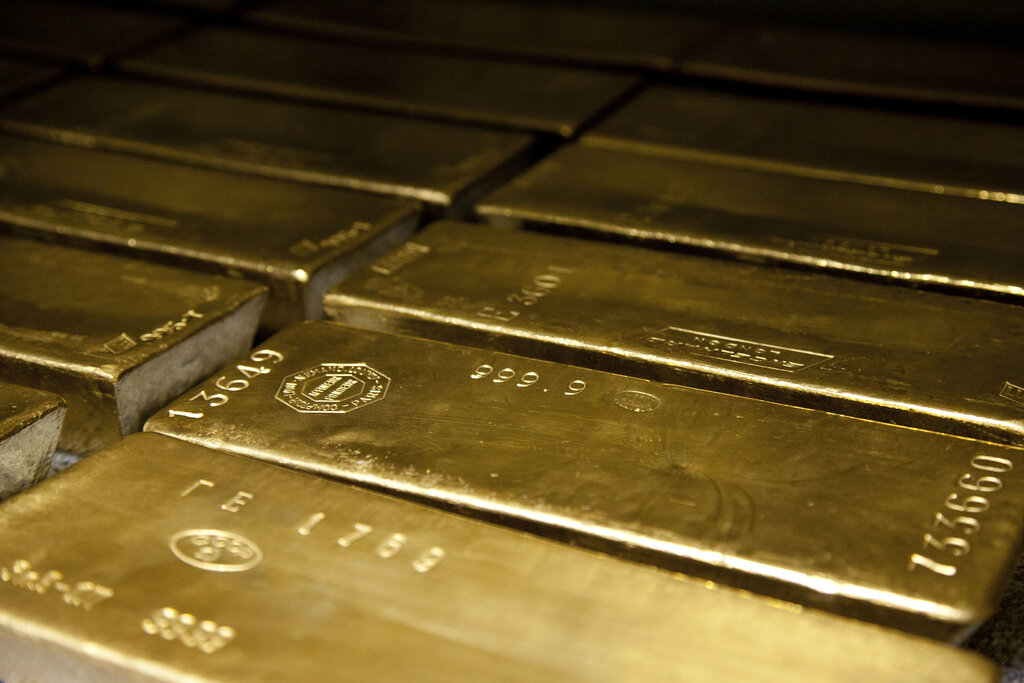
When you buy a share of a physically-backed Gold ETF, you are buying a small slice of a massive pile of real, physical gold bullion. The company that runs the ETF buys and stores the gold in a high-security vault. Then, it issues shares that track the value of that gold. As the market price of gold moves, the price of your ETF share moves right along with it.
How It Compares to Physical Gold
Holding a gold coin in your hand is a unique feeling, but it comes with challenges. You have to think about where to store it safely, how to insure it, and how to sell it when the time comes. You also often pay a premium over the actual gold value when you buy physical items.
Gold ETFs were created to solve these problems. Instead of owning the metal directly, you own shares in a fund that handles all the logistics for you. This makes investing in gold as simple as buying a share of any other company.
| Feature | Physical Gold | Gold ETF |
|---|---|---|
| Ownership | Direct, physical possession | Indirect, through shares |
| Storage | Your responsibility (safe, vault) | Handled by the fund |
| Insurance | Your responsibility | Handled by the fund |
| Buying/Selling | Through dealers, can be slow | Instantly on a stock exchange |
| Minimum Investment | Price of one coin or bar | Price of one share |
The Main Advantages
The biggest benefits of Gold ETFs come down to convenience and cost. You can buy or sell your shares anytime the stock market is open, giving you much more flexibility than trying to find a dealer for physical gold. This is often called liquidity.
An ETF provides a way to own a set of investments relatively easily and cheaply.
The costs are also typically lower. With an ETF, you avoid the fabrication costs, dealer markups, shipping fees, and storage expenses that come with physical bullion. Instead, you pay a small annual management fee to the fund, which is usually a tiny percentage of your investment.
Finally, ETFs make gold accessible to almost anyone. You don't need thousands of dollars to buy a full ounce of gold. You can start by buying just a single share, which might only cost a fraction of that.
Let's check your understanding of these key concepts.
What does a share of a physically-backed Gold ETF represent?
Which of the following is a key advantage of Gold ETFs over physical gold?
By turning gold into a security that trades on an exchange, Gold ETFs offer a straightforward way to add the precious metal to an investment portfolio without the practical hassles of direct ownership.